 Intellect Plus
Earth science basics
64 cards. Each one is a 40-second story with a five-minute read behind it.
 How did Earth survive the violent chaos of its own birth?The early solar system was a landscape of destruction, featuring gas giants and a volatile young sun. This documentary uses data-driven CGI to trace the perilous journey of our pl…
 The silent roamers of our solar system could reshape Earth's historyAsteroids have spent billions of years moving through space, occasionally crossing paths with our planet. This documentary explores the catastrophic legacy of past impacts and the…
 Why energy production is fundamentally at odds with the environmentEnergy often feels like a human industrial feat separate from nature. This video explains why that perspective is flawed, exploring how our reliance on extraction and infrastructu…
 Climate is not a static state but a constant motionWe often speak of climate change as a sudden shift, yet the Earth's atmosphere is actually in a state of perpetual flux. From daily cycles to geologic epochs, climate is defined b…
 The hidden geological engine driving our planet's surfaceExplore what lies three miles beneath our feet. This documentary reveals the massive geological processes that shape our world, from moving entire continents to triggering devasta…
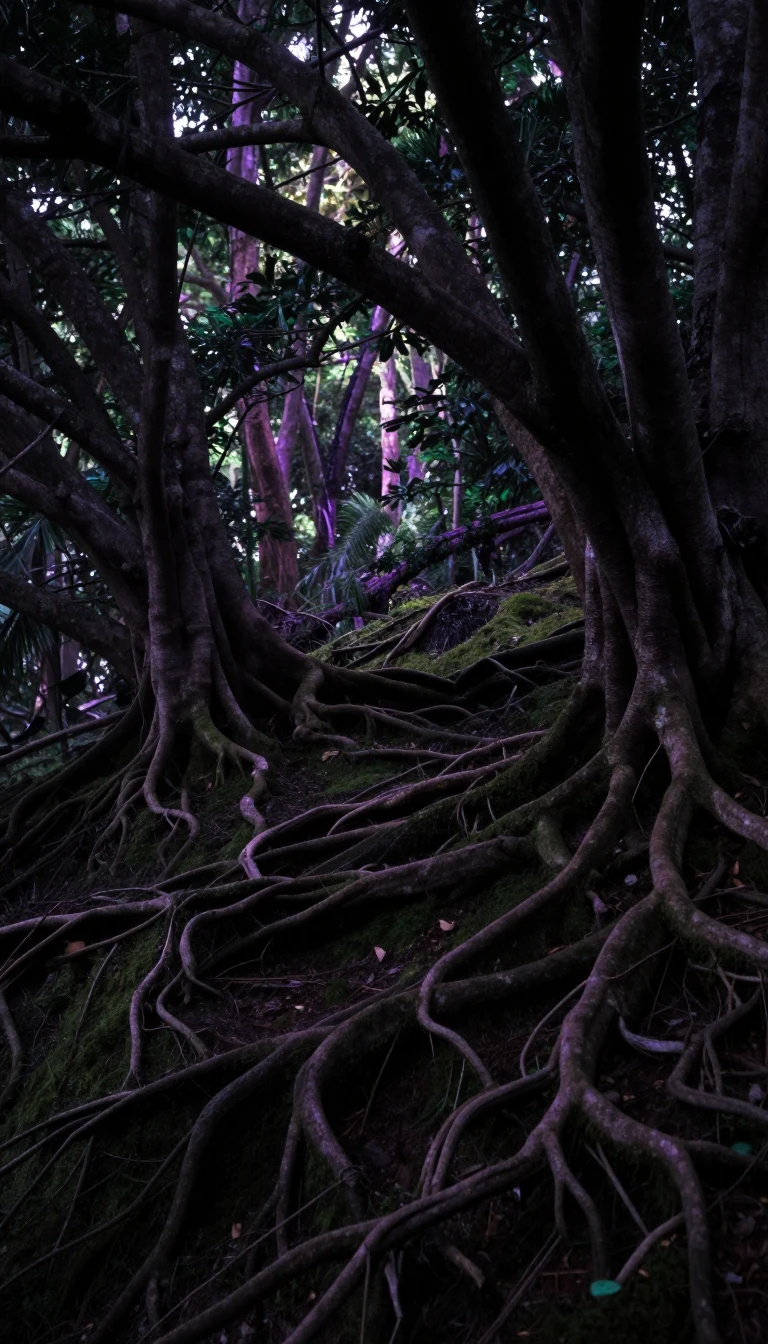 Why the world's highest mountain peaks remain stubbornly treeless despite their proximity to lifeAlpine tundra is a high-altitude biome where trees simply cannot survive. Driven by thin air, fierce winds, and short growing seasons, this landscape forces life to hug the ground…
 Life on Earth depends on a constant, invisible recycling of essential chemical elements.Every atom in your body has traveled through a vast, ancient network. Biogeochemical cycles are the natural pathways that circulate elements between the living biosphere and the n…
- The calcium cycle is the hidden thread connecting Earth's geology to your own heartbeat.Calcium is more than just a building block for bones. It is a global traveler, moving between rocks, oceans, and living cells. This continuous cycle sustains everything from the s…
 The carbon cycle is the heartbeat of Earth, recycling life's essential building block constantly.Carbon is the fundamental constituent of all organic life, circulating endlessly between the atmosphere, oceans, soil, and deep geologic formations. While natural processes mainta…
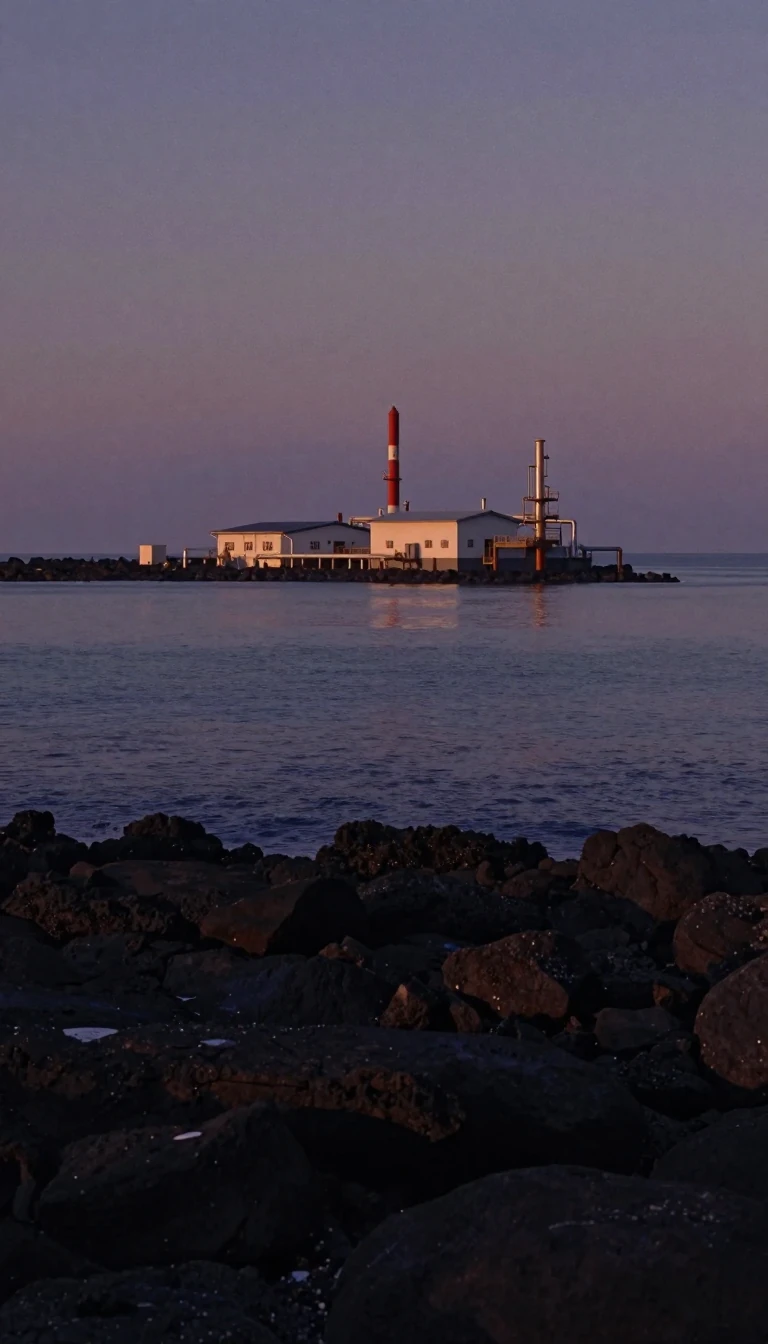 To cool the planet, we must master the art of locking carbon undergroundCarbon sequestration is the essential process of capturing atmospheric carbon dioxide and securing it in solid or dissolved forms. By mimicking nature or employing advanced techno…
 Chaparral is a resilient, fire-dependent shrubland that thrives in Mediterranean climates across the globe.Chaparral is more than just brush; it is a highly specialized, biodiverse ecosystem defined by leathery, evergreen leaves and a complex relationship with fire. Found in regions wi…
- Why your smartphone might be funding a brutal, multi-decade war in the CongoThe Democratic Republic of the Congo holds an estimated $24 trillion in mineral wealth, yet its people remain trapped in a cycle of violence. From smartphones to jet engines, the …
 Life in the deep sea thrives in darkness, fueled by chemicals rather than sunlightBelow 200 meters, the ocean transforms into a realm of extreme pressure and perpetual night. While once thought to be a barren wasteland, the deep sea is a vibrant frontier. Here,…
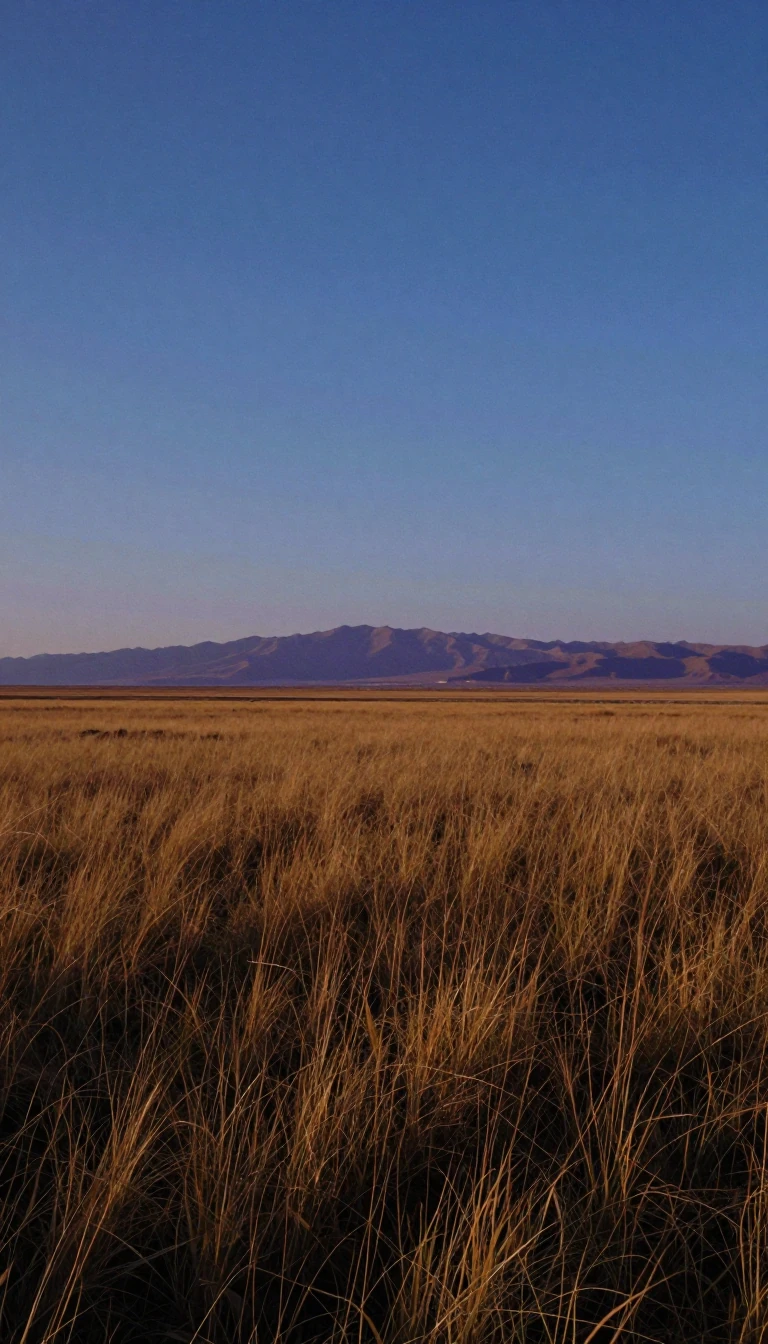 Why the world’s largest biome is far more than just endless shifting sandCovering nearly one-fifth of our planet, deserts and xeric shrublands are defined by extreme dryness rather than heat alone. While we often imagine scorching dunes, this vast biom…
- Drylands cover nearly half the planet, yet they remain largely ignored by global conservation.Spanning roughly 42% of Earth's terrestrial surface, drylands sustain a third of the human population and harbor unique, endemic biodiversity. Despite their ecological importance,…
 How did a chaotic, molten rock become the only known home for life?Earth began 4.6 billion years ago as a violent, meteorite-pelted landscape. Yet, within a few hundred million years, life emerged from the cooling oceans. From electrical sparks i…
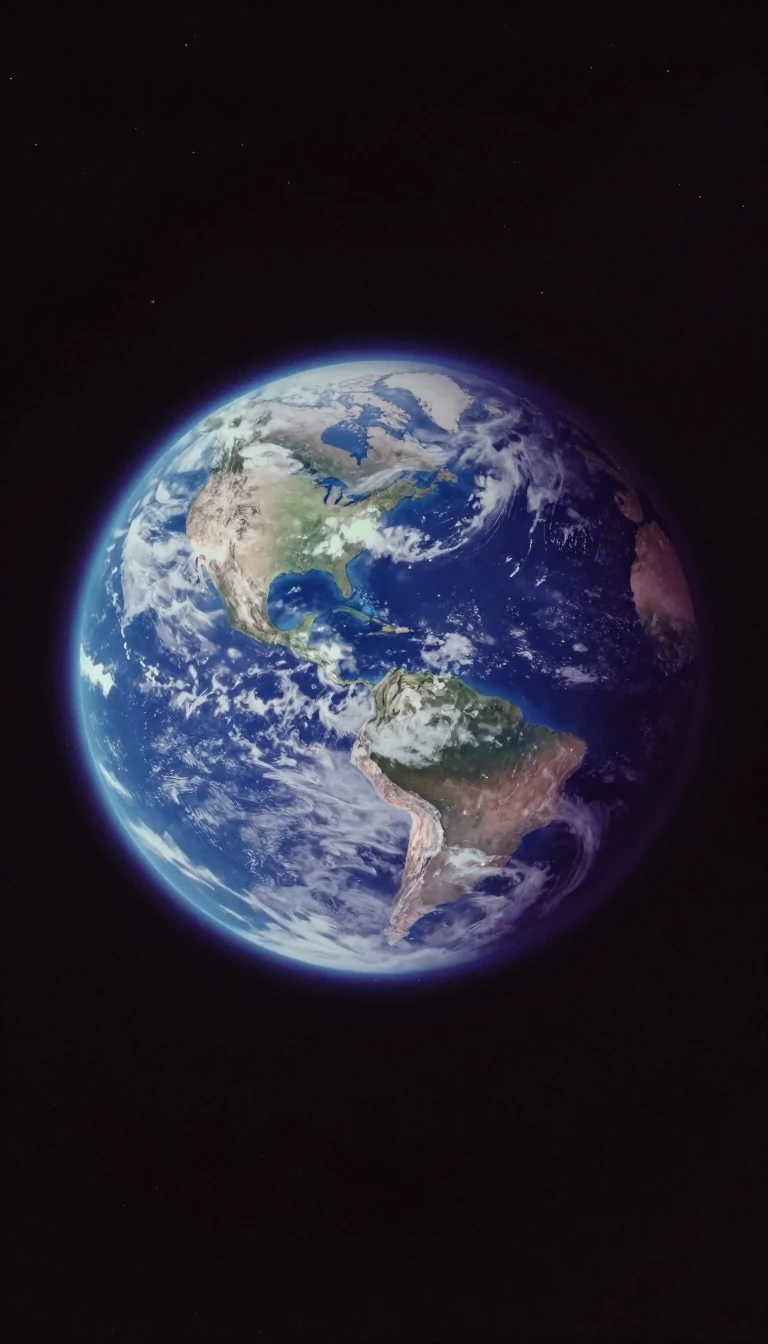 Why the Earth is not a sphere and how we measure its true shapeEarth is not a perfect sphere but an oblate spheroid, bulging at the equator due to its rotation. Geodesists use mathematical models called reference ellipsoids to map this shape.…
 Why industrial expansion triggers thousands of local battles over land and resources worldwideEnvironmental conflicts arise when industrial growth clashes with local livelihoods. From mining to deforestation, these struggles pit communities against corporations over the un…
 Humanity has altered 70% of Earth's land, triggering a sixth mass extinction event.Environmental degradation is more than just pollution; it is the systematic reduction of nature's capacity to support life. From the loss of 68% of vertebrate wildlife since 1970 …
 Why do marginalized communities often bear the heaviest burden of environmental pollution and hazards?Environmental justice reveals that the location of landfills, toxic waste, and industrial hazards is rarely random. Instead, it is often tied to race, income, and social power. Th…
 How organizations translate global climate urgency into measurable, site-specific operational changeEnvironmental policy is more than a pledge; it is a framework for managing human impact on the biophysical world. By linking organizational operations to global goals, entities li…
 Environmental management is not about fixing nature, but managing how humans interact with it.We often mistake environmental management for the task of controlling the natural world. In reality, it is the study of human impact on ecosystems. To secure a sustainable future,…
 Beyond the Lab: Why Environmental Science Degrees Lead to Surprisingly Diverse Career PathsAn environmental science degree offers more than just fieldwork. While many graduates tackle climate change and ecosystem protection, the interdisciplinary nature of the field pre…
- Why does the ancient idea of a flat Earth persist in the digital age?For centuries, humanity viewed the world as a flat disk, a perception reinforced by the horizon's appearance and the movement of celestial bodies. While empirical science long ago…
- Why the world's most productive wetlands are actually vast, seasonal flooded grasslandsFlooded grasslands and savannas are not merely swamps; they are dynamic, life-sustaining biomes that span four continents. These massive, water-dependent ecosystems function as cr…
 How a simple swinging weight proved the Earth is spinning beneath our feetIn 1851, Léon Foucault invited scientists to witness the Earth turn. By suspending a heavy iron ball from a long wire, he created a pendulum that traced a shifting path, providing…
 Freshwater ecosystems are in crisis, with extinction rates far outpacing those of land animals.Freshwater habitats hold 41% of known fish species, yet they are vanishing at an alarming speed. Between 1970 and 2014, populations of freshwater vertebrates plummeted by 83%. Fro…
 Why South Africa's Fynbos is the World's Smallest and Richest Floral KingdomCovering only 6% of southern Africa, the fynbos is a botanical powerhouse. It hosts over 9,000 plant species, nearly 6,200 of which are found nowhere else on Earth. This tiny coas…
 Why these small clusters of trees are far more than just pretty sceneryA grove is more than a simple collection of trees. Historically, these small, open-canopy woodlands have served as sacred sanctuaries, agricultural hubs, and vital biodiversity ho…
 The heath is more than just a shrub; it is a global biodiversity powerhouse.While often dismissed as simple, low-growing vegetation, the heath genus Erica encompasses 800 species of resilient shrubs. From the fynbos of South Africa to the rugged landscape…
 When nature and humanity collide, who pays the price for our shared space?Human-wildlife conflict is a global phenomenon where animal behavior clashes with human goals, causing damage to crops, livestock, and infrastructure. As human populations expand …
- Underwater towers of algae: why kelp forests are the ocean's most productive neighborhoodsKelp forests are not plants, yet they grow like terrestrial forests, reaching toward the sun in cool, nutrient-rich coastal waters. These dynamic ecosystems support a staggering d…
 Lakes are not just static pools but complex, breathing ecosystems with their own internal weather.A lake is a dynamic, stratified world where light, temperature, and depth dictate life. From the sun-drenched littoral shallows to the dark, oxygen-starved profundal depths, these…
- Why the way we use land is the silent architect of our global climateLand use is more than just property lines; it is the economic and cultural engine shaping our environment. From urban heat islands to the spread of infectious disease, human choic…
 The ocean covers most of our planet, yet we are rapidly dismantling its life-support systems.Marine ecosystems account for over 90% of Earth's habitable space and regulate our global climate. Despite their immense value, human activity—from overfishing to coastal developm…
 The ocean is not just a vast void; it is a dynamic, shifting mosaic.Marine habitats are far more than static underwater landscapes. From the sun-drenched continental shelves to the ephemeral, current-driven corridors of the open sea, these environ…
 Why these tiny, fire-prone landscapes hold a massive share of Earth's biodiversityCovering barely 2% of the planet's land surface, Mediterranean-climate regions are biological powerhouses, hosting over 20% of all known species. These landscapes, defined by thei…
- Why mountain slopes act like a time machine for the planet's diverse ecosystemsMountains are vertical laboratories where climate shifts rapidly with every step. Climbing just 100 meters can mimic traveling 80 kilometers toward the poles. This stratification …
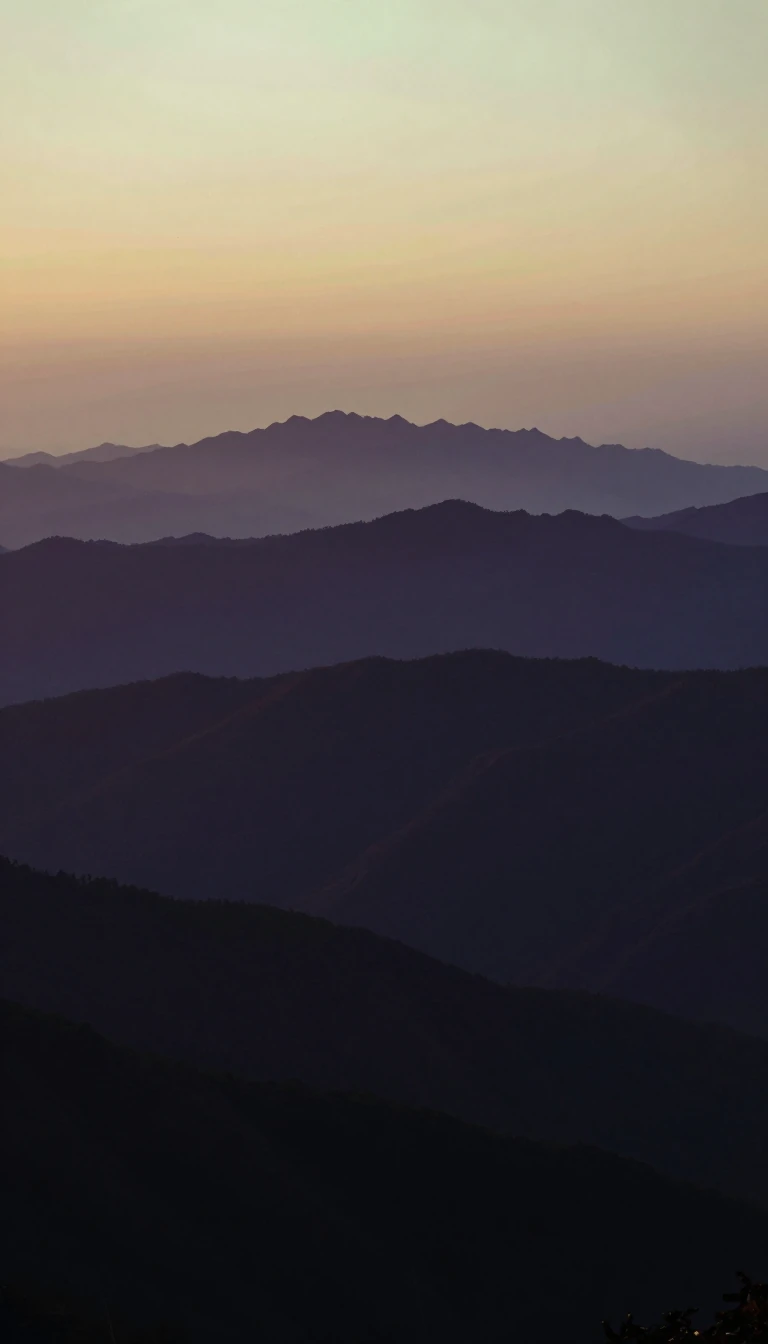 Why the UK's highest mountain summits are home to rare, wind-sculpted botanical staircasesAbove 750 meters, the UK’s high mountain summits host a rare, near-natural habitat defined by extreme exposure and shifting snow. These siliceous grasslands are not merely patches…
 Why the ocean's shallowest fringe is the engine room for all marine lifeThe neritic zone, a narrow band stretching from the shoreline to the continental shelf's edge, is the ocean's most productive region. While it represents only a fraction of the se…
 The mysterious life forms thriving at the thin, invisible interface of our planet's waters.Neuston are organisms that dwell precisely at the air-water interface, either riding the surface film or clinging to its underside. While often overshadowed by their drifting plan…
- Human activity has more than doubled the annual transfer of nitrogen into biological forms.Nitrogen is the silent engine of life, yet most of it remains locked away in our atmosphere. While natural processes like lightning and bacterial fixation once governed its flow, …
 The ocean surface is not just water; it is a vital, living skin connecting worlds.The ocean surface is a unique, sun-drenched boundary layer teeming with neuston—organisms that swim or float at the interface of air and water. This thin, critical habitat acts as…
 Why rational individual choices often lead to the total destruction of shared natural resources.When individuals act in their own self-interest to harvest common resources, they often trigger a collective collapse. This phenomenon, known as the tragedy of the commons, explai…
- Are we winning a war against the ocean that we cannot afford to win?For decades, industrial fishing has treated the sea as an inexhaustible pantry. By deploying sophisticated technology to extract marine life faster than it can replenish, we have …
 The vast majority of Earth's oxygen is locked away beneath your very feetWhile we rely on the air to breathe, the atmosphere holds less than 0.05 percent of the planet's total oxygen. Nearly all of Earth's oxygen is actually trapped within the minerals…
- England’s largest carbon store is hidden in plain sight beneath our feetPeatlands are vital national assets that filter water, prevent floods, and capture carbon. Yet, most of England’s peat is in poor condition, often drained or covered by dry-land v…
- Phosphorus is the silent architect of life, yet it moves at a glacial pace.Unlike carbon or nitrogen, phosphorus rarely enters the atmosphere. It is a stubborn, earthbound element essential for your DNA, bones, and energy storage. Because its natural cyc…
- Rivers are not just passive pipes, they are the world's most active carbon reactors.For decades, scientists viewed rivers merely as conduits carrying water to the sea. Today, we know they are complex metabolic engines. These ecosystems actively process organic an…
 How a Scottish mountain helped scientists weigh the entire planet in 1774In 1774, the Royal Society sent the Astronomer Royal to a remote peak in Perthshire to conduct an experiment of attraction. By measuring how a mountain pulled a plumb line, they a…
- The ocean's skin is a massive, living chemical reactor covering most of our planet.Spanning 70% of Earth's surface, the sea surface microlayer is far more than just water. This thin, biofilm-rich interface acts as a global gatekeeper, regulating how the ocean an…
- Hidden underwater prairies are essential to our planet's climate and marine healthSeagrass meadows are not seaweed; they are true flowering plants that thrive in shallow coastal waters across every continent except Antarctica. These dense underwater ecosystems …
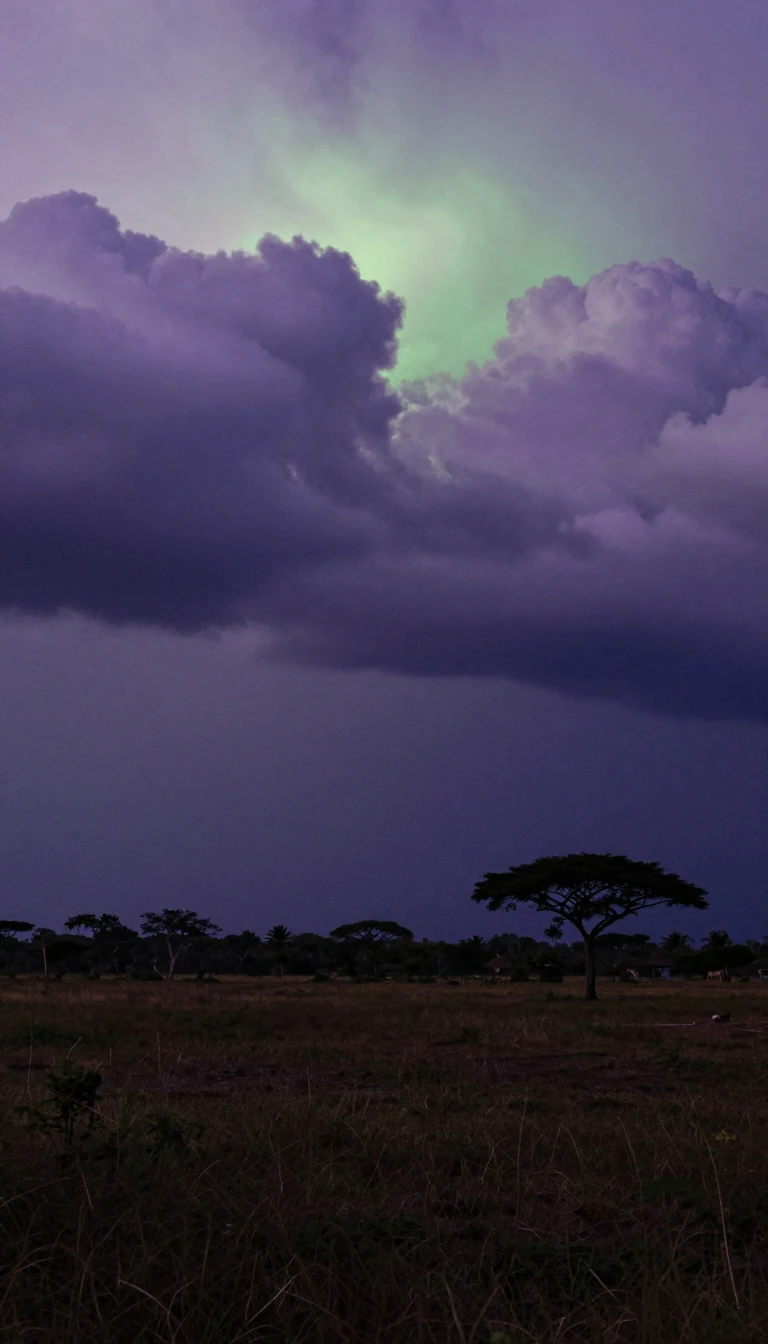 Why some tropical forests shed their leaves while others remain lush and greenUnlike the evergreen rainforests that stay perpetually verdant, seasonal tropical forests operate on a rhythmic pulse. Driven by the shifting Intertropical Convergence Zone, these…
 Sulfur is the silent engine driving life, decay, and the chemistry of our planet.Sulfur is essential to all living matter, acting as a vital component of proteins and amino acids. Beyond biology, this element cycles through Earth's soil, water, and atmosphere,…
- Why do temperate deciduous forests transform their appearance so dramatically every single year?Temperate deciduous forests are defined by their rhythmic, four-season cycle. As temperatures drop and daylight wanes, these ecosystems undergo a profound transformation, with tre…
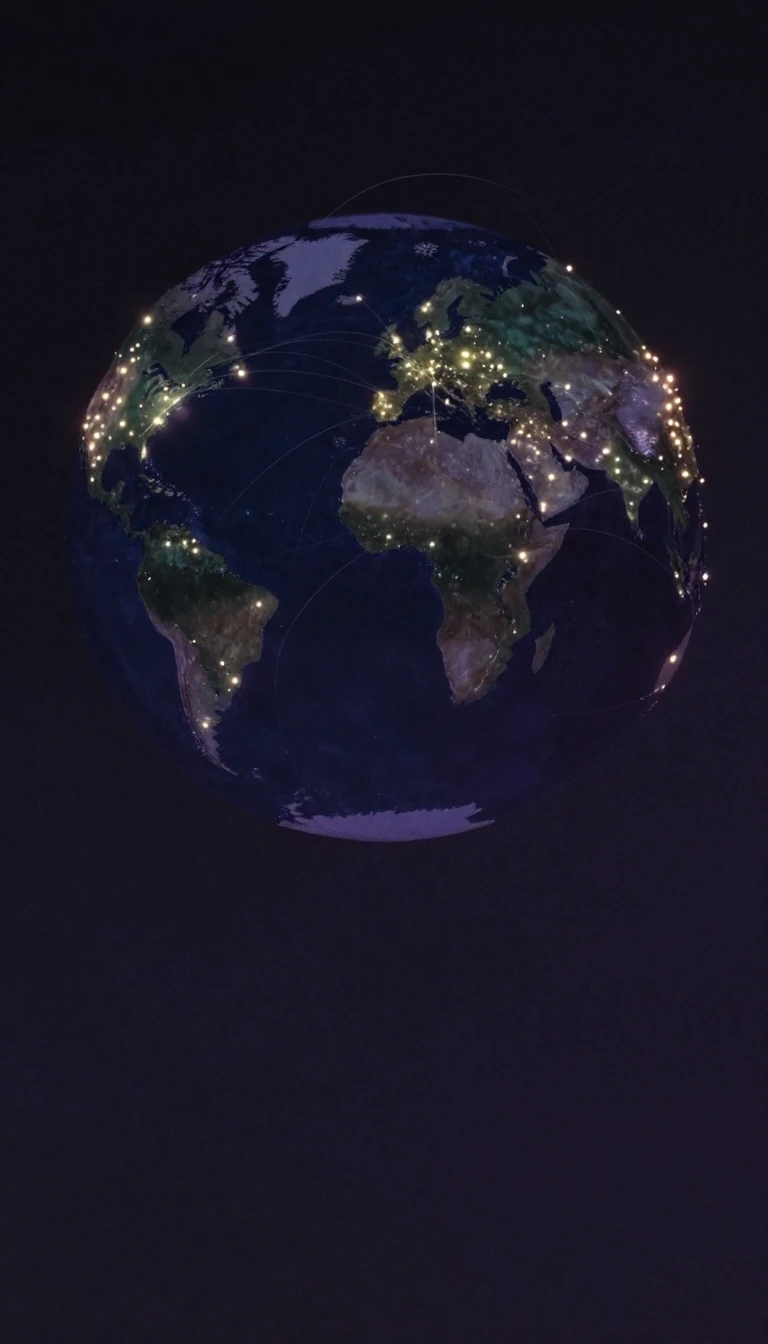 Temperate forests are resilient survivors of a 65-million-year climate cooling trendSpanning 10 million square kilometers, temperate forests are not just collections of trees but dynamic ecosystems shaped by deep history. From the Cenozoic Era to the modern day, …
- Why the world's most productive grain belts were once vast, wild, roaming frontiersTemperate grasslands, savannas, and shrublands are defined by their vast, tree-devoid expanses and temperate climates. Known globally as prairies, pampas, veld, or steppes, these …
- The invisible boundary in our oceans that can hide submarines and trap heatBeneath the surface of the ocean lies a hidden, shifting layer where temperatures drop rapidly. This thermocline acts as a physical barrier, influencing everything from the moveme…
- Why these forests shed their leaves to survive months of intense seasonal droughtTropical and subtropical dry broadleaf forests are defined by their dramatic seasonal shifts. While they remain warm year-round, they endure months of drought that force trees to …
- Why do some of the world's most iconic landscapes struggle to grow trees?Tropical grasslands, savannas, and shrublands cover vast regions across nearly every continent, yet they remain defined by a delicate balance of water and light. While these areas…