Can Mediterranean hurricanes truly exist, or are they just tropical-like imposters?
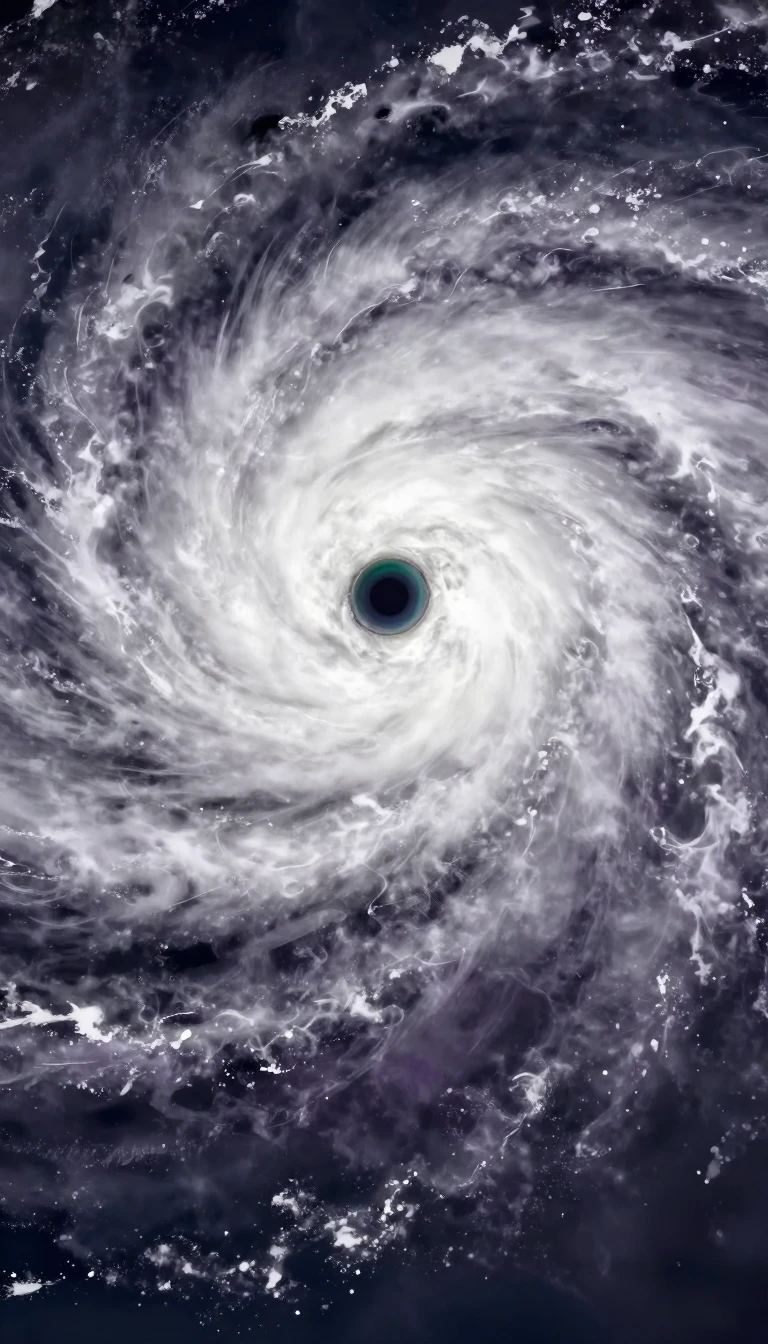
In short: Mediterranean tropical-like cyclones, or medicanes, are rare, intense storms that mimic the structure of tropical hurricanes. While they lack an official monitoring agency, these systems can produce life-threatening flash floods and destructive winds. Understanding their unique formation reveals a complex interplay between mountain geography, cold air, and sea heat.
Medicanes are mesoscale cyclones that develop over the Mediterranean Sea, characterized by a warm core and a symmetric eye surrounded by spiral cloud bands. Unlike Atlantic hurricanes, which rely on high sea surface temperatures, medicanes often form in cooler waters, typically between 15 and 26 °C. Their development is primarily driven by incursions of cold air that induce atmospheric instability, often originating from cut-off cold-core lows in the upper troposphere. Because the Mediterranean is geographically confined, these storms are generally smaller than 300 km in diameter and rarely persist for more than a few days.
The classification of these storms remains contentious. No single agency is officially responsible for monitoring or naming them, leading to inconsistent definitions. The Hellenic National Meteorological Service (HNMS) often uses the presence of a cyclonic eye as a primary criterion, but this feature frequently appears only at peak intensity, making it an unreliable tool for early warnings. Other proposals, such as those from the German Deutscher Wetterdienst (DWD), suggest lower wind speed thresholds—112 km/h—to account for the broader wind fields typical of Mediterranean systems compared to their Atlantic counterparts.
The impact of these storms can be catastrophic. In September 1969, a severe medicane caused flooding that killed nearly 600 people and left 250,000 homeless across North Africa. While global warming has increased Mediterranean sea surface temperatures by 0.6 to 1 °C over recent decades, researchers have not yet observed a definitive trend in medicane frequency. However, computer models suggest that while total cyclonic activity might decline by the end of the 21st century, the proportion of storms reaching higher intensities could increase, potentially leading to more powerful systems in the autumn months.
To standardize the field, a 2025 paper by European experts aimed to reconcile these disparate criteria. By defining a medicane as a system with a warm core extending into the upper troposphere and a nearly windless center, researchers hope to provide a consistent framework for future operational services. This shift is crucial, as the primary hazard posed by these storms is not just wind, but the torrential rains that can cripple local infrastructure and economies.
Opens the Intellect+ feed with this card first. Swipe up for the next one.
Sources
- Summary by Intellect · source: Mediterranean tropical-like cyclone
To cite this card, link to https://intellectplus.co.uk/app/nature-mediterranean-tropical-like-cyclone.
How we source, check and correct cards: Editorial standards.
General information, not professional advice. Spotted an error? Flag the card or see corrections and complaints.
Intellect Plus is a visual educational discovery platform for exploring fascinating facts and ideas. Brain Food, Not Brain Rot. What is Intellect Plus?
Related
More in Earth science · More in Nature · Latest · A–Z · All topics
