European windstorms are the world's second-largest source of natural catastrophe insurance loss
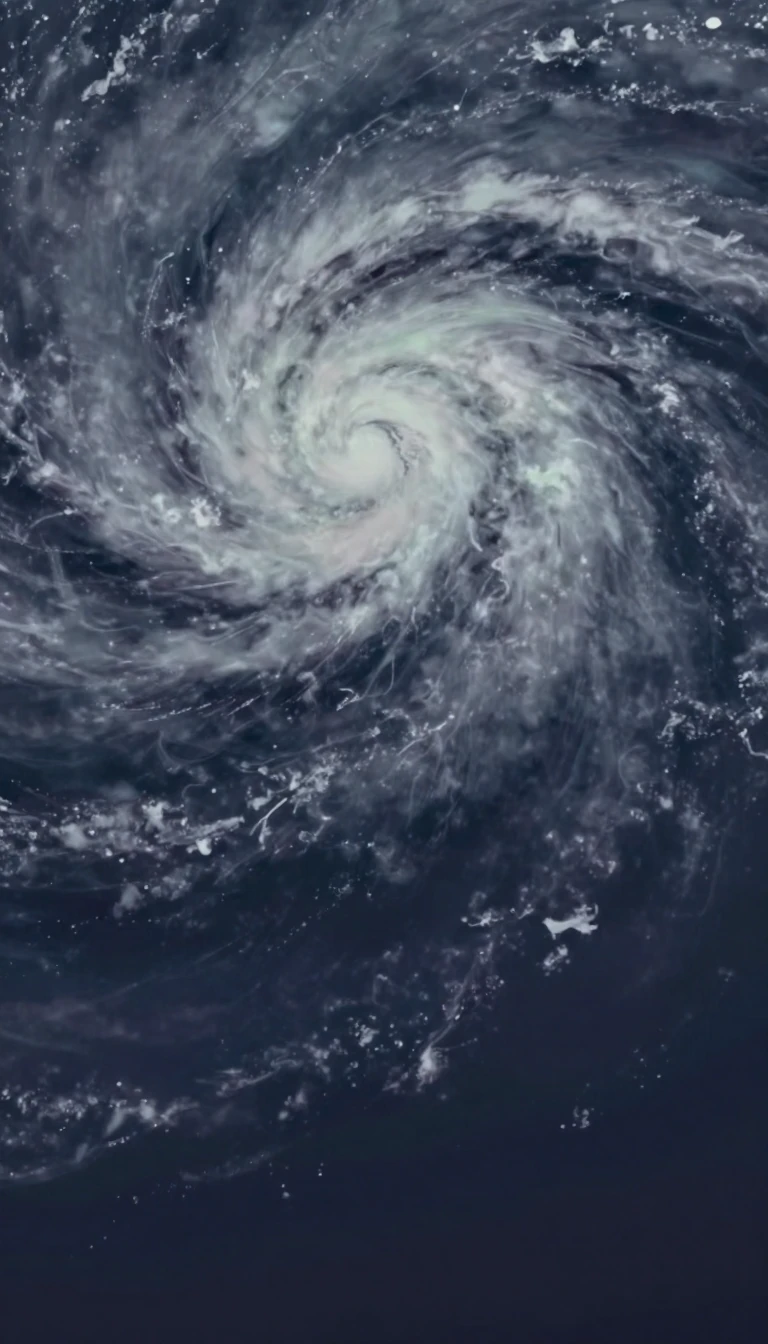
In short: While hurricanes often dominate the headlines, the powerful extratropical cyclones sweeping across Europe carry a staggering economic weight. These storms are so destructive that their annual insurance losses are surpassed globally only by Atlantic hurricanes in the United States.
European windstorms are extratropical cyclones that typically form in the North Atlantic. While they occur year-round, they peak in intensity during the winter months between October and March. Their impact is heavily dictated by their track; storms moving toward the north of Scotland and the Norwegian Sea often minimize inland damage, but a more southerly track can unleash severe weather across Central, Northern, and Western Europe. Most frequent casualties occur within Iceland, Germany, the Faroe Islands, Norway, the Netherlands, Ireland, and the United Kingdom.
These storms involve intricate mechanics divided into three main types: the "sting jet," the "cold jet," and the "warm jet," differing in duration, predictability, and atmospheric structure. A significant driver of their frequency and intensity is the North Atlantic Oscillation (NAO). During positive NAO phases, larger areas of suitable growth conditions lead to an enhanced number of storms. A reciprocal link exists: the NAO state impacts how cyclones develop, yet these cyclones also significantly steer the NAO phase. Total losses are heavily tied to this oscillation, with fluctuations of 10–15% occurring across every return period.
The economic stakes are immense. Between 1990 and 1998, these storms caused an average of €1.9 billion in annual economic damage and €1.4 billion in insurance losses. Certain instances prove more expensive than large-scale flooding; for instance, the 2007 United Kingdom floods were surpassed in cost by Cyclone Kyrill in 2007. Beyond direct damage, these storms can cripple infrastructure. In 2005, Cyclone Gudrun caused Sweden to lose 25% of its total power capacity when nuclear plants were shut down, and the 1998 Boxing Day Storm even forced a reactor shutdown at Hunterston B, briefly leaving it without forced cooling for about 30 minutes.
Naming these events is a matter of both science and culture. While the term "hurricane" is technically reserved for tropical cyclones, it is often used colloquially in Europe to describe winds reaching hurricane strength (≥ 118 km/h). In many European languages, cognates of "huracán" are used to describe these powerful winds. To maintain order, a coordinated naming system began in 2015 under the EUMETNET framework, though individual countries like Norway still independently name notable storms, sometimes leading to multiple names for a single event.
Opens the Intellect+ feed with this card first. Swipe up for the next one.
Sources
- Summary by Intellect · source: European windstorm
To cite this card, link to https://intellectplus.co.uk/app/space-european-windstorm.
How we source, check and correct cards: Editorial standards.
General information, not professional advice. Spotted an error? Flag the card or see corrections and complaints.
Intellect Plus is a visual educational discovery platform for exploring fascinating facts and ideas. Brain Food, Not Brain Rot. What is Intellect Plus?
Related
More in Weather · More in Space · Latest · A–Z · All topics
