Why the most feared storms of the North Atlantic are not actually hurricanes
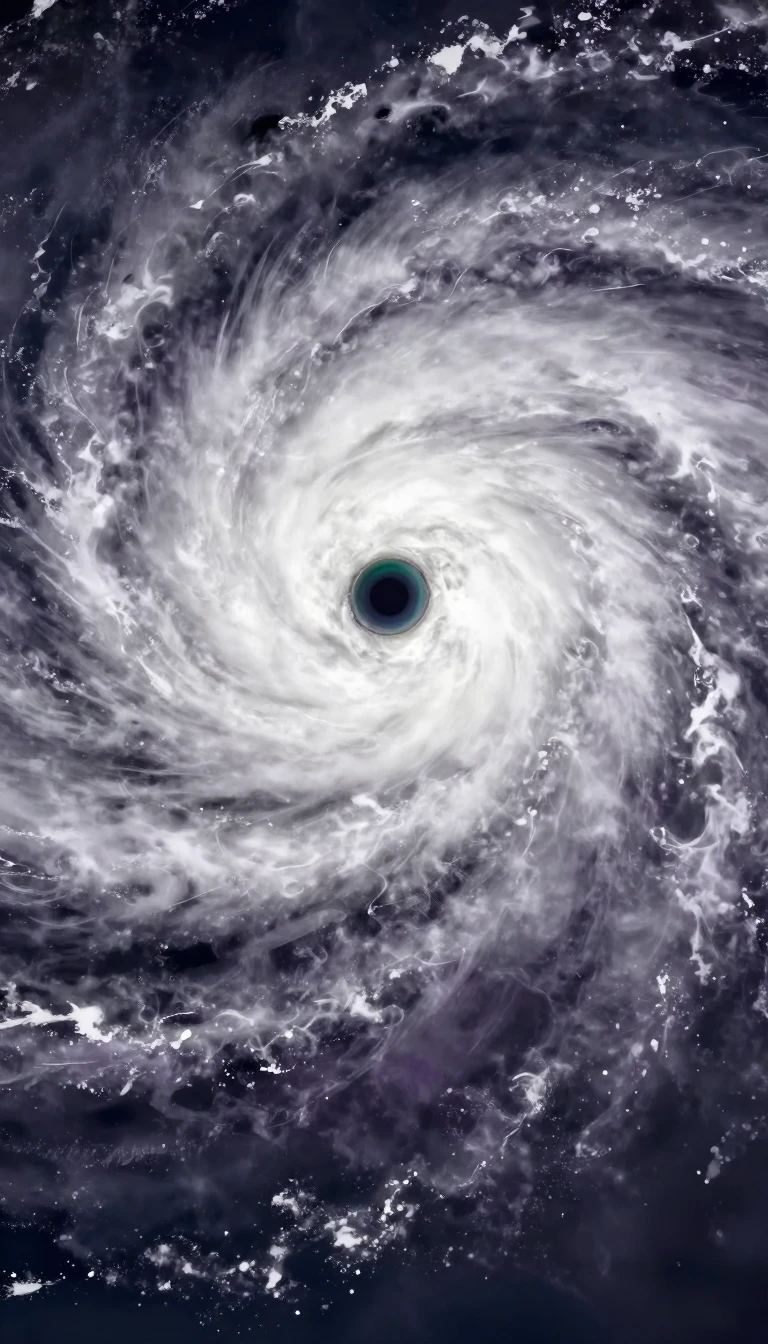
In short: Nor'easters are powerful extratropical cyclones that thrive on the violent collision between frigid Canadian air and the warm Gulf Stream. While they can mimic the intensity and circular structure of a hurricane, these cold-core systems operate on entirely different physics, often bringing blizzard conditions to the American East Coast.
A nor'easter is a large-scale extratropical cyclone that typically forms within 100 miles of the coastline between North Carolina and Massachusetts. These storms are driven by the sharp temperature gradient between cold polar air masses descending from Canada and the warm waters of the Gulf Stream, which can remain near 70 °F even in mid-winter. As these distinct air masses collide, the resulting atmospheric instability and pressure differences fuel the storm's growth. The jet stream further intensifies the system by removing rising air at high altitudes, allowing the cyclone to strengthen as it tracks northward along the coast.
Unlike tropical cyclones, which are warm-core systems that rely on heat, nor'easters are cold-core low-pressure systems. They are classified by meteorologists using the Miller system, established in 1946. Type A storms often originate in the Gulf of Mexico or near the coasts of Georgia and South Carolina, while Type B storms develop from a parent low-pressure area over the Ohio Valley that reforms over the warm waters off the Mid-Atlantic. These systems can last for weeks, often reaching peak intensity near the Canadian coast, where they may occasionally develop a dry slot near the center that resembles a hurricane's eye.
The term itself has a long history in maritime language, evolving from 16th-century compass terminology. Despite pushback from 19th-century purists like Edgar Comee, who viewed the contraction as a pretentious affectation, the spelling became entrenched in American English. Today, these storms remain a significant environmental force, capable of causing severe coastal erosion, flooding, and hurricane-force winds. They are not merely weather events; they are complex ecological factors, with researchers at the Woods Hole Oceanographic Institution linking them to the occurrence of red tides along the Atlantic coast.
Opens the Intellect+ feed with this card first. Swipe up for the next one.
Sources
- Summary by Intellect · source: Nor'easter
To cite this card, link to https://intellectplus.co.uk/app/nature-nor-easter.
How we source, check and correct cards: Editorial standards.
General information, not professional advice. Spotted an error? Flag the card or see corrections and complaints.
Intellect Plus is a visual educational discovery platform for exploring fascinating facts and ideas. Brain Food, Not Brain Rot. What is Intellect Plus?
Related
More in Earth science · More in Nature · Latest · A–Z · All topics
