The humble whiting: from a pauper's meal to a French culinary icon
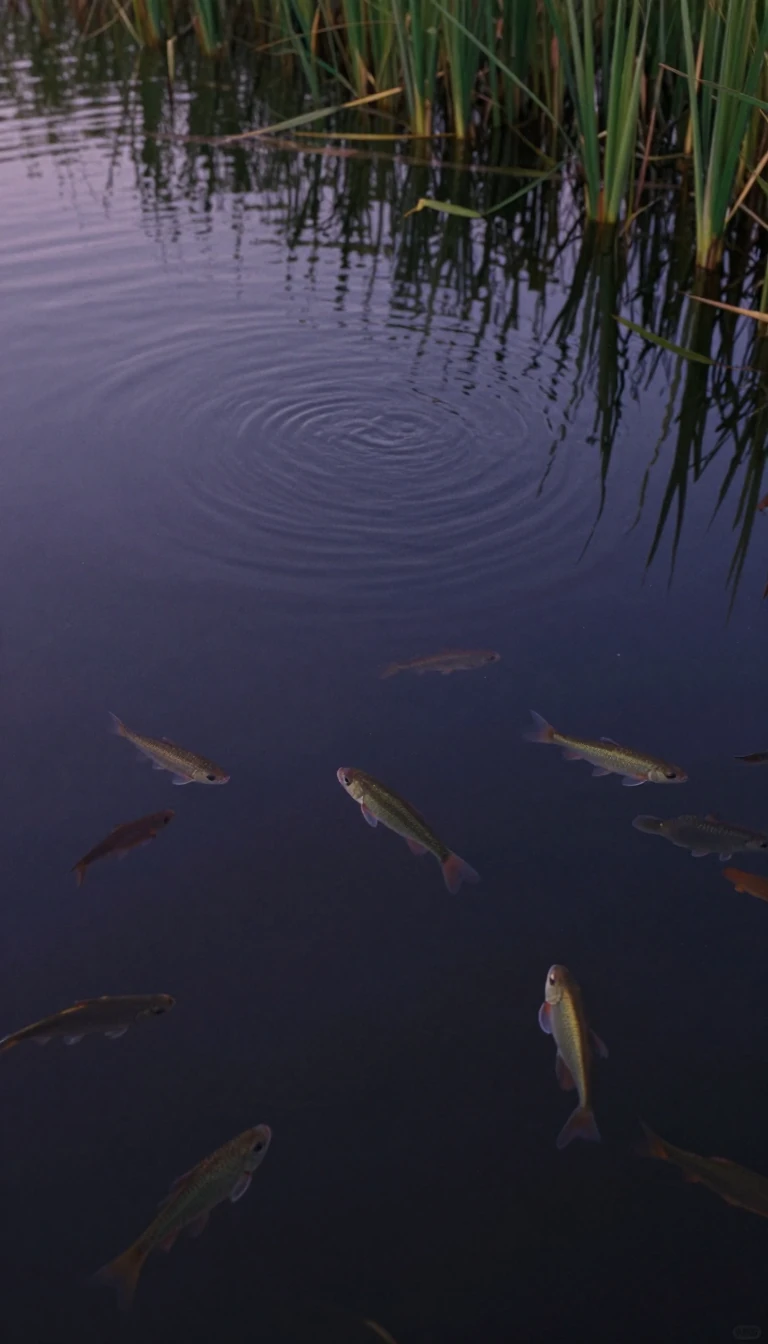
In short: Once dismissed as cheap food for the poor or pets, the whiting has a surprisingly rich history. From its unique anatomy and distinctive black pectoral markings to its role in French wigmaking and culinary traditions, this Atlantic fish is far more than just a simple, overlooked catch.
Merlangius merlangus, known widely as the whiting, is a staple of the eastern North Atlantic, ranging from the Barents Sea down to the Mediterranean and Black Sea. Physically, it is defined by a slender body, a small head, and three dorsal fins. Its coloration varies from greenish or dark blue to yellowish-brown, but the most reliable identifier is a small, dark blotch located at the base of each pectoral fin. While they can grow up to 70 centimetres in length, they typically inhabit sandy or muddy seabeds at depths of up to 100 metres.
The fish has long occupied a peculiar place in human culture. In France, the dish 'merlan en colère'—or 'angry whiting'—features the fish served with its tail in its mouth. The name 'merlan' even became a slang term for French wigmakers, as the flouring of the fish before frying was said to resemble the white powdering of wigs. Historically, the whiting was considered a low-status food, often relegated to the diets of the impoverished or used as pet feed. This perception was partly due to the fragility of the fish; industrial trawling often damages its delicate flesh and scales, making angling a preferred method for those seeking higher quality.
Despite its importance as a food source, the species faces biological challenges. It is frequently plagued by parasites, most notably the cod worm, a copepod that attaches to the gills and transforms into a strange, wormlike body. Furthermore, its environmental status is not entirely secure; by 2014, the Baltic Sea population was officially classified as vulnerable. It is also important to note that the name 'whiting' is a linguistic nomad. In many English-speaking regions outside its native range, the term is applied to entirely different species, such as the northern kingfish, which belongs to the drum family.
The confusion surrounding the name highlights the difference between common parlance and biological classification. While the true Merlangius merlangus remains a vital part of the Gadidae family, the label has been co-opted by various unrelated species globally. Whether viewed through the lens of culinary history or marine biology, the whiting remains a fascinating subject that bridges the gap between the dinner plate and the complex ecosystems of the North Atlantic.
Opens the Intellect+ feed with this card first. Swipe up for the next one.
Sources
- Summary by Intellect · source: Merlangius
- Also: iNaturalist — Whiting (Merlangius merlangus) · CC BY-SA 4.0 (Wikipedia summary)
To cite this card, link to https://intellectplus.co.uk/app/nature-merlangius.
How we source, check and correct cards: Editorial standards.
General information, not professional advice. Spotted an error? Flag the card or see corrections and complaints.
Intellect Plus is a visual educational discovery platform for exploring fascinating facts and ideas. Brain Food, Not Brain Rot. What is Intellect Plus?
Related
More in Vertebrates · More in Nature · Latest · A–Z · All topics
