Oreodonts: The mysterious, cud-chewing 'ruminating hogs' that once dominated the American landscape
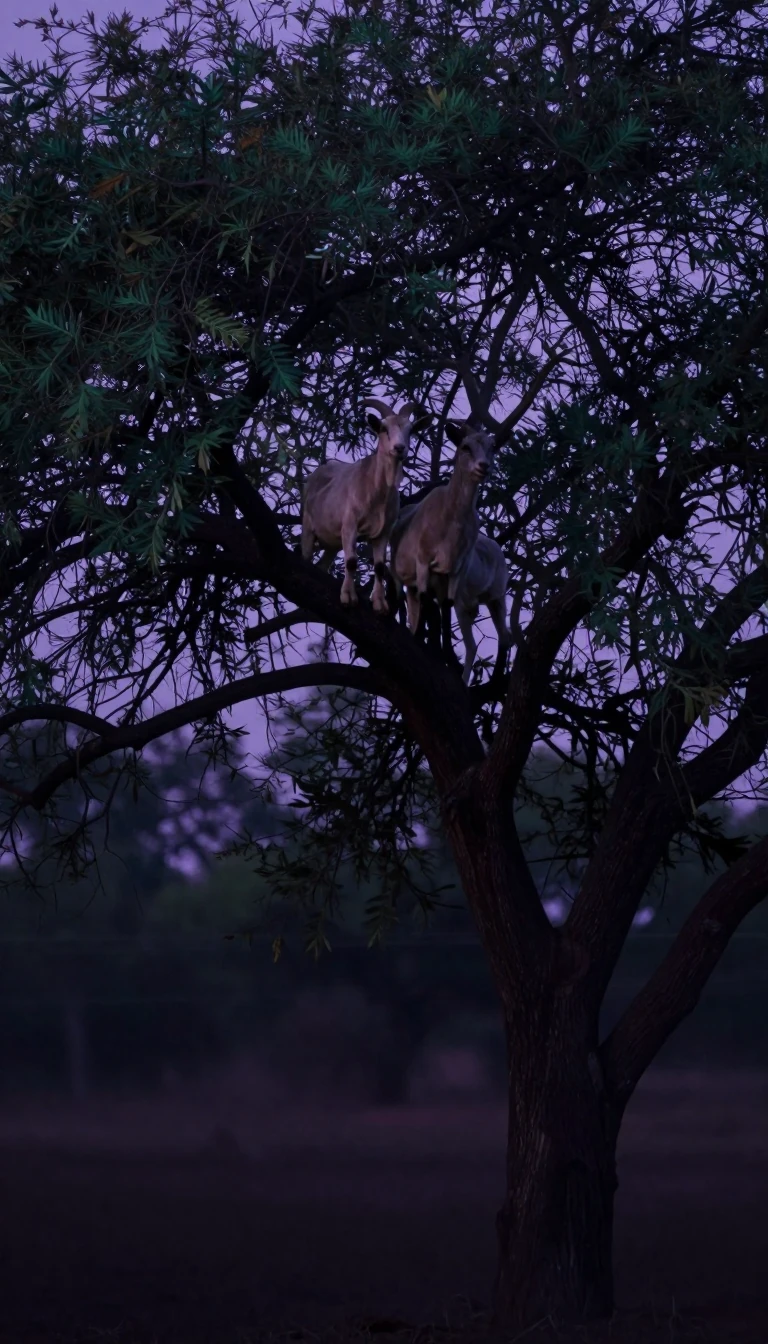
In short: Known as ruminating hogs, these prehistoric mammals were once among the most abundant herbivores in North America. Despite their pig-like appearance, they were likely related to camels. Their history is clouded by taxonomic confusion, as researchers once mistook crushed fossil skulls for entirely different species of animals.
Merycoidodontoidea, or oreodonts, were a diverse group of even-toed ungulates that thrived across North and Central America for millions of years. Appearing 48 million years ago during the Eocene, they became the dominant large herbivores of the Oligocene epoch between 34 and 23 million years ago. These stocky, sheep-sized animals possessed short faces and fang-like canine teeth, with their name derived from the multi-peaked appearance of their molars. While traditionally linked to pigs due to their stature, modern analysis suggests they were more closely related to camelids within the suborder Tylopoda.
The group displayed remarkable ecological versatility, evolving into various forms to suit different environments. Some, like the hippo-like Promerycochoerus, were semiamphibious, while others like Sespia were small desert dwellers. Most oreodonts were terrestrial browsers that lived in herds, a behavior evidenced by massive bone beds found in regions like the White River Badlands of South Dakota and Nebraska. Despite their success, they vanished 4 million years ago during the colder Pliocene epoch, leaving behind a fossil record that has challenged paleontologists for decades.
A significant hurdle in understanding oreodonts is the historical oversplitting of their taxonomy. In the 1960s, researchers C. Bertrand Schultz and Charles H. Falkenbach described over 50 genera, but many of these classifications are now considered erroneous. Critics argue that these scientists often mistook taphonomic deformations—skulls crushed by postburial forces—for distinct anatomical traits. As a result, a single species might have been assigned to three different genera depending on whether its skull was compressed from the side or the front. Modern researchers are now working to synonymize these groups, though the process of correcting this complex taxonomic legacy remains ongoing.
Opens the Intellect+ feed with this card first. Swipe up for the next one.
Sources
- Summary by Intellect · source: Merycoidodontoidea
To cite this card, link to https://intellectplus.co.uk/app/nature-merycoidodontoidea.
How we source, check and correct cards: Editorial standards.
General information, not professional advice. Spotted an error? Flag the card or see corrections and complaints.
Intellect Plus is a visual educational discovery platform for exploring fascinating facts and ideas. Brain Food, Not Brain Rot. What is Intellect Plus?
Related
More in Vertebrates · More in Nature · Latest · A–Z · All topics
