Why these tiny insects are the most sensitive environmental monitors in our water
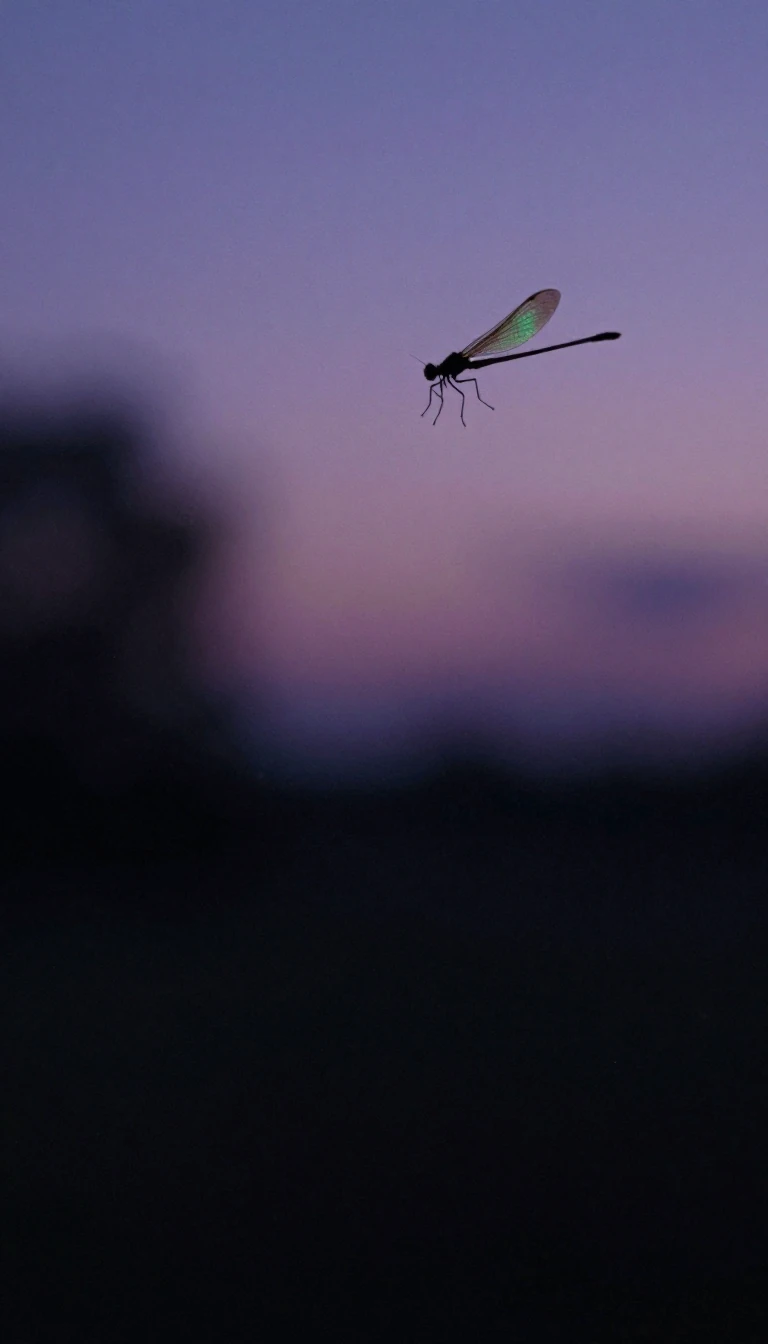
In short: Midges are far more than a summer nuisance. These ancient flies act as vital ecological barometers, with their presence or absence revealing the health of our waterways. While only females bite, the entire group plays a complex role in nature, from filtering bacteria to serving as essential prey for birds.
Belonging to the ancient Diptera order, midges are defined by their long, segmented antennae and two-winged structure. In the United Kingdom alone, the diversity is staggering, with over 500 varieties of non-biting species and upwards of 150 that possess the ability to bite. These insects are masters of adaptation, with reproduction rates governed by local temperatures; while a UK midge might produce only two or three generations annually, those in tropical climates like Cameroon can emerge every three weeks.
The biting behavior is strictly a maternal necessity. Female midges require a protein-rich blood meal to mature their eggs, targeting mammals and birds alike. Males, by contrast, feed on sugar for flight energy. To find mates, they perform elaborate aerial dances, using a combination of scent and sound to signal one another near landmarks. These swarms can be so dense they appear as smoke, occasionally requiring emergency services to intervene when they obscure structures like cathedrals.
Beyond their reputation as pests, midges are critical indicators of water quality. They inhabit the delicate surface film of ponds and streams, a zone rich in microorganisms. Because they are highly sensitive to oxygen levels and organic contamination, water authorities monitor their populations to detect pollution from sources like sewage plants. Furthermore, their larvae serve as a foundational food source for fish and water beetles, while adults are consumed by predators ranging from spiders to swallows, making them an indispensable link in the global food web.
Opens the Intellect+ feed with this card first. Swipe up for the next one.
Sources
- Summary by Intellect · source: What's the point of midges - and how do you stop them biting?
- Also: Midge
To cite this card, link to https://intellectplus.co.uk/app/nature-midge.
How we source, check and correct cards: Editorial standards.
General information, not professional advice. Spotted an error? Flag the card or see corrections and complaints.
Intellect Plus is a visual educational discovery platform for exploring fascinating facts and ideas. Brain Food, Not Brain Rot. What is Intellect Plus?
Related
More in Arthropods · More in Nature · Latest · A–Z · All topics
