The terrifying giant spider that never existed: meet the sea scorpion of Argentina.
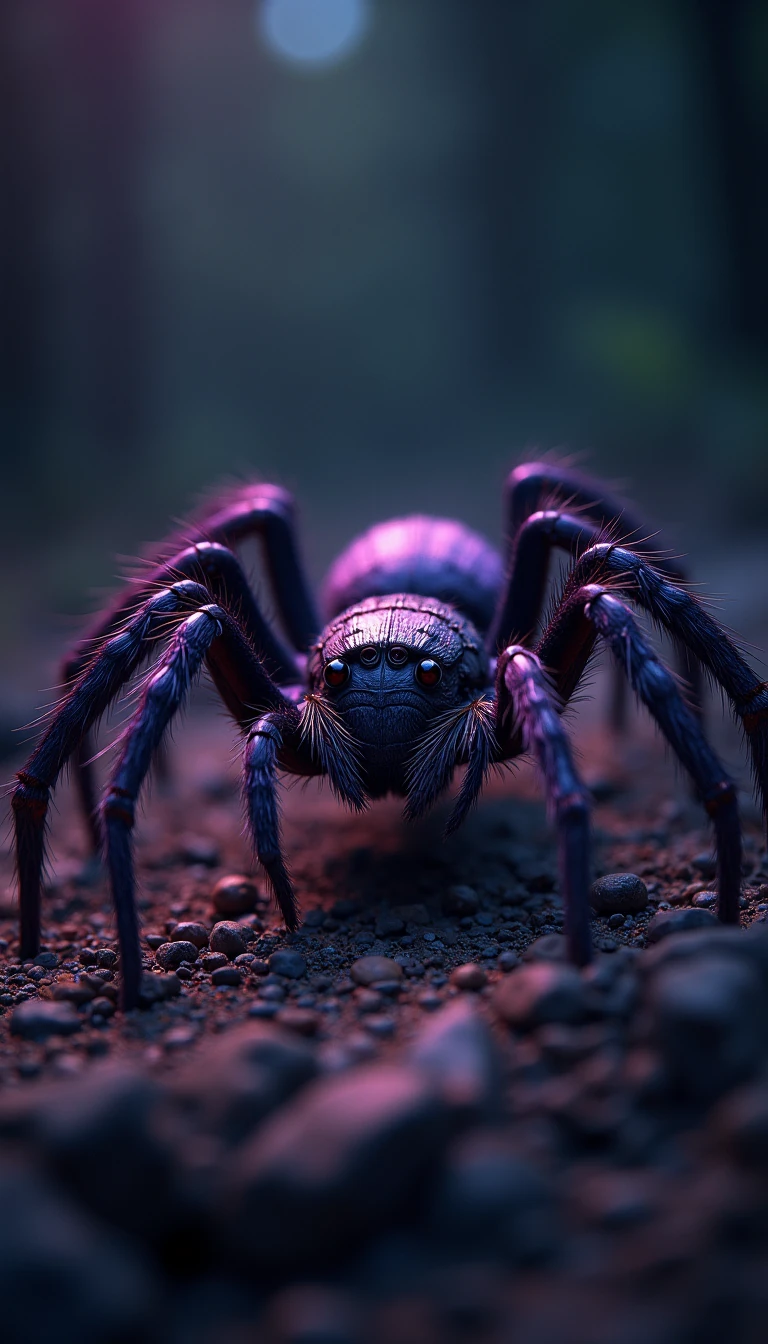
In short: In 1980, paleontologists announced the discovery of the largest spider to ever live, Megarachne. It became a global sensation, appearing in museum exhibits and documentaries. Decades later, scientists realized the fossil was not a spider at all, but a strange, aquatic creature that lived millions of years ago.
Paleontology often relies on fragmentary evidence, forcing researchers to reconstruct entire organisms from isolated shards of shell or bone. In 1980, Mario Hünicken identified a fossil from Argentina’s 300-million-year-old rock as a giant spider. Based on X-ray analysis, he concluded it was a massive arachnid with a body over a foot long and a leg span exceeding 19 inches. This 'Megarachne servinei' was hailed as the largest spider in history, a title that made it a staple of museum displays and even a planned feature for the BBC documentary Before the Dinosaurs: Walking With Monsters.
The reality, however, was far different. Because the original specimen was locked in a bank vault for years, it remained shielded from independent scrutiny. It was not until 2005 that Paul Selden and his colleagues gained access to the holotype and a new specimen. Their reanalysis revealed that the creature lacked the defining anatomy of a spider. Instead, the presence of specific carapace features—such as mucrones and lunules—confirmed that Megarachne was actually a eurypterid, or 'sea scorpion'.
Though the name Megarachne, meaning 'great spider', remains fixed by taxonomic rules, the creature was an aquatic predator. Unlike spiders, these eurypterids utilized a 'sweep-feeding' method, raking through riverbed sediment to capture small invertebrates with blade-like appendages. While the loss of the 'giant spider' was a blow to popular imagination, the discovery provided a clearer picture of the diverse arthropods that inhabited freshwater environments during the Carboniferous period. The case serves as a reminder of the inherent risks in interpreting ancient, incomplete remains.
Opens the Intellect+ feed with this card first. Swipe up for the next one.
Sources
- Summary by Intellect · source: Megarachne, the Giant Spider That Wasn’t
- Also: Megarachne
To cite this card, link to https://intellectplus.co.uk/app/nature-megarachne.
How we source, check and correct cards: Editorial standards.
General information, not professional advice. Spotted an error? Flag the card or see corrections and complaints.
Intellect Plus is a visual educational discovery platform for exploring fascinating facts and ideas. Brain Food, Not Brain Rot. What is Intellect Plus?
Related
More in Arthropods · More in Nature · Latest · A–Z · All topics
