Why the ancient city of the dead remains a blueprint for modern urban planning
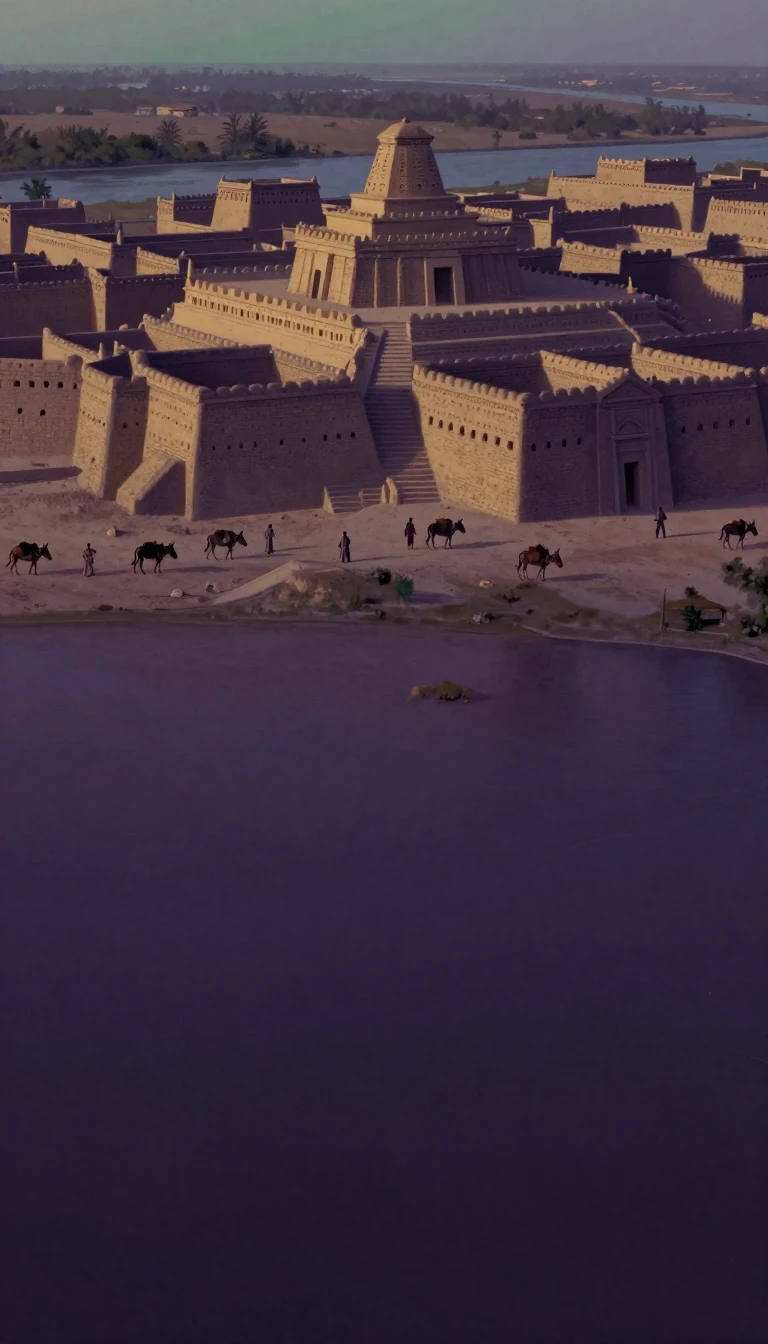
In short: The term necropolis, meaning city of the dead, originated in Ancient Greek to describe elaborate burial sites separated from living populations. While often associated with antiquity, this concept of a planned, distinct cemetery was revived in the 19th century, transforming how societies organize their final resting places today.
The etymology of necropolis traces back to the Ancient Greek term nekropolis, a literal translation for a city of the dead. Historically, these sites were defined by their separation from the living city, contrasting with the common practice of burying the deceased within urban centers. Unlike simple grave fields, which lack visible markers or architectural structures, a true necropolis is characterized by its intentional design, often featuring elaborate tombs and funerary monuments.
While the concept is deeply rooted in ancient history, the term experienced a significant revival during the early 19th century. During this period, the label was applied to newly planned, large-scale city cemeteries. A prominent example of this transition is the Glasgow Necropolis, which reflects the shift toward treating burial grounds as structured, designed spaces rather than mere collections of graves. This evolution highlights a change in how urban planners and societies viewed the spatial relationship between the living and the dead.
The distinction between a necropolis and other burial forms remains nuanced. Some necropolises consist primarily of rock-cut burials or simple graves, yet they retain the classification due to their planned nature and scale. The term serves as a reminder that the organization of death is as much a reflection of cultural values as the organization of life. By moving cemeteries to the periphery and designing them as distinct, monumental spaces, civilizations have long sought to create a structured, permanent home for their ancestors, separate from the bustling activity of the living.
Opens the Intellect+ feed with this card first. Swipe up for the next one.
Sources
- Summary by Intellect · source: Necropolis
To cite this card, link to https://intellectplus.co.uk/app/nature-necropolis.
How we source, check and correct cards: Editorial standards.
General information, not professional advice. Spotted an error? Flag the card or see corrections and complaints.
Intellect Plus is a visual educational discovery platform for exploring fascinating facts and ideas. Brain Food, Not Brain Rot. What is Intellect Plus?
Related
More in Physical geography · More in Nature · Latest · A–Z · All topics
