Neognathae: The Infraclass of Birds That Includes Nearly Every Living Species You Know
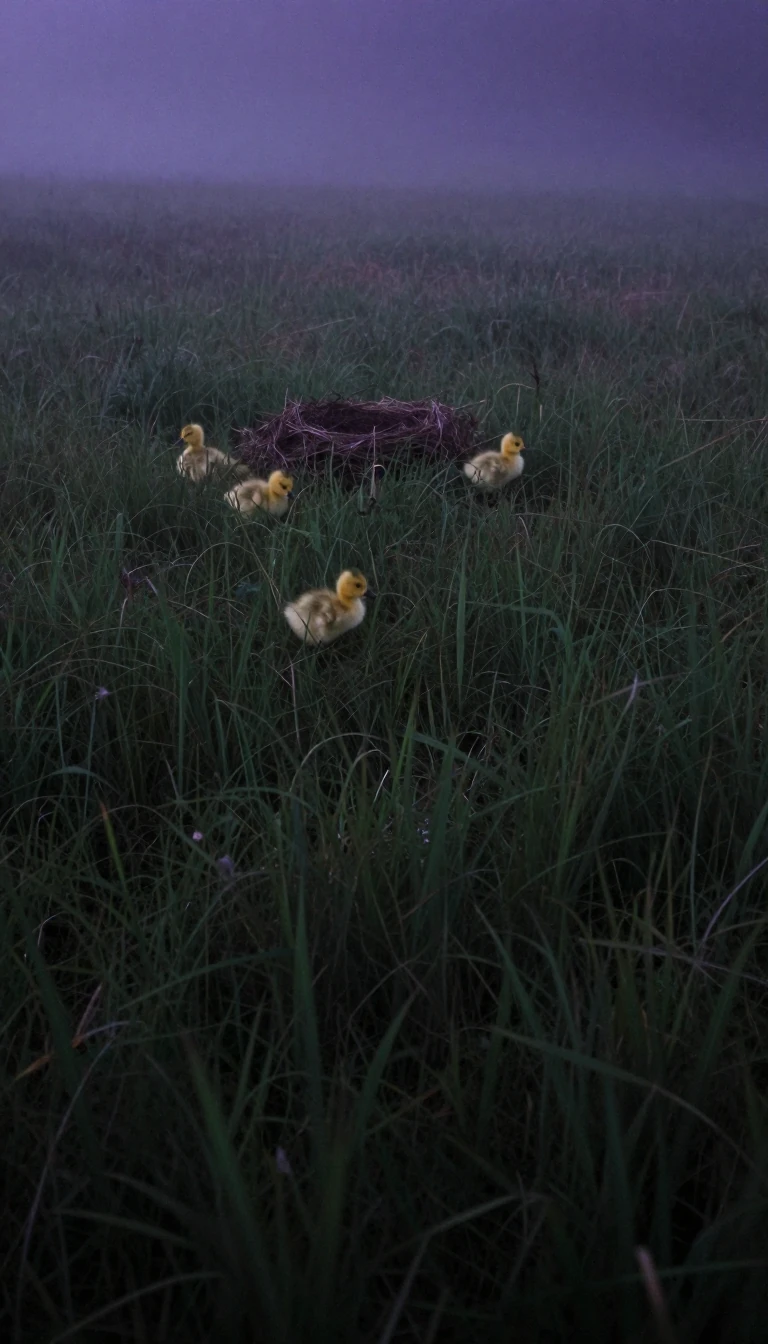
In short: From the tiny hummingbird to the massive ostrich, birds dominate our skies. Yet, the vast majority belong to a single group: the Neognathae. Comprising nearly 10,000 species, these birds have evolved unique jaw structures and skeletal traits that set them apart from their ancient, flightless cousins, the Palaeognathae.
The term Neognathae, meaning new jaws, refers to an infraclass of birds within the class Aves. While the name implies a specific evolutionary advancement, the reality is nuanced. Neognaths are distinguished by fused metacarpals, an elongate third finger, and a skeletal structure featuring 13 or fewer vertebrae. Interestingly, their jaw structure is not necessarily more primitive than that of the Palaeognathae; in fact, the jaw configuration of the latter group is considered a derived feature, rendering the traditional comparison between the two groups less informative than once believed.
Molecular clocks suggest that neognaths emerged about 90 million years ago during the first half of the Late Cretaceous. While the earliest confirmed fossils date to the Maastrichtian stage, the group has since undergone massive adaptive radiation. This success is best exemplified by the order Passeriformes, or perching birds, which contains roughly 60% of all living bird species. To put this diversity in perspective, Passeriformes is twice as species-rich as the largest order of mammals, Rodentia, and five times as rich as Chiroptera, the order containing bats.
Modern classification of Neognathae has shifted away from rigid superorders toward phylogenetic nomenclature. The group is now universally divided into two primary lineages: the fowl-like Galloanseres and the Neoaves, or higher neognaths. While the former is well-defined, the internal structure of Neoaves remains a subject of intense scientific debate. Proposed clades like Metaves and Coronaves lack material evidence in the Mesozoic fossil record, suggesting that our understanding of how these birds branched out remains a work in progress as researchers integrate new DNA and protein sequence data.
Opens the Intellect+ feed with this card first. Swipe up for the next one.
Sources
- Summary by Intellect · source: Neognathae
To cite this card, link to https://intellectplus.co.uk/app/nature-neognathae.
How we source, check and correct cards: Editorial standards.
General information, not professional advice. Spotted an error? Flag the card or see corrections and complaints.
Intellect Plus is a visual educational discovery platform for exploring fascinating facts and ideas. Brain Food, Not Brain Rot. What is Intellect Plus?
Related
More in Organisms · More in Nature · Latest · A–Z · All topics
