Why these ground-dwelling birds are not actually related to their Old World lookalikes
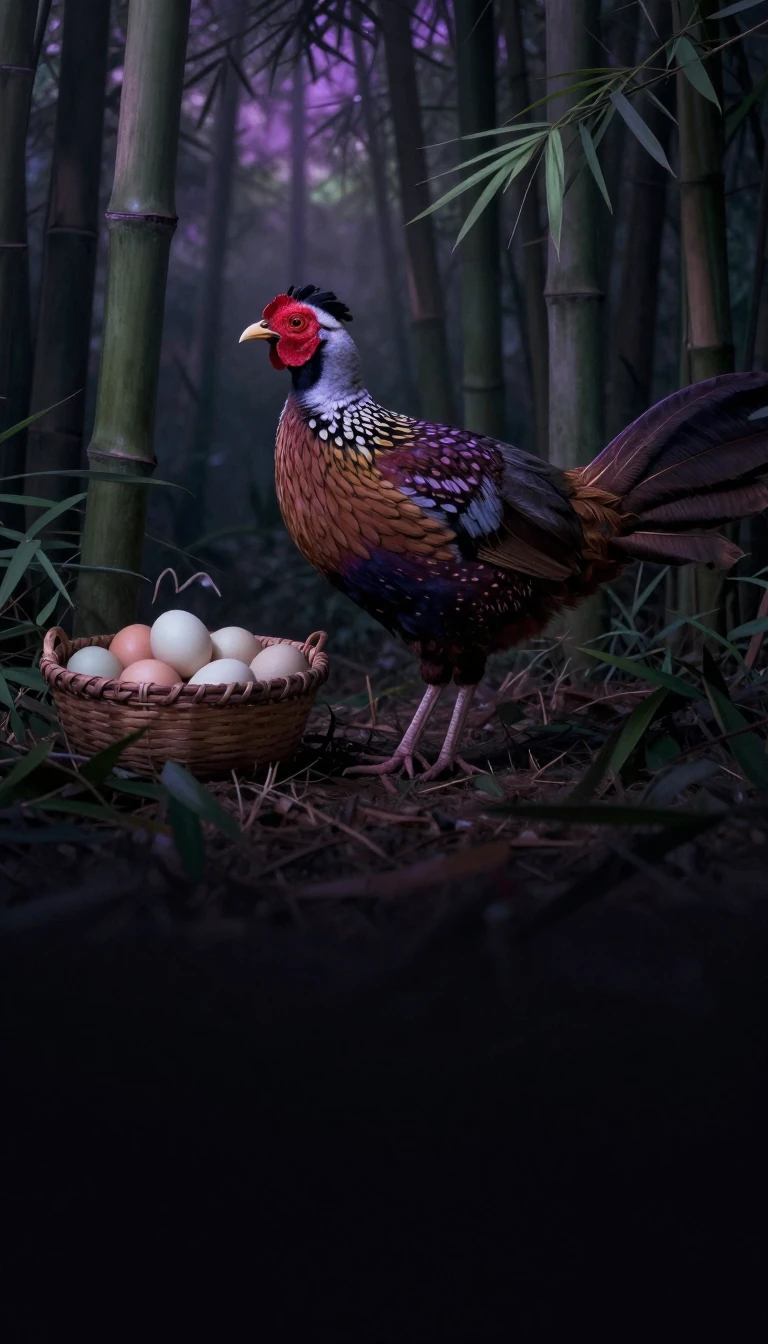
In short: New World quail may resemble Old World quail, but they are members of an entirely distinct family, the Odontophoridae. While they share a distant ancestor, these birds have evolved unique traits, such as powerful digging legs and ornamental head plumes, to thrive in environments ranging from tropical rainforests to arid deserts.
The Odontophoridae family comprises 34 distinct species spread across 10 genera. Their geographical footprint is vast, stretching from the northern reaches of Canada down to southern Brazil. While they are primarily known for their terrestrial lifestyle, their adaptability is remarkable; they occupy diverse ecosystems, including dense rainforests and harsh deserts. A few species have even demonstrated the ability to endure exceptionally low temperatures, defying the typical expectations for birds of their size.
Physically, these birds are defined by their short, robust legs, which are often specialized for digging. Unlike many of their Old World counterparts in the Phasianidae family, they lack spurs. Their survival strategy prioritizes evasion over flight; they are capable of explosive, short-distance bursts of speed, but they generally prefer to walk, run, or hide from predators. Their appearance is equally varied, ranging from drab, camouflaged plumage to spectacular displays, often accented by decorative crests or plumes on their heads. Males typically exhibit brighter, more vivid coloring than females.
Behaviorally, these birds are diurnal generalists, foraging for a diet of insects, seeds, tubers, and vegetation. Even species classified as tree quails, which roost in high branches, spend the majority of their time feeding on the forest floor. Breeding habits are largely understood through the lens of North American species, which are generally monogamous and nest on the ground. Their reproductive strategy involves large clutches, with some species like the northern bobwhite laying 10 to 15 eggs. Once hatched, the precocial chicks quickly join their parents in family groups.
While some species like the northern bobwhite and California quail are thriving—partly due to human intervention and artificial stocking for hunting—others face significant peril. The bearded tree quail of Mexico, for instance, is currently threatened by the dual pressures of illegal hunting and habitat loss. This contrast highlights the complex relationship between human activity and the survival of these unique, ground-dwelling birds.
Opens the Intellect+ feed with this card first. Swipe up for the next one.
Sources
- Summary by Intellect · source: New World quail
To cite this card, link to https://intellectplus.co.uk/app/nature-new-world-quail.
How we source, check and correct cards: Editorial standards.
General information, not professional advice. Spotted an error? Flag the card or see corrections and complaints.
Intellect Plus is a visual educational discovery platform for exploring fascinating facts and ideas. Brain Food, Not Brain Rot. What is Intellect Plus?
Related
More in Vertebrates · More in Nature · Latest · A–Z · All topics
