Why do massive mountain ranges crumple like a tablecloth pushed across a wooden table?
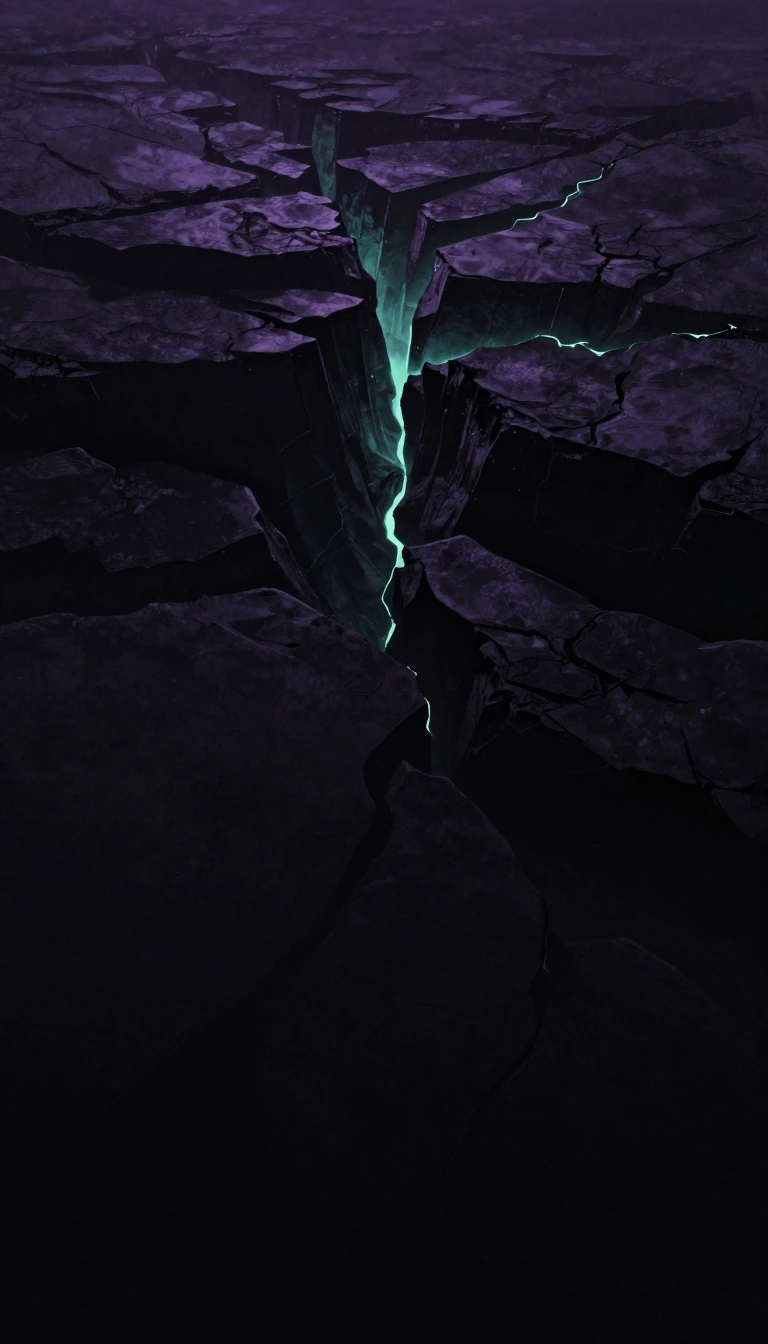
In short: Mountains are not always jagged, static monoliths. They are the result of tectonic plates colliding, forcing layers of crust to buckle and fold. This process, driven by the same buoyancy that keeps continents afloat, creates vast, elongated ridges that reveal the hidden, fluid-like behavior of the Earth's solid crust.
Fold mountains emerge at convergent plate boundaries, where tectonic plates move toward one another. As these massive slabs of crust collide, the accumulated rock layers undergo intense pressure. If the crust contains mechanically weak materials, such as salt, it behaves much like a tablecloth being pushed across a tabletop, crumpling into a series of ridges. This structural deformation results in upfolds known as anticlines and downfolds called synclines. In more extreme cases, these rocks can become severely faulted and folded, forming structures referred to as nappes.
The formation of these mountains is governed by the principle of buoyancy. Because continental crust is less dense than the mantle rocks beneath it, it effectively floats. When tectonic forces push crustal material upward to create mountains, a significantly larger volume of rock must be forced downward into the mantle to maintain equilibrium. Consequently, the continental crust is substantially thicker beneath these mountain ranges than it is in lower-lying regions. These resulting formations are typically much greater in length than they are in breadth, creating the distinct, elongated appearance of many of the world's great ranges.
Geologists identify several classic examples of this phenomenon, including the Jura Mountains, which formed over a Triassic evaporite decollement in the foreland of the Alps. Similarly, the Zagros Mountains feature a 'Simply Folded Belt' of elongated anticlinal domes, which developed above a basal decollement within the late Neoproterozoic to Early Cambrian Hormuz Formation. Other notable examples of this geological process include the Ridge-and-Valley Appalachians in the eastern United States, the Ouachita Mountains spanning Arkansas and Oklahoma, and the Aravalli Range in western India. While the term 'fold mountains' was once used to describe most mountain belts, it has largely fallen out of favor as our understanding of plate tectonics and thrust belts has evolved.
Opens the Intellect+ feed with this card first. Swipe up for the next one.
Sources
- Summary by Intellect · source: Fold mountains
To cite this card, link to https://intellectplus.co.uk/app/nature-fold-mountains.
How we source, check and correct cards: Editorial standards.
General information, not professional advice. Spotted an error? Flag the card or see corrections and complaints.
Intellect Plus is a visual educational discovery platform for exploring fascinating facts and ideas. Brain Food, Not Brain Rot. What is Intellect Plus?
Related
More in Geomorphology · More in Nature · Latest · A–Z · All topics
