Mountains are not permanent fixtures but the result of Earth’s restless, shifting tectonic plates.
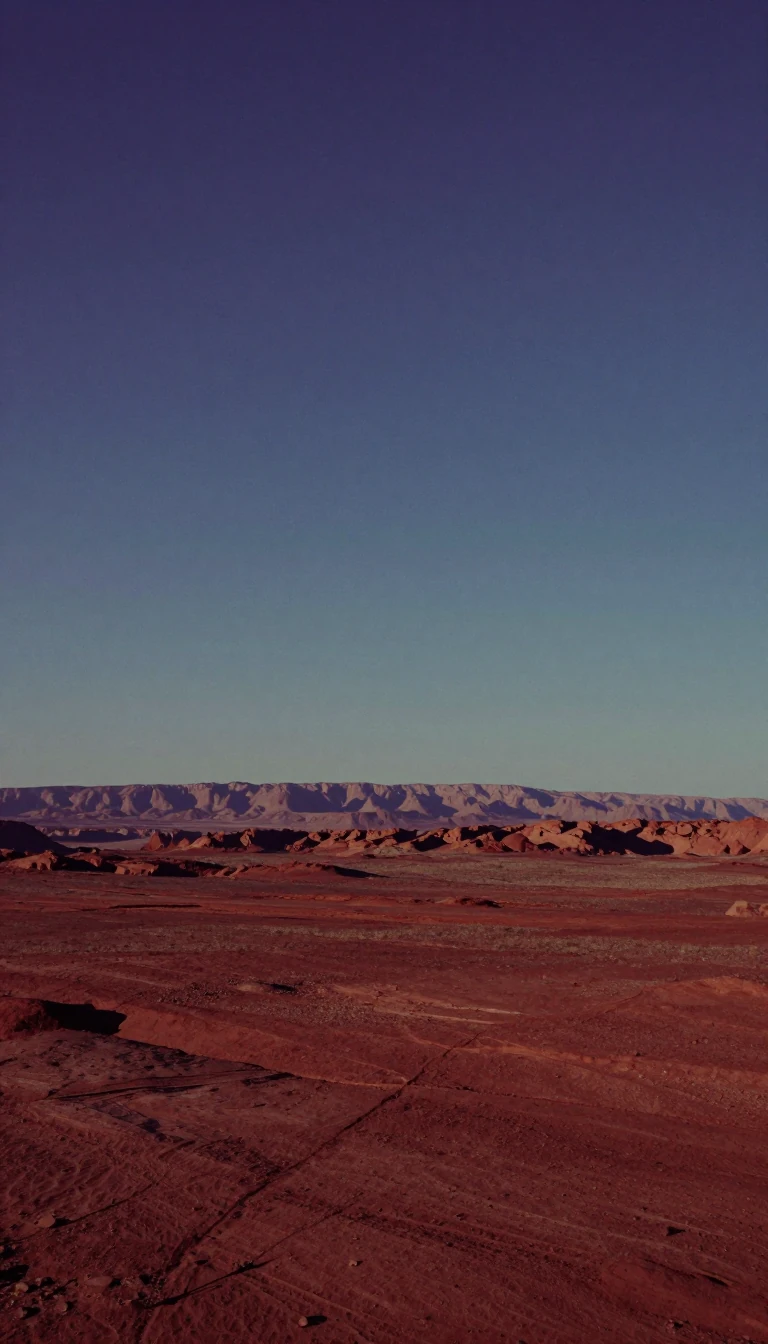
In short: Mountains are born from the violent collision, subduction, and stretching of Earth's crust. Whether through the buckling of continents, the rise of volcanic magma, or the tilting of massive fault blocks, these geological giants reveal the intense, ongoing transformation of our planet's surface over millions of years.
The most prominent mountain ranges are products of orogeny, a process driven by the convergence of tectonic plates. When two continental plates collide, such as the Indian and Eurasian plates, the immense pressure forces the crust to crumple and fold, pushing up the planet's highest peaks. In contrast, when an oceanic plate subducts beneath a continental plate, it creates a volcanic arc. This is clearly visible in the Pacific Ring of Fire and the Andes, where the Nazca Plate’s descent beneath South America fuels a chain of volcanic summits.
Beyond folding and volcanism, mountains also emerge from block faulting. This occurs when tectonic forces stretch the crust, causing large sections to crack and tilt. The Sierra Nevada in the United States serves as a prime example of this mechanism, where uplifted blocks create rugged, steep terrain. Similarly, the pulling apart of the crust can form rift valleys, as seen in the East African Rift System, which features both highlands and volcanic activity resulting from the crustal thinning.
While these processes actively build mountains, erosion plays a different role. It rarely creates mountain chains, but it can sculpt residual mountains from previously uplifted plateaus. Mount Katahdin in Maine is one such survivor, shaped by the persistent wearing away of rock by wind, water, and glaciers. Understanding these diverse origins—from the massive, slow-motion collisions of continents to the localized carving by weather—provides a window into the dynamic, ever-changing nature of the Earth’s lithosphere.
Opens the Intellect+ feed with this card first. Swipe up for the next one.
Sources
- Summary by Intellect · source: How Are Mountains Formed? | Processes, Types, Examples, & Facts | Britannica
- Also: Mountain formation
To cite this card, link to https://intellectplus.co.uk/app/nature-mountain-formation.
How we source, check and correct cards: Editorial standards.
General information, not professional advice. Spotted an error? Flag the card or see corrections and complaints.
Intellect Plus is a visual educational discovery platform for exploring fascinating facts and ideas. Brain Food, Not Brain Rot. What is Intellect Plus?
Related
More in Geomorphology · More in Nature · Latest · A–Z · All topics
