The forgotten giants that dominated the world after the dinosaurs vanished
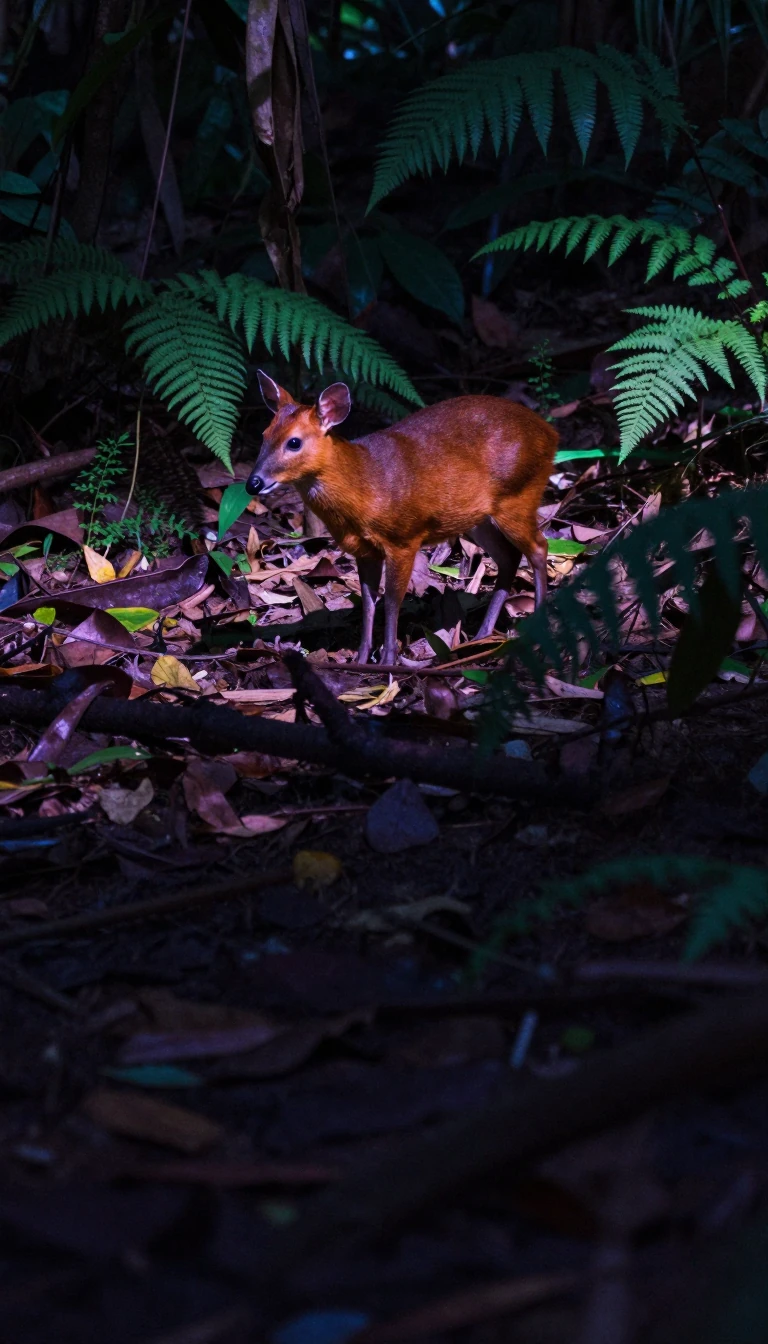
In short: Following the mass extinction of the Cretaceous, a mysterious group of mammals rose to prominence. Known as the Pantodonta, these diverse creatures evolved into some of the largest animals on Earth. From dog-sized climbers to massive, slow-moving browsers, they occupied a vast range of ecological niches for thirty million years.
Emerging around 66 million years ago, the pantodonts were among the first large mammals to thrive in the post-dinosaur era. Their evolutionary journey was marked by extreme physical variation. While early, primitive forms like the dog-sized Bemalambda and the arboreal Archaeolambda remained relatively small, the group eventually produced giants. By the middle Paleocene, North American species such as Barylambda had become massive, slow-moving, graviportal animals, while later Eocene forms like Hypercoryphodon reached weights exceeding 500 kg.
The classification of these mammals remains a subject of intense scientific debate. Historically grouped with ungulates, modern consensus—following the work of McKenna and Bell in 1997—often allies them with tillodonts and suggests a lineage derived from cimolestids. However, this is contested; recent research proposing a link to the Periptychidae family would reclassify pantodonts as crown-group ungulate placentals, fundamentally shifting our understanding of their ancestry. Their anatomy, characterized by robust, five-toed feet and specialized dilambdodont teeth, reflects a primitive yet highly successful evolutionary design.
Pantodonts were remarkably widespread, with fossil evidence spanning from the Shanghuan Formation in China to North America, South America, and even Antarctica. They survived until the end of the Eocene, roughly 34 million years ago. Despite their success, their internal relationships remain complex, with roughly two dozen genera distributed across ten families. Whether they were insectivorous descendants of Cretaceous palaeoryctids or something else entirely, they represent a pivotal chapter in the rapid diversification of mammals following the collapse of the Cretaceous ecosystems.
Opens the Intellect+ feed with this card first. Swipe up for the next one.
Sources
- Summary by Intellect · source: Pantodonta
To cite this card, link to https://intellectplus.co.uk/app/nature-pantodonta.
How we source, check and correct cards: Editorial standards.
General information, not professional advice. Spotted an error? Flag the card or see corrections and complaints.
Intellect Plus is a visual educational discovery platform for exploring fascinating facts and ideas. Brain Food, Not Brain Rot. What is Intellect Plus?
Related
More in Vertebrates · More in Nature · Latest · A–Z · All topics
