The Pallas's cat is a master of camouflage in the world's harshest mountain climates.
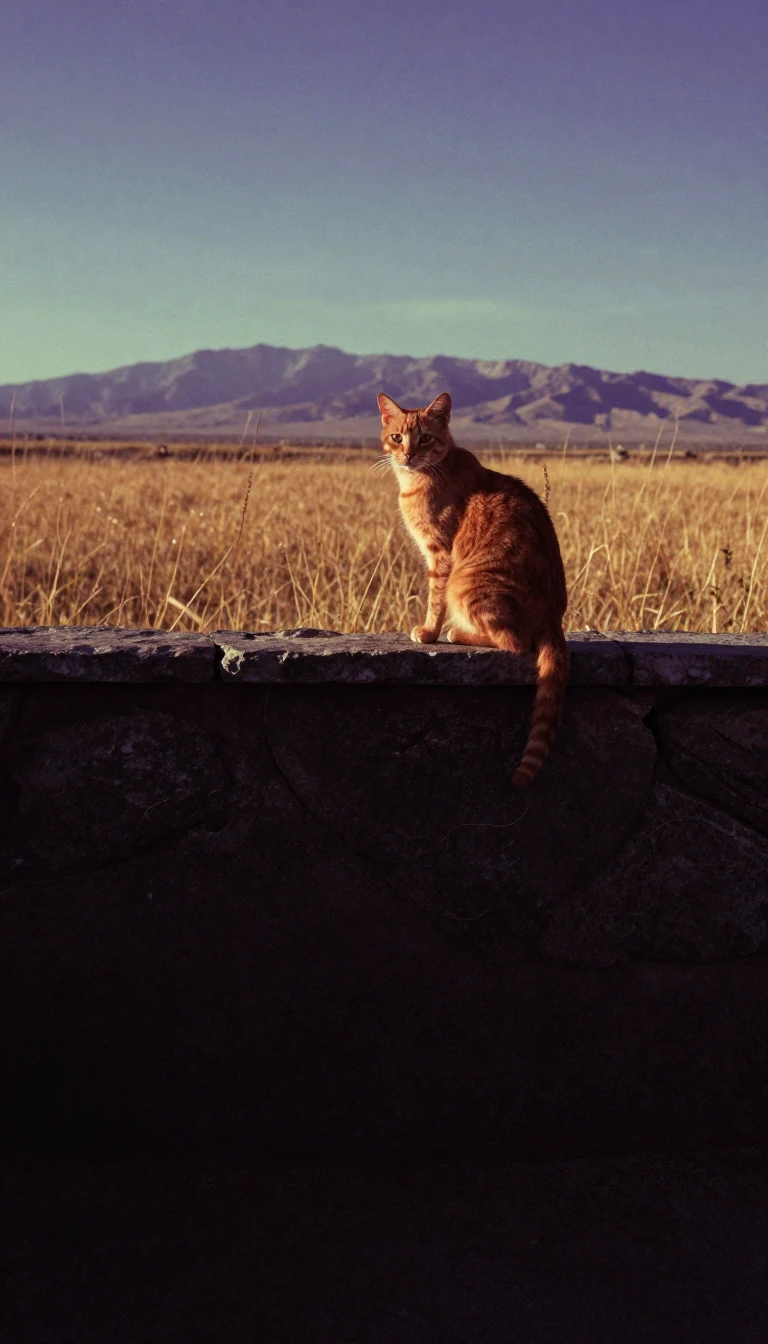
In short: With its dense, plush fur and low-set ears, the Pallas's cat is perfectly adapted to the extreme temperatures of Central Asia. Often mistaken for a domestic cat, this elusive predator thrives in rocky, high-altitude terrain, where it remains hidden from both prey and observers in some of the world's most rugged landscapes.
First described by Peter Simon Pallas in 1776 near the Dzhida River, the Pallas's cat (Otocolobus manul) is a small, stout wild cat native to the vast, arid steppes and montane regions of Central Asia. Its physical structure is a marvel of evolutionary adaptation to a continental climate that can swing by 80 °C, with winter temperatures plummeting to -50 °C. The cat possesses exceptionally dense fur—up to 9,000 hairs per square centimeter—which provides essential insulation against the cold. Its rounded ears, set low on the sides of its head, allow it to peer over rocky outcrops while keeping its profile minimal, a trait that enhances its stealth in open, rugged environments.
The species occupies a broad, albeit fragmented, range that stretches from the Caucasus and the Iranian Plateau to the Himalayas and the Tibetan Plateau. It is a solitary hunter, primarily preying on rodents and lagomorphs. Because it inhabits areas with limited snow cover—generally below 15 to 20 centimeters—it relies on rock crevices and burrows for shelter. While the IUCN has listed the species as Least Concern since 2020, it faces ongoing pressures from habitat fragmentation caused by mining and infrastructure projects, as well as the decline of its prey base due to rodent control programs.
Taxonomically, the Pallas's cat has been the subject of significant study. While early classifications proposed several subspecies, the Cat Classification Task Force now recognizes only two: O. m. manul, found in the western and northern parts of Central Asia, and O. m. nigripectus, which inhabits the Himalayas. Genetic analysis suggests the species diverged from its common ancestor with the genus Prionailurus between 8.55 and 4.8 million years ago. Today, the cat remains a subject of intense interest for researchers, with captive breeding programs in 60 zoos worldwide working to understand and preserve this unique, elusive feline.
Opens the Intellect+ feed with this card first. Swipe up for the next one.
Sources
- Summary by Intellect · source: Pallas's cat
- Also: iNaturalist — Pallas' Cat (Otocolobus manul) · CC BY-SA 4.0 (Wikipedia summary)
To cite this card, link to https://intellectplus.co.uk/app/nature-pallas-s-cat.
How we source, check and correct cards: Editorial standards.
General information, not professional advice. Spotted an error? Flag the card or see corrections and complaints.
Intellect Plus is a visual educational discovery platform for exploring fascinating facts and ideas. Brain Food, Not Brain Rot. What is Intellect Plus?
Related
More in Organisms · More in Nature · Latest · A–Z · All topics
