Insects are technically crustaceans, a discovery that reshaped our understanding of evolutionary history.
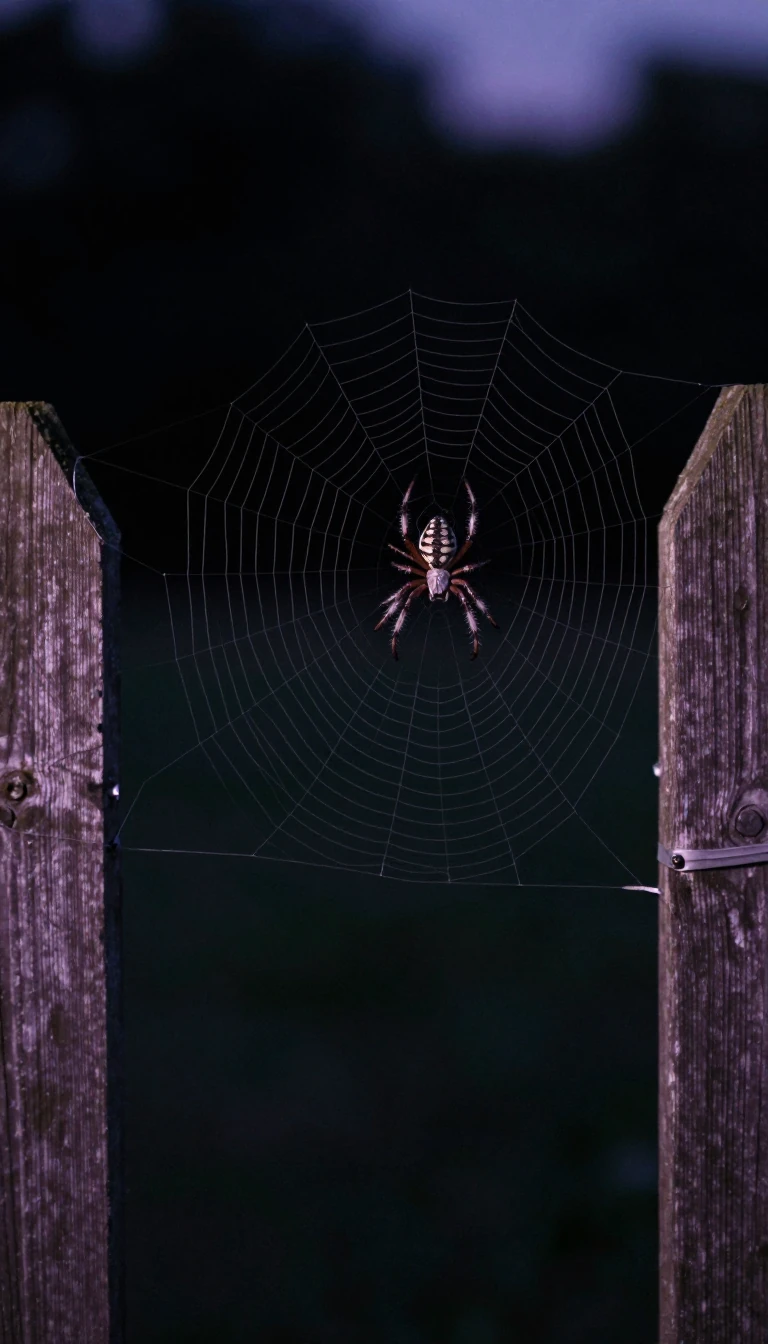
In short: For decades, biology placed insects and crustaceans in separate camps. Today, the Pancrustacea hypothesis reveals that insects are essentially terrestrial crustaceans, having evolved from aquatic ancestors. This radical reclassification, supported by molecular and morphological data, forces us to rethink the entire family tree of the arthropod world.
The Pancrustacea clade unites all crustaceans and hexapods—the group containing insects and their relatives. This classification challenges the older Atelocerata hypothesis, which once grouped hexapods with myriapods, such as centipedes and millipedes. Modern molecular studies, including analyses of nuclear and mitochondrial genomes, consistently suggest that hexapods are derived from crustacean ancestors, rendering the traditional subphylum Crustacea paraphyletic. This means that while all hexapods are pancrustaceans, only some members of the broader crustacean group share this specific lineage.
Evidence for this grouping relies on both molecular data and shared physical traits. Researchers point to the structure of ommatidia—the individual units of arthropod compound eyes—as well as the presence of specific neuroblasts and unique patterns in how pioneer neurons develop axons. Some scientists prefer the term Tetraconata to describe this clade, referencing the four-part cone found in these eyes, which avoids potential confusion with the naming conventions used for broader taxonomic groups.
Despite widespread acceptance of the Pancrustacea concept, the internal relationships remain a subject of intense debate. Studies by Oakley et al. in 2013 and Lozano-Fernandez et al. in 2019 have proposed dividing the group into three primary divisions: Oligostraca, Multicrustacea, and Allotriocarida. Within these, researchers have identified smaller, specialized clades like Labiocarida, which links hexapods and remipedes through the shared presence of a functional labium. Other studies, such as those by Rota-Stabelli et al. in 2013, highlight the complexities of phylogenetic reconstruction, noting that biases in codon usage can lead to conflicting results between nucleotide and amino acid data sets.
The evolutionary journey of these creatures is equally fascinating. One proposed scenario suggests that common ancestors of branchiopods, remipedes, and hexapods moved into littoral zones under pressure from predatory fish. From there, their descendants diverged into distinct environments: branchiopods moved into ephemeral freshwater, remipedes retreated into anchialine caves, and the ancestors of modern insects successfully colonized the land.
Opens the Intellect+ feed with this card first. Swipe up for the next one.
Sources
- Summary by Intellect · source: Pancrustacea
To cite this card, link to https://intellectplus.co.uk/app/nature-pancrustacea.
How we source, check and correct cards: Editorial standards.
General information, not professional advice. Spotted an error? Flag the card or see corrections and complaints.
Intellect Plus is a visual educational discovery platform for exploring fascinating facts and ideas. Brain Food, Not Brain Rot. What is Intellect Plus?
Related
More in Organisms · More in Nature · Latest · A–Z · All topics
