Why the snow leopard is the quiet outlier among the world's great cats
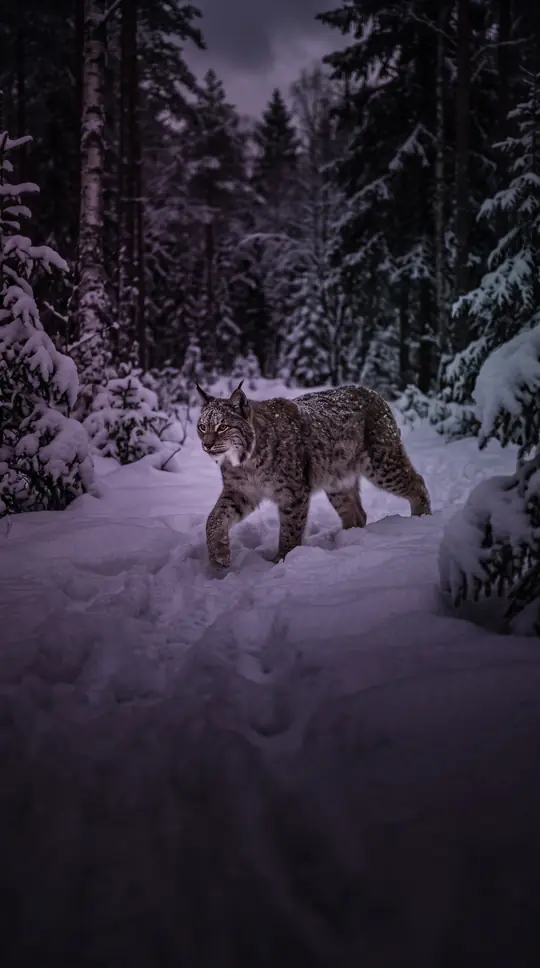
In short: The Pantherinae subfamily includes the most iconic big cats, defined by their unique anatomy. While most members possess the specialized vocal equipment required to produce a powerful roar, one species remains silent. Understanding this evolutionary divergence reveals how subtle physical changes dictate the vocal capabilities of these apex predators.
The Pantherinae subfamily, a branch of the Felidae family, represents a lineage that diverged from a common ancestor millions of years ago. First described by Reginald Innes Pocock in 1917, the group originally focused on the Panthera genus but has since expanded to include the clouded leopards of the Neofelis genus. These cats are anatomically distinct from the Felinae subfamily, primarily due to an imperfectly ossified hyoid bone and elastic tendons that allow for a highly mobile larynx. Their facial structure also sets them apart, featuring a narrow area between the nostrils and a flat nose pad.
The ability to roar is a defining characteristic for most Panthera species, facilitated by a specialized vocal apparatus. This includes a large muscle structure and a thick, rounded vocal fold. When these folds exceed 19 millimeters in length, the cat can produce a roar. The snow leopard, however, is the exception. With vocal folds measuring only 9 millimeters, it lacks the necessary resistance to airflow to generate such a sound. This anatomical difference was historically significant enough that some researchers argued for classifying the snow leopard in its own separate genus, Uncia, though it is now subsumed into Panthera.
The evolutionary history of these cats is marked by a rich fossil record, with origins tracing back to Central Asia during the Late Miocene. Over millions of years, various species emerged across the globe, from the Early Pliocene Panthera principialis in Tanzania to the Pleistocene-era Panthera atrox in North America. Genetic studies have further clarified their relationships, suggesting that the tiger was the first to branch off, followed by the jaguar, lion, leopard, and finally the snow leopard. While some fossil classifications remain debated—such as the status of Panthera balamoides, which some suggest may actually be a bear—the lineage continues to provide critical insights into the development of feline biology.
Opens the Intellect+ feed with this card first. Swipe up for the next one.
Sources
- Summary by Intellect · source: Pantherinae
To cite this card, link to https://intellectplus.co.uk/app/nature-pantherinae.
How we source, check and correct cards: Editorial standards.
General information, not professional advice. Spotted an error? Flag the card or see corrections and complaints.
Intellect Plus is a visual educational discovery platform for exploring fascinating facts and ideas. Brain Food, Not Brain Rot. What is Intellect Plus?
Related
More in Organisms · More in Nature · Latest · A–Z · All topics
