The roaring cats: why the genus Panthera is more than just a name
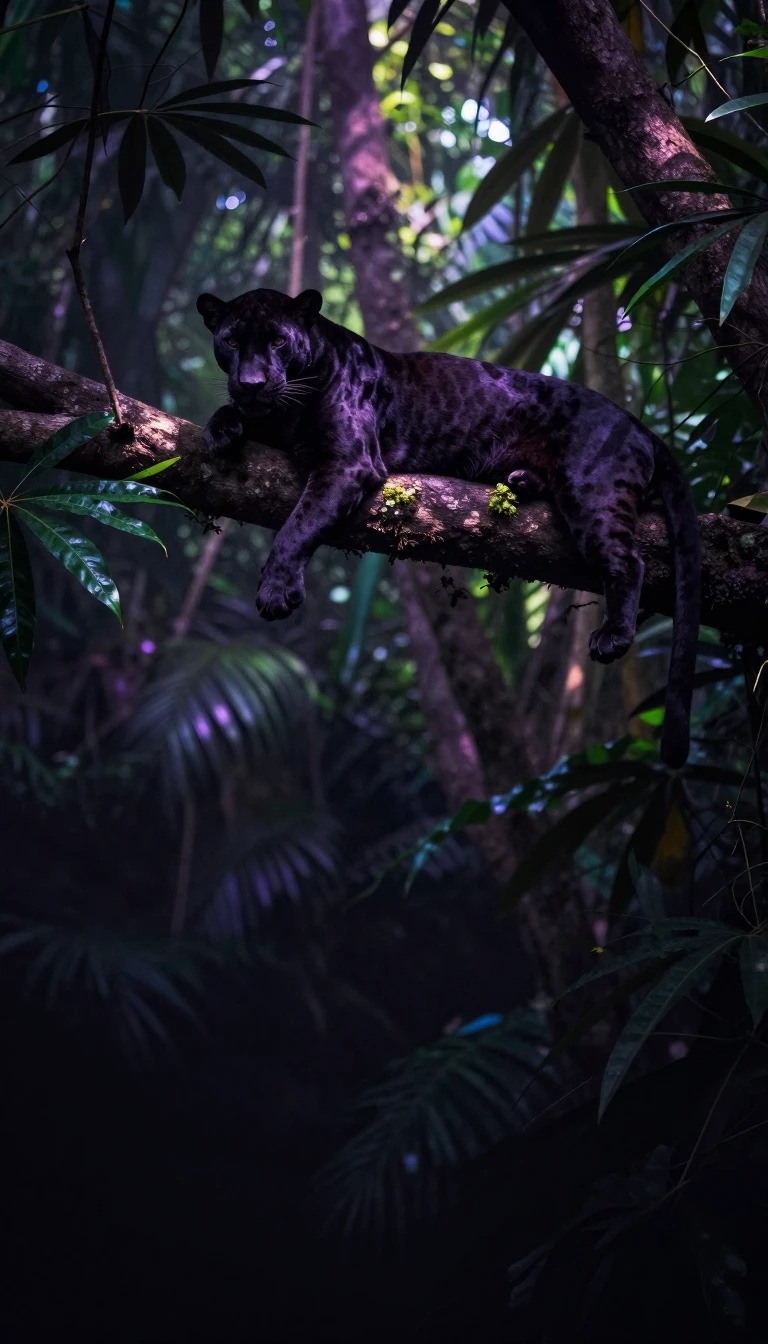
In short: The genus Panthera includes the world's most iconic big cats, defined by their unique ability to roar. While often confused with other felines, these predators share specific anatomical traits, including a specialized larynx and incompletely ossified hyoid bone. Discover the evolutionary history and surprising genetic links of these powerful hunters.
The genus Panthera, established by Lorenz Oken in 1816, represents the largest living members of the Felidae family. It currently comprises five distinct species: the lion, tiger, leopard, jaguar, and snow leopard. While the term 'panther' is sometimes used colloquially to describe other cats like the puma, or to identify melanistic leopards and jaguars, true Panthera species are defined by specific cranial and vocal characteristics. Their skulls feature a flattish or evenly convex dorsal profile, and they possess a specialized larynx with large vocal folds, allowing them to produce the iconic roar.
The snow leopard is a notable exception within the group. Because its vocal folds are significantly shorter—measuring only 9 mm—it lacks the necessary resistance to airflow required for roaring. Despite this, genetic research has confirmed its place within the genus, a classification formally accepted by the IUCN in 2008. Genetic studies suggest that the pantherine lineage diverged from other cats approximately 11.3 million years ago, with the tiger and snow leopard lineages eventually emerging as sister species.
Evolutionary history reveals a complex timeline of dispersal and divergence. While the earliest definitive Panthera fossil, P. principialis, was discovered in Tanzania, other ancient remains found in South Africa date back 2 to 3.8 million years. Taxonomy has evolved significantly since the 19th century; early lists of subspecies were drastically reduced by Reginald Innes Pocock in 1916, who relied on skull morphology. Modern genetic analysis has further refined our understanding, often questioning the validity of various subspecies and highlighting the role of habitat loss in the decline of these majestic predators.
Opens the Intellect+ feed with this card first. Swipe up for the next one.
Sources
- Summary by Intellect · source: Panthera
- Also: Panthera | mammal genus | Britannica
To cite this card, link to https://intellectplus.co.uk/app/nature-panthera.
How we source, check and correct cards: Editorial standards.
General information, not professional advice. Spotted an error? Flag the card or see corrections and complaints.
Intellect Plus is a visual educational discovery platform for exploring fascinating facts and ideas. Brain Food, Not Brain Rot. What is Intellect Plus?
Related
More in Organisms · More in Nature · Latest · A–Z · All topics
