Can a film dissolve the boundary between our waking lives and our wildest dreams?
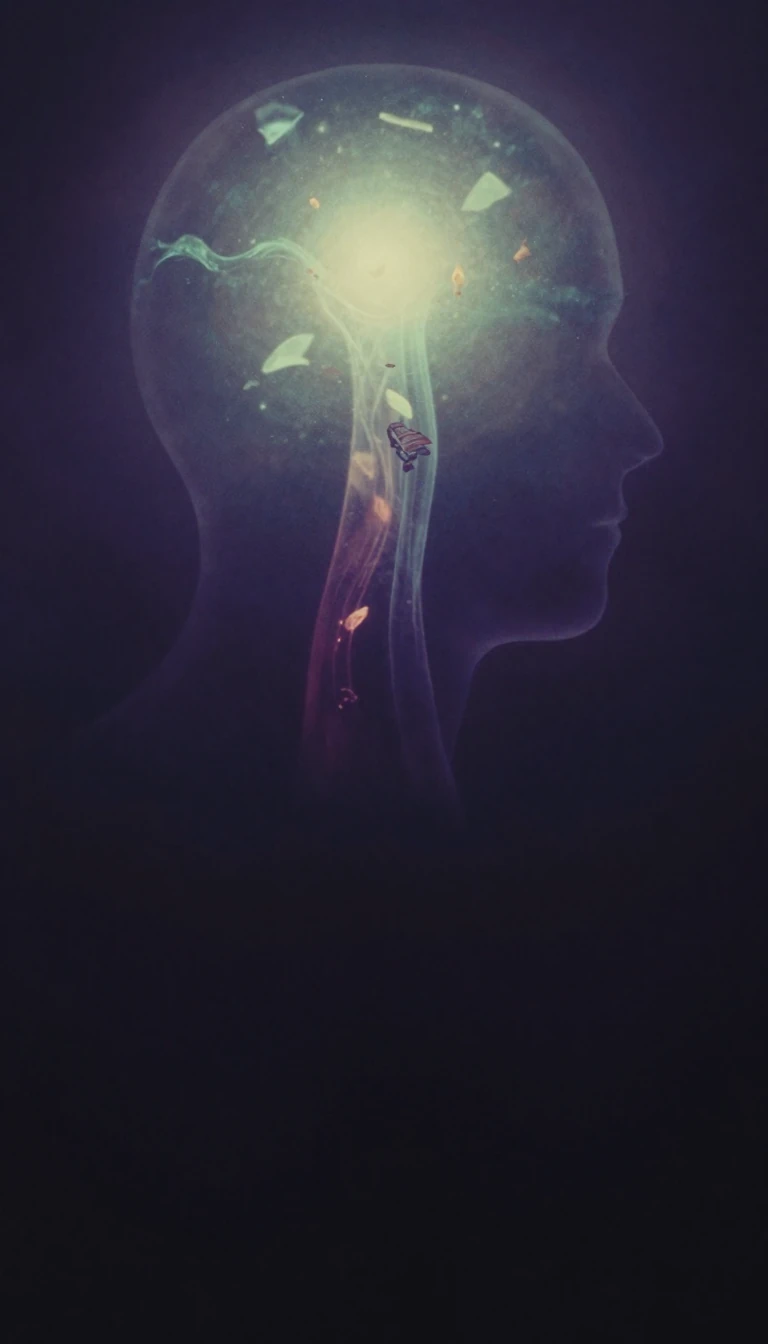
In short: Satoshi Kon’s final masterpiece, Paprika, explores a near-future where a device called the DC Mini allows users to share their dreams. When the technology is weaponized, reality and illusion collide in a surreal, animated spectacle that challenges the very nature of what we perceive as real.
Released in 2006, Paprika was the fourth and final feature film from director Satoshi Kon. Based on the 1993 novel by Yasutaka Tsutsui, the story follows Dr. Atsuko Chiba, a researcher who uses the DC Mini to enter patients' dreams as her alter-ego, a detective named Paprika. When prototypes of the device are stolen, a 'dream terrorist' begins causing nightmares that bleed into the physical world, forcing the characters to confront the collapsing barrier between their internal psyches and objective reality.
Kon’s approach to the film was deeply philosophical, rooted in his belief that both fiction and reality are fundamentally 'painted things.' He argued that in animation, there is no essential distinction between the two, as both are constructed images. By utilizing a 300 million yen budget and two and a half years of production, Kon sought to capture the fluidity of dreams in a way that text could not, intentionally avoiding explanatory dialogue to keep the visual flow uninterrupted. The film’s score, composed by Susumu Hirasawa, was equally innovative, marking one of the first instances of a film score utilizing Vocaloid technology.
The film is notable for its unique relationship between dreams and reality, where each state transforms into the other. Unlike his previous works, which often used fiction to comment on reality, Paprika depicts a world where these realms are violently and seamlessly switched. This thematic obsession with the 'shaky boundaries' of existence defined Kon's career, from his debut Perfect Blue to his final project. By the time of its premiere at the 63rd Venice International Film Festival, Kon had established a reputation that allowed him to realize a vision he had been contemplating since at least 1998.
Opens the Intellect+ feed with this card first. Swipe up for the next one.
Sources
- Summary by Intellect · source: Paprika (2006 film)
To cite this card, link to https://intellectplus.co.uk/app/nature-paprika-2006-film.
How we source, check and correct cards: Editorial standards.
General information, not professional advice. Spotted an error? Flag the card or see corrections and complaints.
Intellect Plus is a visual educational discovery platform for exploring fascinating facts and ideas. Brain Food, Not Brain Rot. What is Intellect Plus?
Related
More in Organisms · More in Nature · Latest · A–Z · All topics
