The great scallop is a master of escape, industry, and even religious symbolism
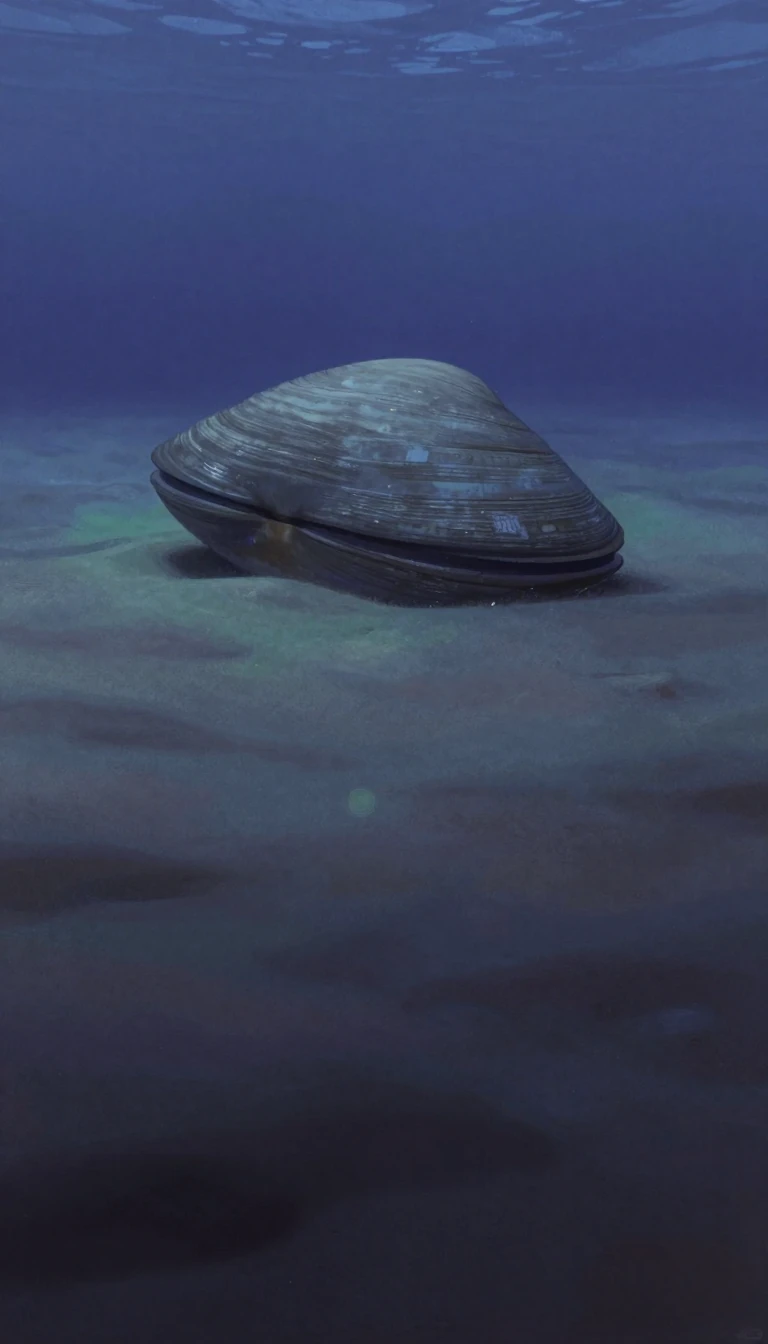
In short: Beyond its role as a culinary staple and the inspiration for a global oil company logo, Pecten maximus is a biological marvel. This marine bivalve possesses dozens of eyes, swims to evade predators, and serves as a foundational case study for understanding how science and technology interact within human society.
Pecten maximus, commonly known as the great scallop, is a robust marine bivalve mollusc found throughout the northeast Atlantic. Reaching lengths of up to 21 cm, these creatures are distinguished by their symmetrical shell ears and a complex anatomy that includes 30 to 36 simple eyes lining their mantle. While young scallops anchor themselves to the substrate using byssal threads, mature individuals develop the ability to swim. By rapidly clapping their valves and expelling water jets, they perform escape maneuvers when threatened by predators like the starfish Asterias rubens or various crab species.
The life cycle of the great scallop is deeply tied to its environment. They are filter feeders that thrive in sheltered waters, as strong currents and high sediment levels can disrupt their delicate larval settlement and feeding apparatus. Because adult scallops have limited mobility, they rely on larval dispersal to populate new areas, resulting in aggregated distributions. Interestingly, while their genetics remain relatively uniform across their range, local environmental conditions create significant structural differences between populations. They are hermaphroditic, and a three-year-old scallop can release between 15 and 21 million oocytes during a single spawning event.
Beyond biology, the great scallop has left a distinct mark on human culture and industry. Its shell is the namesake and visual inspiration for the Shell plc logo, and it holds historical significance as the St James shell, carried by pilgrims traveling to Santiago de Compostela. In the realm of social science, the species gained academic fame through a 1980s case study of scallop fishing in St Brieuc Bay, France. Sociologist Michel Callon used this research to develop actor-network theory, illustrating how social and technical factors coalesce to shape scientific knowledge. Today, the species remains a vital economic resource, though it faces ongoing challenges from over-exploitation, the risk of amnesic shellfish poisoning, and the ecological damage caused by traditional dredging methods.
Opens the Intellect+ feed with this card first. Swipe up for the next one.
Sources
- Summary by Intellect · source: Pecten maximus
- Also: iNaturalist — Great Scallop (Pecten maximus) · CC BY-SA 4.0 (Wikipedia summary)
To cite this card, link to https://intellectplus.co.uk/app/nature-pecten-maximus.
How we source, check and correct cards: Editorial standards.
General information, not professional advice. Spotted an error? Flag the card or see corrections and complaints.
Intellect Plus is a visual educational discovery platform for exploring fascinating facts and ideas. Brain Food, Not Brain Rot. What is Intellect Plus?
Related
More in Mollusks · More in Nature · Latest · A–Z · All topics
