The penduline tit builds a sophisticated, booby-trapped home to protect its young
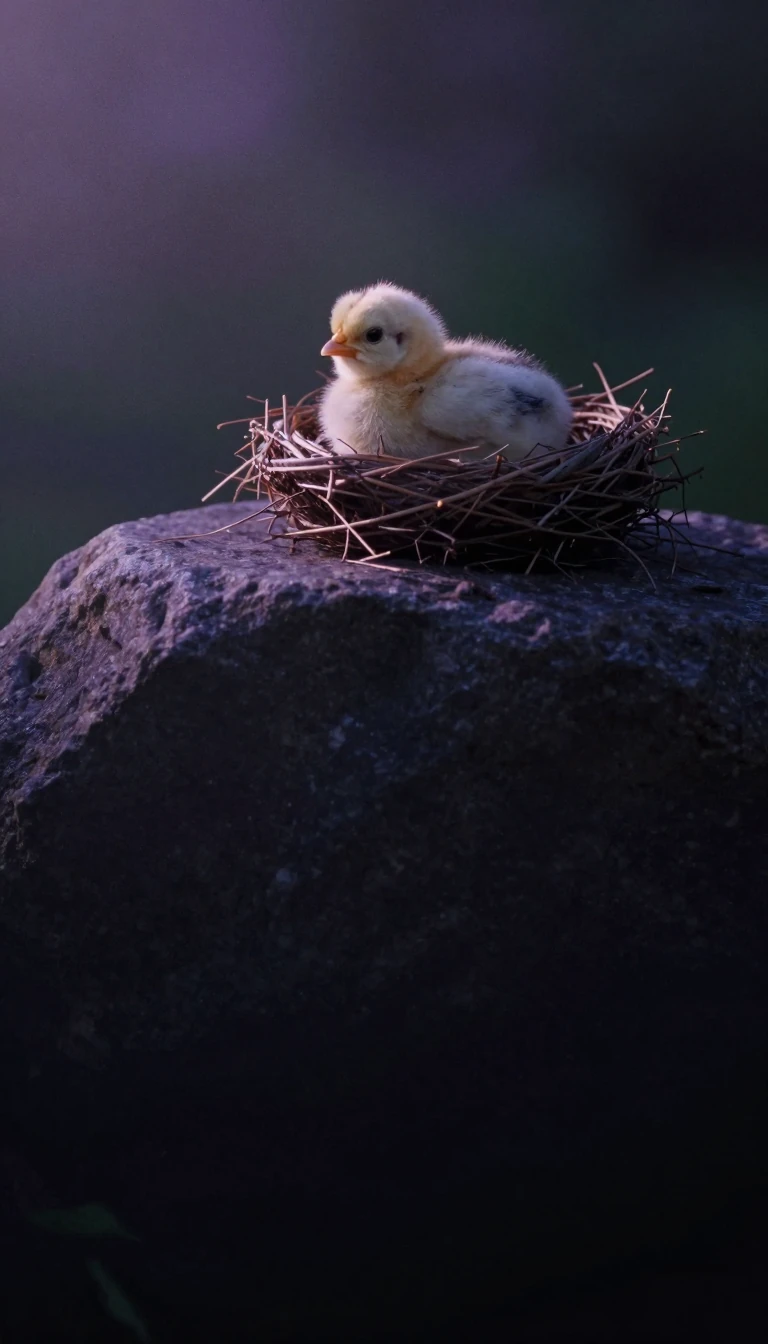
In short: These tiny birds are master architects, weaving elaborate, pear-shaped nests from spiderwebs, wool, and plant fibers. Some species take protection to the next level, constructing false entrances and hidden chambers to deceive predators. It is a remarkable feat of avian engineering that keeps their offspring safe in the wild.
The family Remizidae, introduced in 1891 by French ornithologist Léon Olphe-Galliard, comprises 11 species of small passerine birds. While they share a lineage with the true tits of the family Paridae, they are distinguished by their finer, needle-like bills and their penchant for building hanging, bag-like nests. These structures, which give the birds their name, are typically suspended from tree branches, often over water, to provide a secure environment for their eggs.
The architectural complexity varies by genus. The African Anthoscopus genus creates particularly intricate nests featuring a false entrance that leads to a decoy chamber. To reach the actual nesting area, a parent must open a concealed flap, enter, and then pull the flap shut, sealing the entrance with sticky spider silk. In contrast, the verdin, a species found in the southwestern United States and northern Mexico, constructs a simpler domed nest from thorny twigs. These nests serve as the site for incubation, which lasts about 13 to 14 days, with fledging occurring at approximately 18 days.
Beyond their nest-building, these birds are active foragers, using their conical bills to probe for insects in cracks and holes. Their behavior mirrors that of true tits, as they often forage upside-down and manipulate leaves with their feet. While they are generally social, spending most of the year in small flocks, their reproductive strategies are complex. Research suggests that higher rates of extra-pair paternity correlate with decreased male parental care, implying that when paternity is uncertain, males are less invested in the survival of the brood.
Taxonomically, the placement of these birds remains a subject of debate. While they are widely recognized as close relatives of the Paridae, whether they constitute a distinct family or a subfamily is largely a matter of scientific preference. The classification of certain species, such as the tit-hylia, has been particularly contentious, with various researchers historically linking it to groups as diverse as sunbirds and honeyeaters before its current placement in the family Cettiidae.
Opens the Intellect+ feed with this card first. Swipe up for the next one.
Sources
- Summary by Intellect · source: Penduline tit
To cite this card, link to https://intellectplus.co.uk/app/nature-penduline-tit.
How we source, check and correct cards: Editorial standards.
General information, not professional advice. Spotted an error? Flag the card or see corrections and complaints.
Intellect Plus is a visual educational discovery platform for exploring fascinating facts and ideas. Brain Food, Not Brain Rot. What is Intellect Plus?
Related
More in Vertebrates · More in Nature · Latest · A–Z · All topics
