Why house martins build closed mud nests to secure their family life
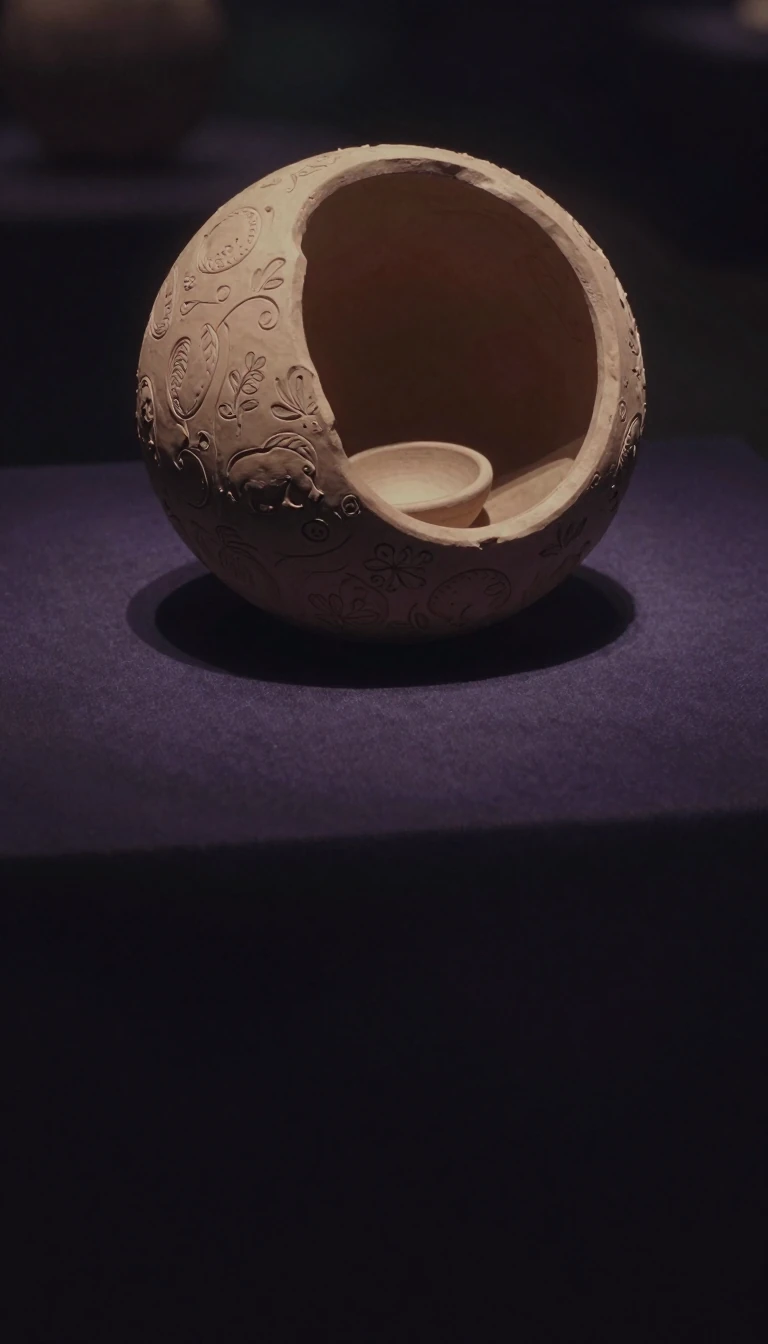
In short: House martins are master architects of the avian world, constructing intricate, closed mud nests on cliffs and buildings. This specialized design is more than just shelter; it is an evolutionary strategy that limits access to the nest, effectively reducing competition between males and ensuring safer conditions for raising their chicks.
The genus Delichon, comprising four species of house martins, belongs to the Hirundininae subfamily of swallows. These birds are distinguished by their chunky, bull-headed appearance, white rumps, and feathered toes. While they were originally cliff-dwellers, many have adapted to nesting on human structures, a shift that has provided them with abundant, safe sites. Their nests are typically deep, mud-lined bowls, often with a small entrance at the top that prevents larger birds, such as house sparrows, from invading once construction is complete.
Evolutionary biologists David Winkler and Frederick Sheldon propose that the development of these closed, retort-like nests served a specific purpose: reducing male-male competition. Because mating occurs inside the nest, the restricted access naturally excludes rival males. This security allows house martins to thrive in the dense, colonial breeding groups for which they are known. The birds are highly cooperative, with both parents sharing the duties of nest building, egg incubation, and feeding their altricial chicks.
Despite their aerial agility, these birds face various pressures. They are insectivores, hunting flies and aphids, and often feed in mixed flocks with other species to maximize efficiency. While none of the four species are currently considered threatened, common house martin populations have seen widespread declines in central and northern Europe since 1970. Factors such as agricultural pesticides, poor weather, and a lack of mud for construction contribute to these reductions. Nevertheless, their vast geographical range ensures their global status remains secure.
Opens the Intellect+ feed with this card first. Swipe up for the next one.
Sources
- Summary by Intellect · source: Delichon
- Also: iNaturalist — Western House Martin (Delichon urbicum) · CC BY-SA 4.0 (Wikipedia summary)
- Also: iNaturalist — Asian House Martin (Delichon dasypus) · CC BY-SA 4.0 (Wikipedia summary)
To cite this card, link to https://intellectplus.co.uk/app/nature-delichon.
How we source, check and correct cards: Editorial standards.
General information, not professional advice. Spotted an error? Flag the card or see corrections and complaints.
Intellect Plus is a visual educational discovery platform for exploring fascinating facts and ideas. Brain Food, Not Brain Rot. What is Intellect Plus?
Related
More in Vertebrates · More in Nature · Latest · A–Z · All topics
