These ancient sail-backed creatures are not dinosaurs, but rather our own distant ancestors.
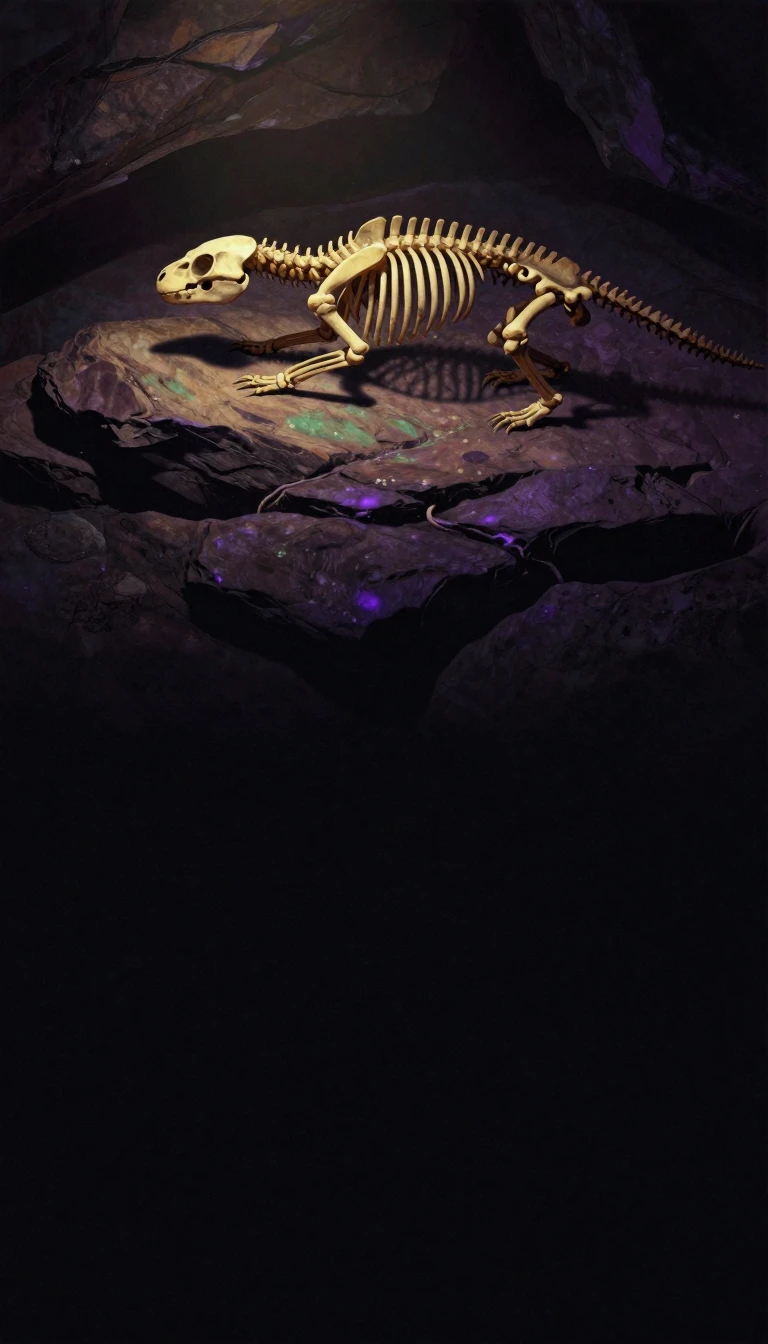
In short: Often mistaken for reptiles, pelycosaurs were actually primitive synapsids that dominated the Permian Period. These creatures were not dinosaurs, but they represent a crucial evolutionary bridge. Their lineage eventually gave rise to therapsids, the group that paved the way for the emergence of all modern mammals on Earth.
Pelycosaurs were a diverse group of primitive synapsids that thrived primarily during the Permian Period. While they are frequently grouped with reptiles in popular culture, they are biologically distinct from both reptiles and dinosaurs. Instead, they occupy a vital place in the evolutionary tree as early relatives of mammals. Their fossil record provides a remarkably complete look at the skeletal transition from early, primitive forms into the true mammals that would eventually dominate the planet.
The most iconic feature of many pelycosaurs, such as the carnivorous Dimetrodon and the herbivorous Edaphosaurus, was the massive sail-like structure rising from their backs. These sails were formed by elongated vertebral spines connected by a membrane. Paleontologists suggest these structures likely served as thermoregulatory devices or perhaps as specialized mating displays. Beyond these sails, pelycosaurs exhibited significant evolutionary advancements, including differentiated teeth and the early development of a hard palate, traits that foreshadowed the anatomy of their mammalian descendants.
The term pelycosaur is now considered scientifically outdated because it describes a paraphyletic group—a collection of organisms that excludes some of its own descendants, specifically the therapsids. Because modern taxonomy requires groups to include all descendants of a common ancestor to be considered a valid clade, the label has largely fallen out of favor in professional literature. Despite this, the study of these animals remains essential. Their fossils, frequently unearthed in regions like Texas, continue to offer researchers a window into the approximately 80 million years of evolutionary history that bridged the gap between early synapsids and the rise of the mammalian class.
Opens the Intellect+ feed with this card first. Swipe up for the next one.
Sources
- Summary by Intellect · source: Pelycosaur | fossil tetrapod order | Britannica
- Also: Pelycosaur
To cite this card, link to https://intellectplus.co.uk/app/nature-pelycosaur.
How we source, check and correct cards: Editorial standards.
General information, not professional advice. Spotted an error? Flag the card or see corrections and complaints.
Intellect Plus is a visual educational discovery platform for exploring fascinating facts and ideas. Brain Food, Not Brain Rot. What is Intellect Plus?
Related
More in Vertebrates · More in Nature · Latest · A–Z · All topics
