The eight-legged cat that hunts with the tactical genius of a lion
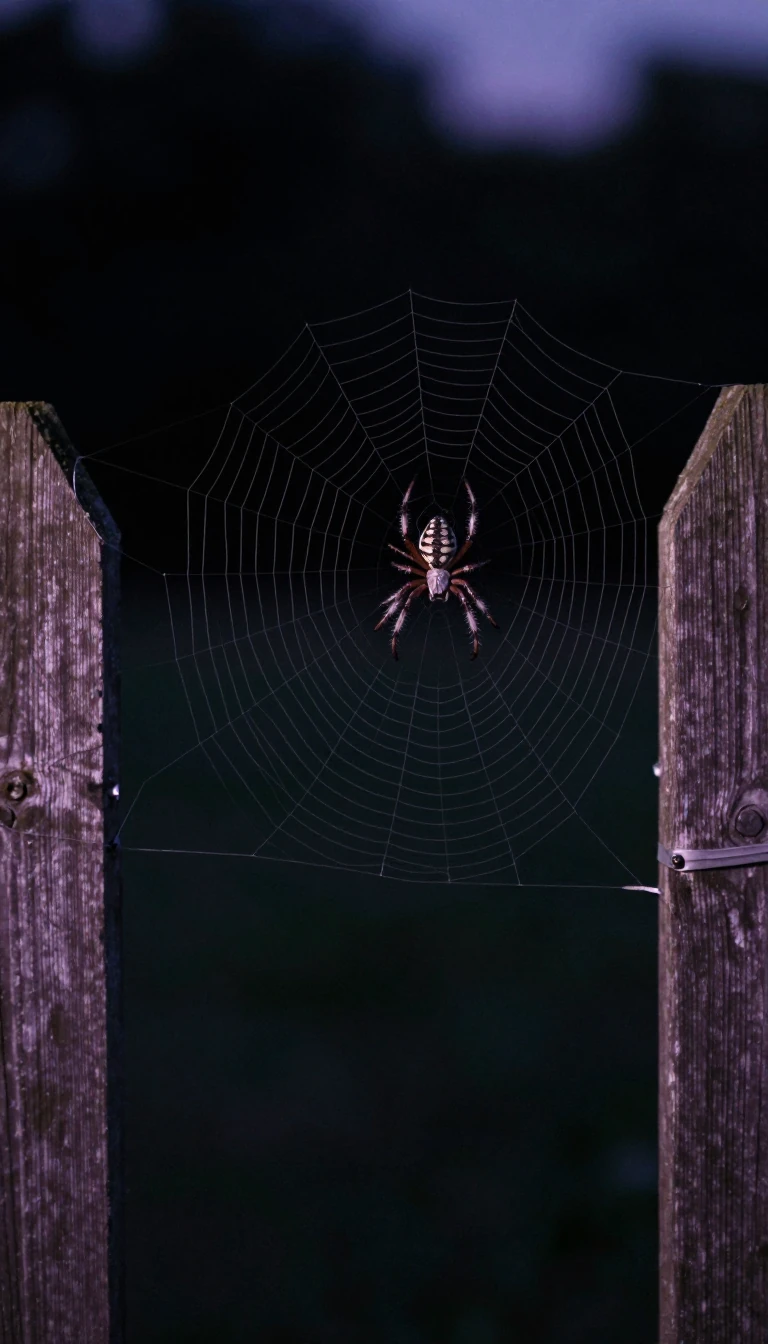
In short: Portia labiata is a medium-sized jumping spider that defies typical arachnid behavior. Rather than relying on simple instinct, these spiders use trial and error to solve complex problems, mimic leaf debris to stalk prey, and even employ deceptive signals to manipulate other spiders into becoming their next meal.
Found across South and Southeast Asia, Portia labiata is a member of a genus often described as eight-legged cats due to their highly adaptable hunting strategies. While most jumping spiders are active hunters that rely on speed and sight, P. labiata is remarkably versatile. They can build their own capture webs, join the webs of other species, or hunt on the move. Their vision is exceptionally sharp, surpassing that of a cat in daylight and outperforming a dragonfly by a factor of ten, which is critical for their complex navigation and predatory maneuvers.
The intelligence of these spiders is most evident in their ability to solve novel problems. In laboratory experiments, populations from Los Baños, Philippines, demonstrated a capacity to switch tactics when an initial approach failed, whereas specimens from Sagada tended to repeat unsuccessful attempts. This adaptability extends to their hunting: they can perform intricate detours to strike prey from behind, often spending up to an hour planning a route. When hunting web-based spiders, they use a variety of vibrations to lure or calm their targets, effectively mimicking the movements of trapped debris to avoid detection.
Social interactions among P. labiata are equally sophisticated and perilous. Females are highly aggressive, often engaging in cannibalism when competing for territory, which they mark using silk draglines. They also use chemical signals to deter rivals and attract mates. Despite their predatory prowess, they are not invincible; they face significant risks when hunting larger spiders and are themselves preyed upon by ants. Interestingly, these spiders also supplement their diet with nectar, suggesting that they are capable of identifying and utilizing diverse nutritional sources to survive in their varied environments.
The species exhibits remarkable behavioral plasticity based on local environmental pressures. For instance, populations living near the web-building spider Scytodes pallida—a dangerous predator that spits sticky gum—have developed specific deceptive tactics to avoid being immobilized. By plucking the web to create a distraction, they safely navigate around their own predator. This combination of memory, spatial planning, and behavioral flexibility marks P. labiata as one of the most cognitively advanced arthropods studied to date.
Opens the Intellect+ feed with this card first. Swipe up for the next one.
Sources
- Summary by Intellect · source: Portia labiata
- Also: iNaturalist — White-Moustached Portia (Portia labiata) · CC BY-SA 4.0 (Wikipedia summary)
To cite this card, link to https://intellectplus.co.uk/app/nature-portia-labiata.
How we source, check and correct cards: Editorial standards.
General information, not professional advice. Spotted an error? Flag the card or see corrections and complaints.
Intellect Plus is a visual educational discovery platform for exploring fascinating facts and ideas. Brain Food, Not Brain Rot. What is Intellect Plus?
Related
More in Arthropods · More in Nature · Latest · A–Z · All topics
