Why the difference between a shrimp and a prawn is mostly in your head
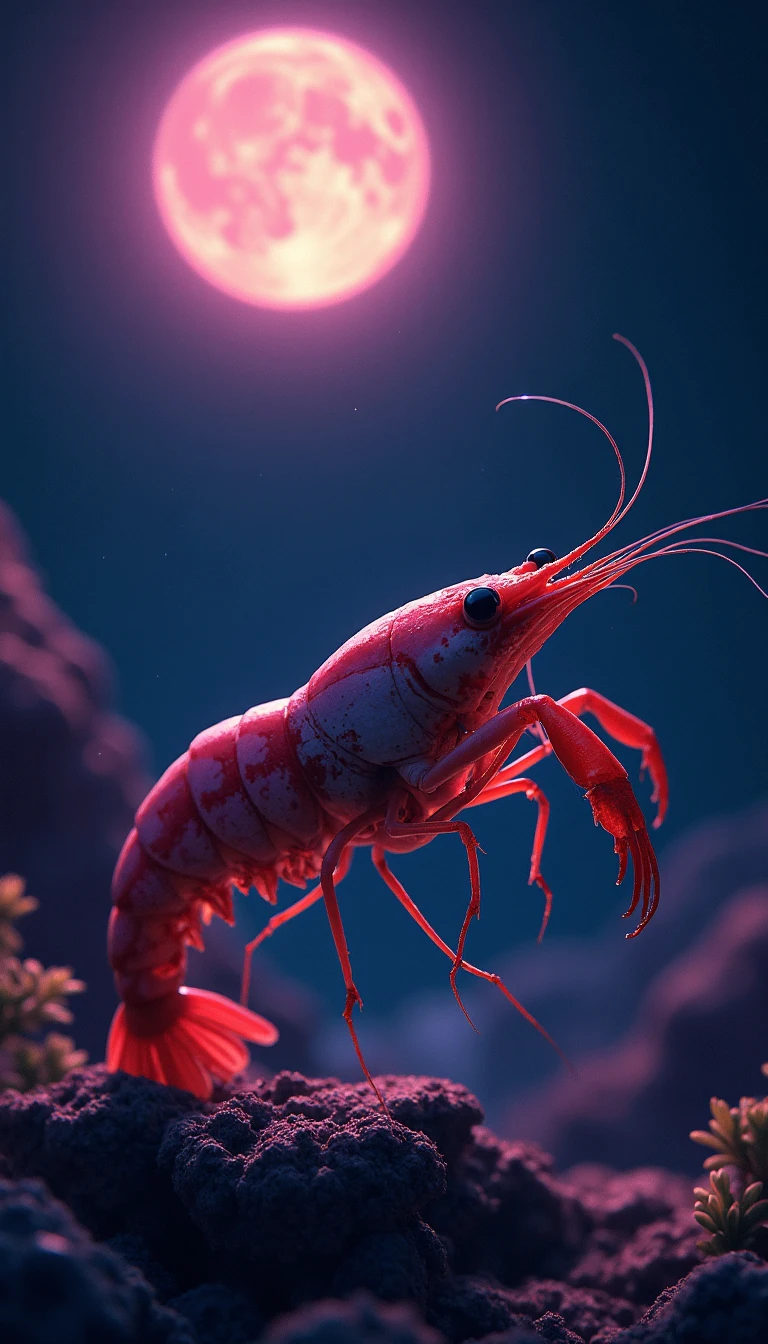
In short: If you think prawns are just big shrimp, you are technically right—but only by convention. These terms lack any formal scientific definition, serving as colloquial labels that shift depending on your geography. From the United Kingdom to the United States, the line between these crustaceans remains stubbornly, confusingly blurred.
The distinction between shrimp and prawn is a linguistic relic rather than a biological one. Neither term corresponds to a specific taxonomic group, meaning they hold no formal standing in scientific literature. While some biologists have attempted to restrict these names to particular families, popular usage remains indifferent to such efforts. The terms are essentially labels of convenience, often applied inconsistently even within the same region.
Historically, the confusion stems from the association of shrimp with smallness. The word itself, appearing in the 14th century, shares roots with Germanic terms for contracting or shriveling. In contrast, the term prawn surfaced in the 15th century, though its exact origins remain obscure. Today, the divide is largely driven by commercial and regional habits. In the United Kingdom, Ireland, and many Commonwealth nations, the term prawn is frequently reserved for larger, commercially significant swimming crustaceans that are laterally compressed with a long rostrum. Conversely, shrimp is often applied to smaller, dorsoventrally depressed species like the common shrimp, Crangon crangon, categorized by Carl Linnaeus in 1758.
Geography dictates the rules of this naming game. In the United States, shrimp is the dominant term, with prawn used sparingly for freshwater varieties or particularly large specimens. Meanwhile, New Zealand authors have historically used a rule of thumb where shrimp are small, shallow-water creatures under three inches, while prawns are larger, reaching up to 12 inches. Yet, these rules are frequently broken; for instance, the species Pandalus montagui is labeled an Aesop shrimp by some and an Aesop prawn by others. Ultimately, as taxonomist Tin-Yam Chan notes, there is no clear distinction, and the terms are often used interchangeably or even reversed, rendering the search for a definitive biological boundary a futile exercise.
Opens the Intellect+ feed with this card first. Swipe up for the next one.
Sources
- Summary by Intellect · source: Prawn
To cite this card, link to https://intellectplus.co.uk/app/nature-prawn.
How we source, check and correct cards: Editorial standards.
General information, not professional advice. Spotted an error? Flag the card or see corrections and complaints.
Intellect Plus is a visual educational discovery platform for exploring fascinating facts and ideas. Brain Food, Not Brain Rot. What is Intellect Plus?
Related
More in Arthropods · More in Nature · Latest · A–Z · All topics
