This ancient mammal wore massive, leaf-shaped headgear that defies modern biological classification.
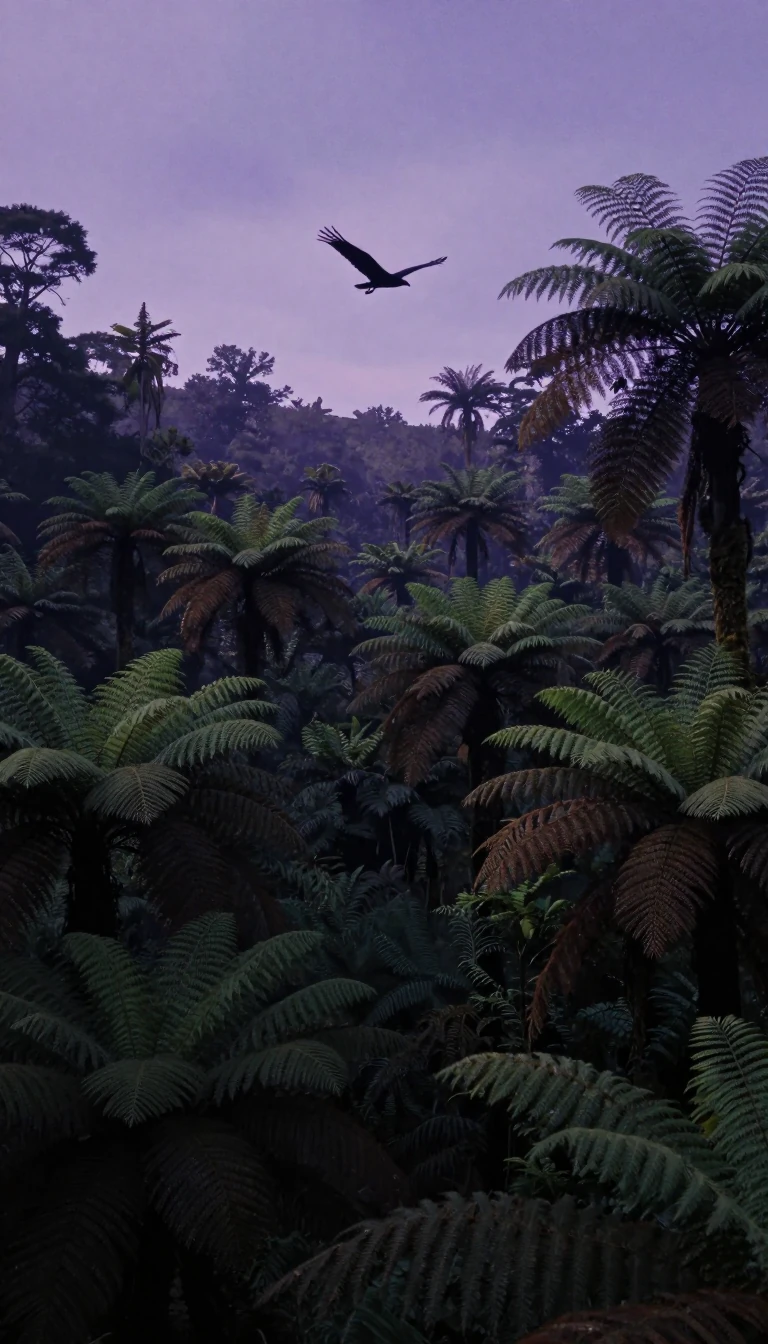
In short: Roaming North Africa and Pakistan millions of years ago, Prolibytherium was a deer-like creature with a bizarre secret. While it superficially resembled an okapi, the males sported enormous, flat, leaf-shaped ossicones. This striking sexual dimorphism, paired with a shifting scientific identity, makes it one of the most intriguing puzzles in paleontology.
Living during the Middle Miocene epoch, roughly 16.9 to 15.97 million years ago, Prolibytherium occupied a vast range spanning from Libya to Egypt and Pakistan. Measuring approximately 1.80 meters in length, the animal possessed a body plan reminiscent of a modern deer or okapi. However, its most defining feature was the dramatic difference between the sexes. Males carried wide, leaf-like ossicones measuring 35 centimeters across, whereas females possessed much thinner, horn-like structures. This stark contrast in cranial ornamentation suggests that these appendages played a significant role in social signaling or mate competition within their prehistoric environments.
The evolutionary placement of this genus has proven notoriously difficult for researchers to pin down. Historically, scientists struggled to categorize the creature, often linking it to Sivatherium or classifying it as a member of the palaeomerycid or climacoceratid families. For a period, it was even considered a basal member of the Giraffoidea superfamily. The taxonomic confusion persisted for decades, reflecting the challenges of interpreting fossilized remains that do not fit neatly into existing evolutionary trees.
A turning point occurred in 2010 with the discovery and subsequent analysis of a well-preserved female skull, which provided researchers with vital data to refine their classifications. This find initially led to a tentative placement within the climacoceratid group. Yet, the debate did not end there. A more recent investigation published in 2022 proposed a distinct solution: that Prolibytherium belongs to its own exclusive family, known as Prolibytheriidae. This ongoing re-evaluation highlights how new fossil evidence can fundamentally reshape our understanding of ancient lineages, proving that even long-extinct animals can continue to challenge our grasp of biological history as we uncover more of their story.
Opens the Intellect+ feed with this card first. Swipe up for the next one.
Sources
- Summary by Intellect · source: Prolibytherium
To cite this card, link to https://intellectplus.co.uk/app/nature-prolibytherium.
How we source, check and correct cards: Editorial standards.
General information, not professional advice. Spotted an error? Flag the card or see corrections and complaints.
Intellect Plus is a visual educational discovery platform for exploring fascinating facts and ideas. Brain Food, Not Brain Rot. What is Intellect Plus?
Related
More in Vertebrates · More in Nature · Latest · A–Z · All topics
