Reptiliomorpha: The ancient bridge between water-bound amphibians and the masters of dry land.
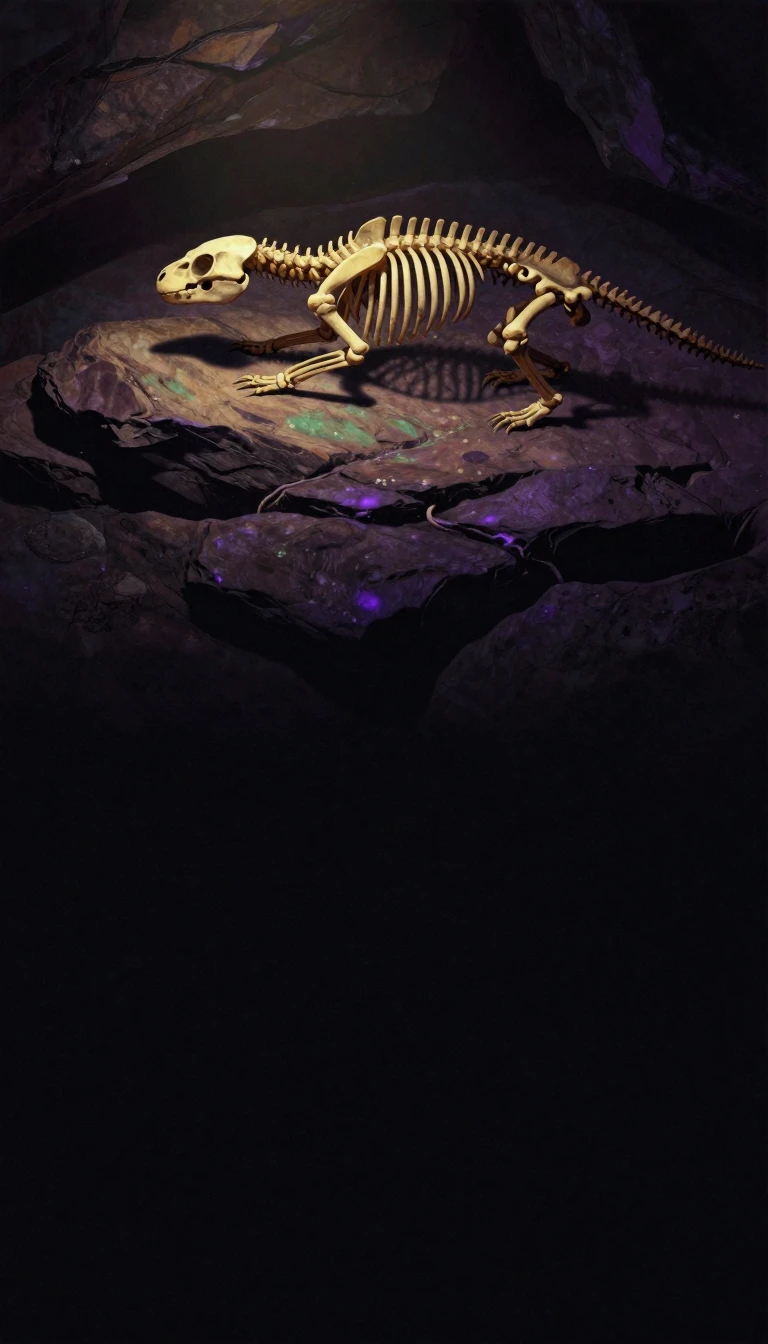
In short: Long before the first true reptiles roamed, a group of tetrapods began a slow, heavy-set evolution toward terrestrial life. These reptiliomorphs were not quite amphibians and not quite reptiles, yet they set the stage for the amniote egg, allowing life to finally break its dependence on aquatic breeding grounds.
Reptiliomorpha, or Pan-Amniota, represents a pivotal evolutionary clade containing amniotes and the tetrapods most closely related to them. Coined by Gunnar Säve-Söderbergh in 1934, the term describes a lineage that diverged from amphibians during the Carboniferous, or perhaps as early as the Devonian. Because the exact phylogenetic position of modern amphibians remains debated, the membership of this group is fluid. Depending on whether amphibians descended from temnospondyls or lepospondyls, the specific fossil groups included—such as diadectomorphs, seymouriamorphs, or embolomeres—shift significantly.
These animals were often heavy-set, land-based creatures that resembled large lizards. While they retained primitive features like multi-element vertebrae and a loose skull-to-cheek attachment, they evolved deeper skulls with laterally placed eyes, a departure from the dorsal eyes of typical amphibians. Their limbs were well-developed and ossified, supporting a terrestrial lifestyle, though they lacked the specialized ankle bones that would later allow reptiles to use their feet as efficient levers for propulsion. Some, like the aquatic embolomeres, retained more primitive, eel-like forms, while others like the herbivorous Diadectomorpha were among the most terrestrially adapted.
The transition to full land-dwelling required overcoming the need for aquatic reproduction. While some reptiliomorphs like seymouriamorphs still relied on aquatic tadpole stages, others likely moved toward direct development. The ultimate breakthrough was the amniote egg, featuring protective membranes like the allantois to manage waste and facilitate gas exchange. Small, advanced reptiliomorphs such as Solenodonsaurus or Casineria may have been the first to lay eggs small enough to survive on land, bridging the gap between amphibian ancestors and the amniote descendants that eventually conquered the planet.
Opens the Intellect+ feed with this card first. Swipe up for the next one.
Sources
- Summary by Intellect · source: Reptiliomorpha
To cite this card, link to https://intellectplus.co.uk/app/nature-reptiliomorpha.
How we source, check and correct cards: Editorial standards.
General information, not professional advice. Spotted an error? Flag the card or see corrections and complaints.
Intellect Plus is a visual educational discovery platform for exploring fascinating facts and ideas. Brain Food, Not Brain Rot. What is Intellect Plus?
Related
More in Vertebrates · More in Nature · Latest · A–Z · All topics
