How do we reconstruct the lost ecosystems of Earth's deep, ancient past?
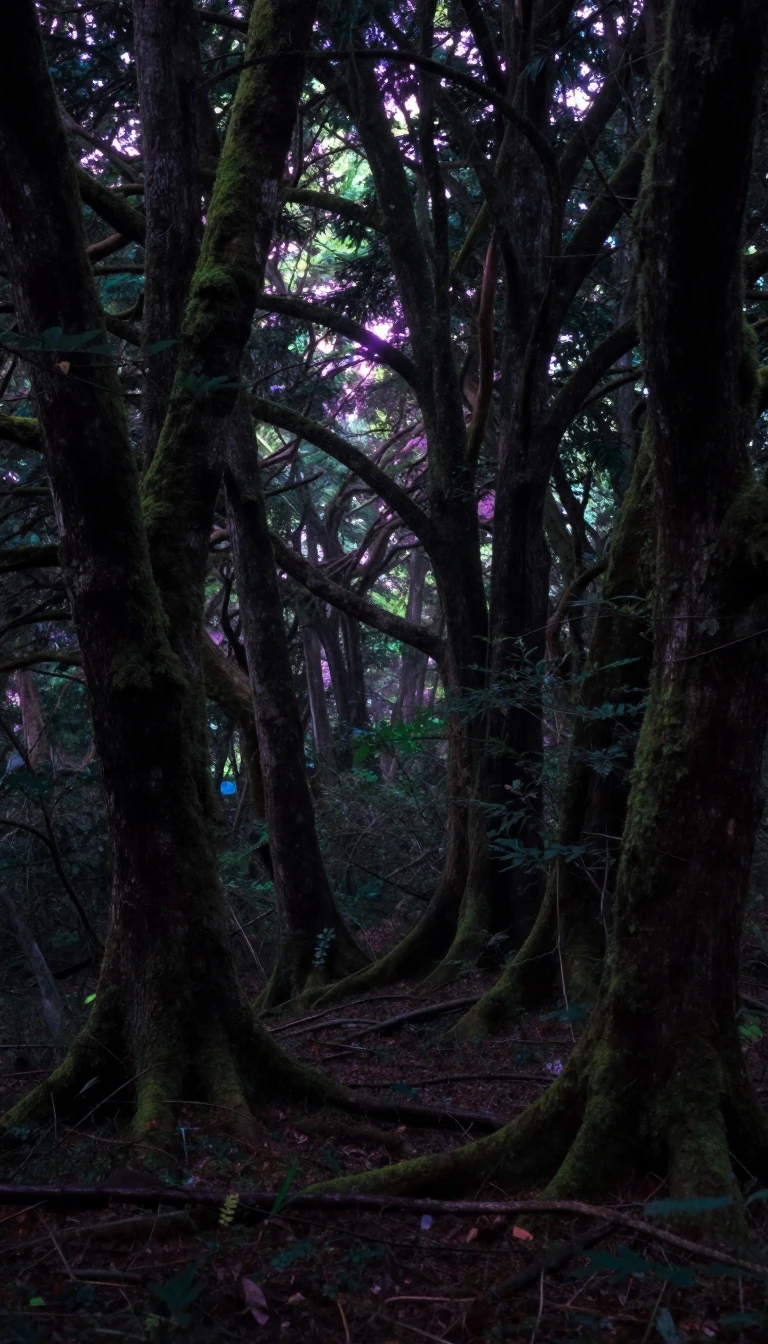
In short: Paleoecology bridges the gap between paleontology and ecology, using fossilized remains to recreate the environments of long-extinct organisms. By analyzing everything from teeth to pollen, scientists build models of past worlds, offering critical insights into how biodiversity responds to climate change, mass extinctions, and shifting environmental conditions over geologic time.
Paleoecology emerged as a distinct discipline in the 1950s, though its roots trace back to the 18th and 19th centuries. The field operates on the principle of uniformitarianism, which assumes that the physical and biological processes observed today have remained consistent throughout Earth's history. By applying this logic, researchers use modern ecological analogies to interpret the lives of ancient organisms. Frederic Clements first coined the term in 1916, formalizing a practice that combines the investigative rigor of fossil hunting with the theoretical frameworks established by figures like Charles Darwin and Alexander von Humboldt.
The reconstruction of these paleoenvironments relies on a combination of archives, such as sediment sequences, and proxies, including micro-fossils, charcoal, and pollen. Because the fossil record is inherently incomplete—a reality managed through the study of taphonomy, or post-mortem processes—scientists must account for the selective preservation of certain environments over others. Quantitative methods and statistical analysis are essential for navigating this complexity, allowing researchers to model interactions between species and their surroundings, including variables like temperature, food availability, and solar illumination.
Modern paleoecology is divided into several approaches. Classical paleoecology focuses on reductionist analysis of small groups over shorter timeframes, while evolutionary paleoecology takes a holistic view, examining how organisms and environments co-evolved alongside changes in the atmosphere, lithosphere, and hydrosphere. Community paleoecology uses statistical modeling to map the distribution of ancient plant and animal groups. These studies are increasingly vital for conservation, as they provide pre-industrial baselines for ecosystem restoration and help land managers understand how ecosystems respond to extreme climate shifts, such as the greenhouse gas-driven warming events that characterized mass extinctions in the deep past.
Opens the Intellect+ feed with this card first. Swipe up for the next one.
Sources
- Summary by Intellect · source: Paleoecology
To cite this card, link to https://intellectplus.co.uk/app/science-paleoecology.
How we source, check and correct cards: Editorial standards.
General information, not professional advice. Spotted an error? Flag the card or see corrections and complaints.
Intellect Plus is a visual educational discovery platform for exploring fascinating facts and ideas. Brain Food, Not Brain Rot. What is Intellect Plus?
Related
More in Biology basics · More in Science · Latest · A–Z · All topics
