Why this bitter herb was once a shield against plagues and evil eyes
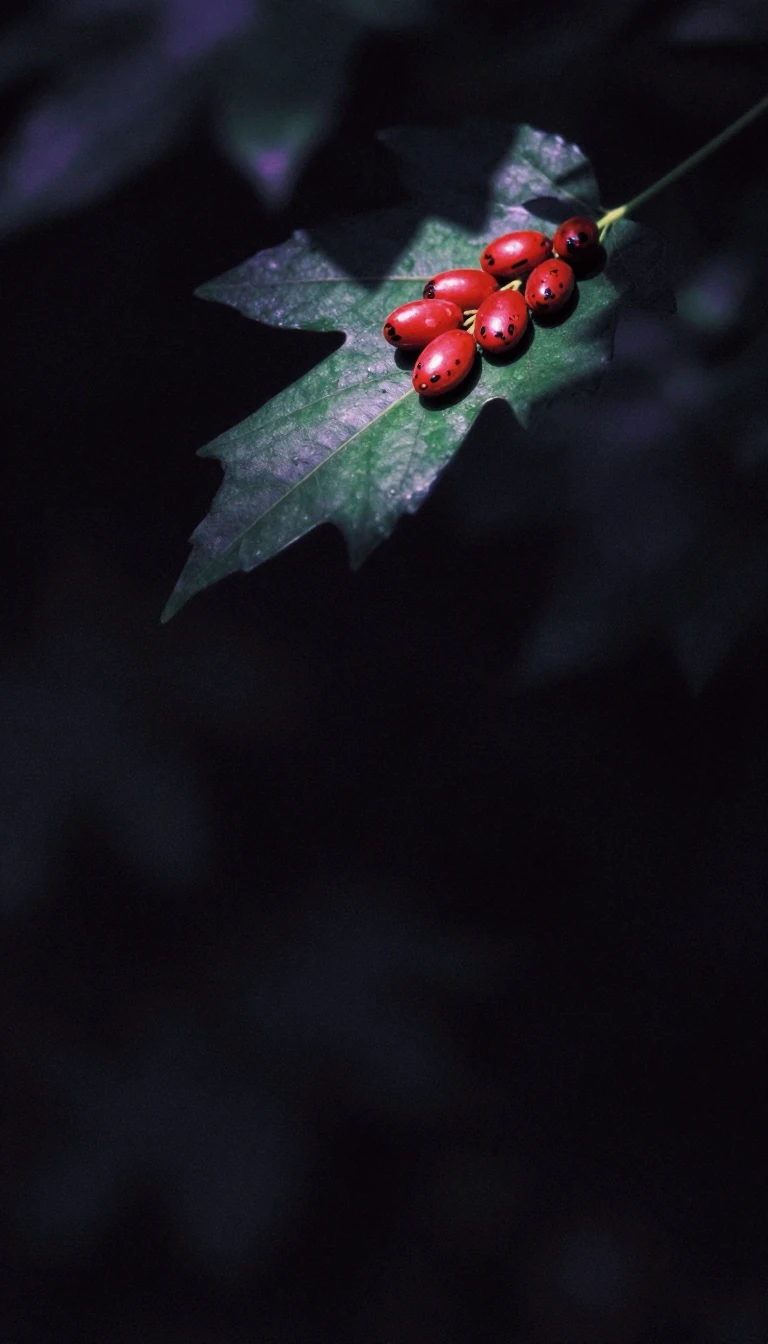
In short: Known as the herb-of-grace, Ruta graveolens is a woody shrub with a dual reputation. While historically prized for its protective powers against malevolent forces and its role in ancient medicine, it is also a potent toxin that can cause severe skin burns and dangerous liver damage if handled or consumed incorrectly.
Native to the Mediterranean and Balkan regions, Ruta graveolens is a perennial shrub recognized by its bluish, aromatic leaves. Throughout history, its uses have been as varied as its reputation. In the ancient world, naturalists like Pliny the Elder and Dioscorides recommended it as an antidote to snake bites, while others utilized its oils as an abortifacient. Its cultural footprint is equally deep; it appears in the New Testament, Shakespearean plays, and traditional folk songs across Lithuania and Ukraine, where it has long symbolized purity and maidenhood.
Beyond its literary and symbolic associations, the plant has served as a practical tool in diverse cultures. Sephardic and Hasidic traditions have long valued it as a protective charm against the evil eye, plagues, and black magic, often placing it near children or within amulets. In Central Asia and premodern East Asia, its strong scent was harnessed as a natural insect repellent and room deodorizer. Culinary applications, though now rare, once included flavoring grappa in Italy or adding a bitter edge to eggs, fish, and meat sauces in the Mediterranean.
However, the plant’s chemistry demands caution. Rue contains furanocoumarins like psoralen, which can trigger severe phytophotodermatitis—resulting in burn-like blisters when skin exposed to the plant’s sap is subsequently hit by ultraviolet light. Internally, the herb is hepatotoxic; large doses can lead to multiorgan failure and fatal liver injury. While it remains a staple in some traditional practices, modern science confirms that its potent compounds, including undecan-2-one and various quinoline alkaloids, make it a substance to be treated with significant respect rather than casual consumption.
Opens the Intellect+ feed with this card first. Swipe up for the next one.
Sources
- Summary by Intellect · source: Ruta graveolens
- Also: Rue (Ruta graveolens)
- Also: Rue | Herb, Plant, Uses, Toxicity, Description, & Facts | Britannica
To cite this card, link to https://intellectplus.co.uk/app/nature-ruta-graveolens.
How we source, check and correct cards: Editorial standards.
General information, not professional advice. Spotted an error? Flag the card or see corrections and complaints.
Intellect Plus is a visual educational discovery platform for exploring fascinating facts and ideas. Brain Food, Not Brain Rot. What is Intellect Plus?
Related
More in Organisms · More in Nature · Latest · A–Z · All topics
