The first complete dinosaur skeleton ever found remained a mystery for 160 years
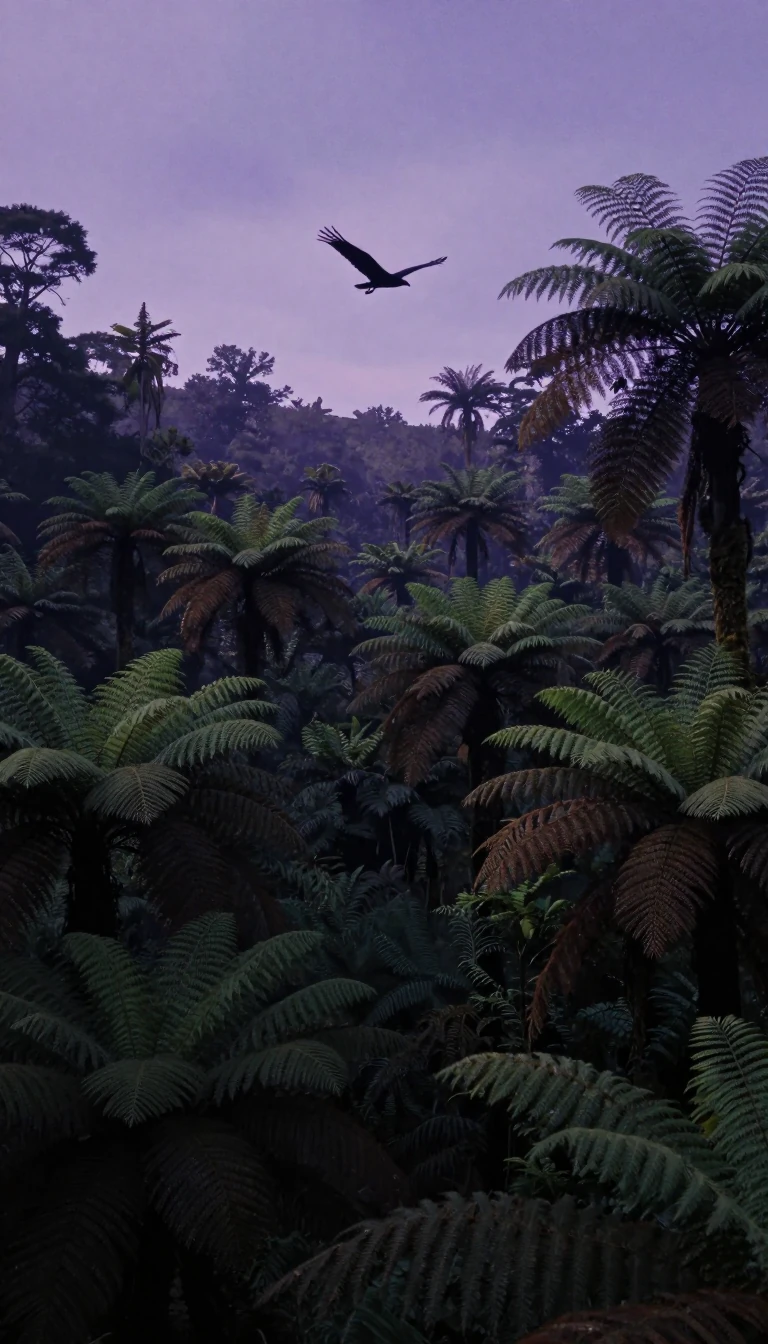
In short: Discovered in the 1850s, the armoured Scelidosaurus was the first complete dinosaur skeleton ever identified. Yet, for over a century, it lacked a proper scientific description. Only in 2020 did modern research finally reveal its true anatomy, rewriting its place in the dinosaur family tree and its relationship to later titans.
For more than 150 years, the exact evolutionary position of Scelidosaurus was a subject of intense debate. Early researchers often grouped it with the famous stegosaurs and ankylosaurs, but these classifications relied on a poor understanding of its skeletal structure. A comprehensive study led by David B. Norman, published in 2020, finally provided the detailed anatomical analysis that had been missing since the dinosaur's initial discovery in the 1850s. This work clarified that Scelidosaurus is likely an ancestor specifically to the ankylosaurs, the heavily armoured 'tanks' of the dinosaur era.
The physical appearance of Scelidosaurus was striking. It was a quadrupedal herbivore, roughly 4 metres long, protected by skin embedded with stud-like bony spikes and plates. Its skull featured a rough texture, suggesting it was covered in hardened, horny scutes similar to those found on modern turtles. Unlike many later armoured dinosaurs, it retained primitive skull openings, including large temporal fenestrae that provided space for the powerful muscles needed to operate its jaws. These features offer a rare, detailed look at the biology of early dinosaurs.
Despite its significance, Scelidosaurus remains a geographic enigma. All known remains have been recovered exclusively from the limestone bands of the sea cliffs at Charmouth, England. During the Early Jurassic, the world's continents were largely joined as Pangea, meaning this animal should theoretically have been widespread. Researchers believe these specific fossils were preserved after periodic flooding washed the dinosaurs into the sea, where they were buried in sediment. Why they have not been found elsewhere remains an open question, leaving Charmouth as the sole window into the life of this foundational armoured dinosaur.
Opens the Intellect+ feed with this card first. Swipe up for the next one.
Sources
- Summary by Intellect · source: Scelidosaurus: ready for its closeup at last
- Also: Scelidosaurus
To cite this card, link to https://intellectplus.co.uk/app/nature-scelidosaurus.
How we source, check and correct cards: Editorial standards.
General information, not professional advice. Spotted an error? Flag the card or see corrections and complaints.
Intellect Plus is a visual educational discovery platform for exploring fascinating facts and ideas. Brain Food, Not Brain Rot. What is Intellect Plus?
Related
More in Vertebrates · More in Nature · Latest · A–Z · All topics
