Are turtles actually reptiles? The shifting definition of the clade known as Sauria
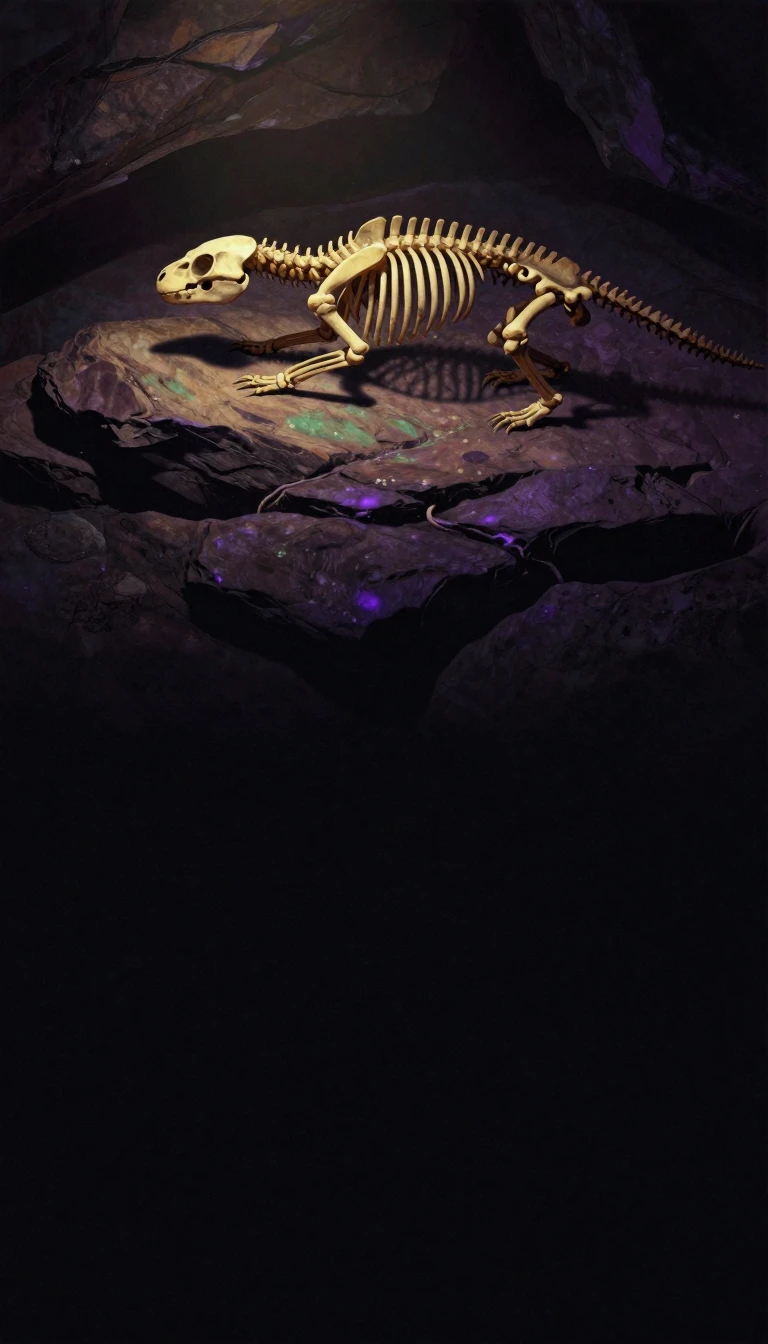
In short: The term Sauria has undergone a dramatic scientific transformation. Once a simple label for lizards, it now represents the crown group of all living reptiles, including birds and crocodilians. Recent genetic and fossil evidence continues to challenge our understanding of where turtles fit within this complex evolutionary family tree.
Sauria is defined as the clade containing the most recent common ancestor of Archosauria—which encompasses birds and crocodilians—and Lepidosauria, which includes squamates and the tuatara. This classification effectively serves as the reptile crown group. Under certain definitions, Sauria is considered synonymous with Reptilia, distinguishing these animals from the broader Sauropsida, a group that also includes various stem-reptiles more closely related to reptiles than to mammals.
The modern understanding of Sauria was solidified in the 1980s through the work of Jacques Gauthier and his colleagues. Before this, the term was used more loosely, sometimes acting as a partial equivalent for Squamata or even including crocodilians in 18th-century classifications. Today, researchers look for specific ancestral features—or synapomorphies—to identify members of the group, such as the presence of an anterior inferior process of the prootic or a thyroid fenestra between the pubis and ischium.
The placement of turtles remains a point of intense scientific debate. While many molecular phylogenies place turtles within Sauria as part of the Archelosauria, other studies offer conflicting results. For instance, an analysis by Li et al. in 2018 positioned turtles within Diapsida but outside of the Sauria clade entirely. Conversely, research by Simões et al. in 2022 highlighted findings that place Pantestudines within Archosauromorpha. These discrepancies underscore the difficulty of mapping evolutionary history, as features like the cleithrum, which is absent in most saurians, are notably present in turtles, illustrating how ancestral traits can be modified or lost across different lineages.
Opens the Intellect+ feed with this card first. Swipe up for the next one.
Sources
- Summary by Intellect · source: Sauria
To cite this card, link to https://intellectplus.co.uk/app/nature-sauria.
How we source, check and correct cards: Editorial standards.
General information, not professional advice. Spotted an error? Flag the card or see corrections and complaints.
Intellect Plus is a visual educational discovery platform for exploring fascinating facts and ideas. Brain Food, Not Brain Rot. What is Intellect Plus?
Related
More in Vertebrates · More in Nature · Latest · A–Z · All topics
