Why the Serengeti is more than just a backdrop for the Great Migration
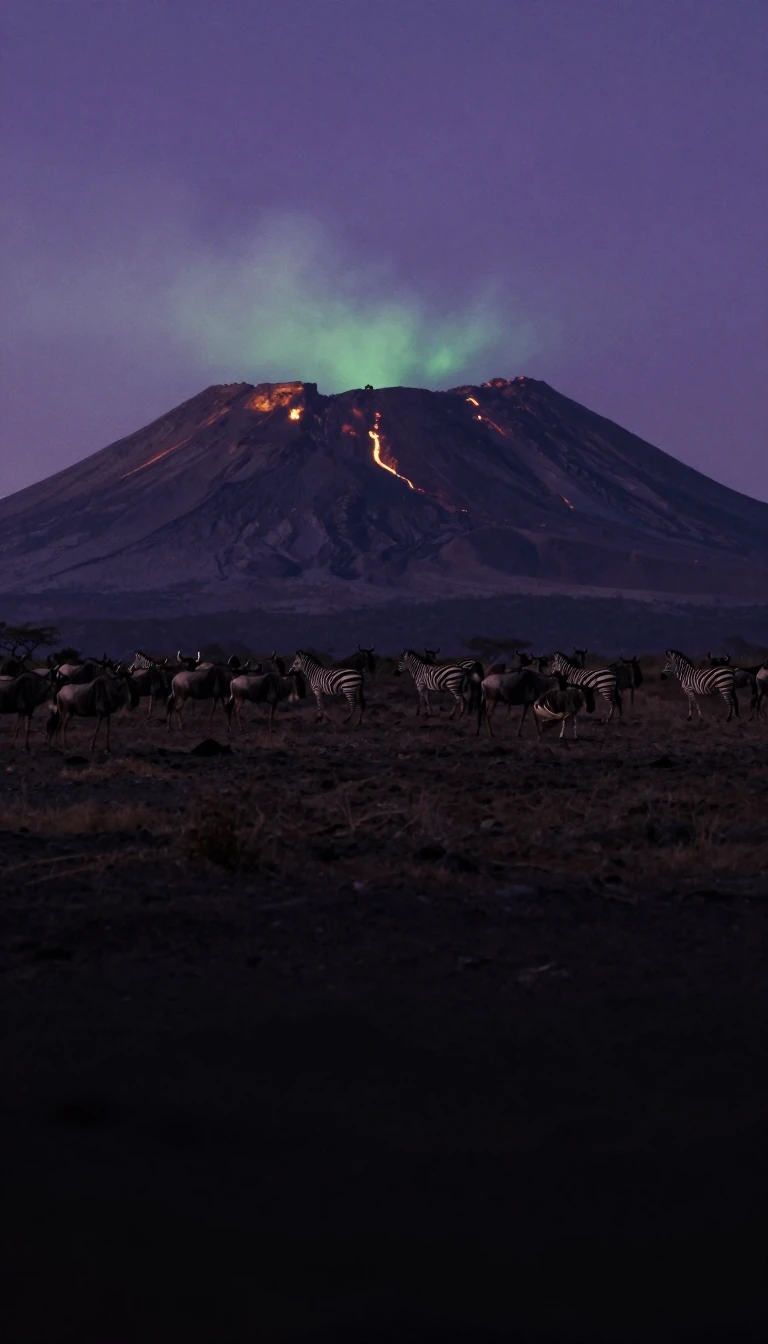
In short: Spanning millions of acres of acacia-dotted grasslands, the Serengeti is an intricate, ecologically sensitive landscape. While famous for the cyclical movement of nearly two million wildebeests, zebras, and gazelles, the region offers a complex ecosystem where predators, prey, and unique geological features like granite kopjes create a world of constant discovery.
The Serengeti is defined by its vast, rolling plains, a name often attributed to a Maasai term for endless grasslands. This 3.7-million-acre expanse serves as a critical arena for the Great Migration, a natural spectacle involving approximately 1.8 million wildebeests, zebras, and gazelles. These herds move in a cyclical pattern, driven by the search for grazing, which brings them through the Serengeti National Park and into Kenya’s Maasai Mara. The journey is perilous, with predators like lions, leopards, and crocodiles waiting to exploit the movement of these massive, restless groups.
Beyond the migration, the park’s geography is punctuated by kopjes—weathered granite boulder stacks that trap water and support miniature, isolated ecosystems. These formations serve as vital vantage points for wildlife, including lions and leopards that rest in the open, and offer human visitors unique perspectives on the central plains. The region is also shaped by larger inhabitants like African elephants, which actively modify the environment by knocking down trees and digging for water, a process that provides essential resources for other species within the park.
Exploration of the Serengeti has evolved to prioritize sustainable, immersive experiences. While guided game drives remain the standard, visitors can engage with the landscape through guided bushwalks or hot air balloon flights that reveal the scale of the savannah. Conservation remains a central theme, with local authorities and camps emphasizing responsible tourism. Whether it is observing the interplay between cheetahs in the Namiri Plains or learning about tracking and bird calls, the park functions as a living classroom that highlights the delicate balance of East Africa’s most iconic wilderness.
Opens the Intellect+ feed with this card first. Swipe up for the next one.
Sources
- Summary by Intellect · source: How to plan your first visit to Serengeti National Park
- Also: Serengeti
To cite this card, link to https://intellectplus.co.uk/app/nature-serengeti.
How we source, check and correct cards: Editorial standards.
General information, not professional advice. Spotted an error? Flag the card or see corrections and complaints.
Intellect Plus is a visual educational discovery platform for exploring fascinating facts and ideas. Brain Food, Not Brain Rot. What is Intellect Plus?
Related
More in Physical geography · More in Nature · Latest · A–Z · All topics
