The Seven Summits are not a fixed list, but a shifting mountaineering puzzle.
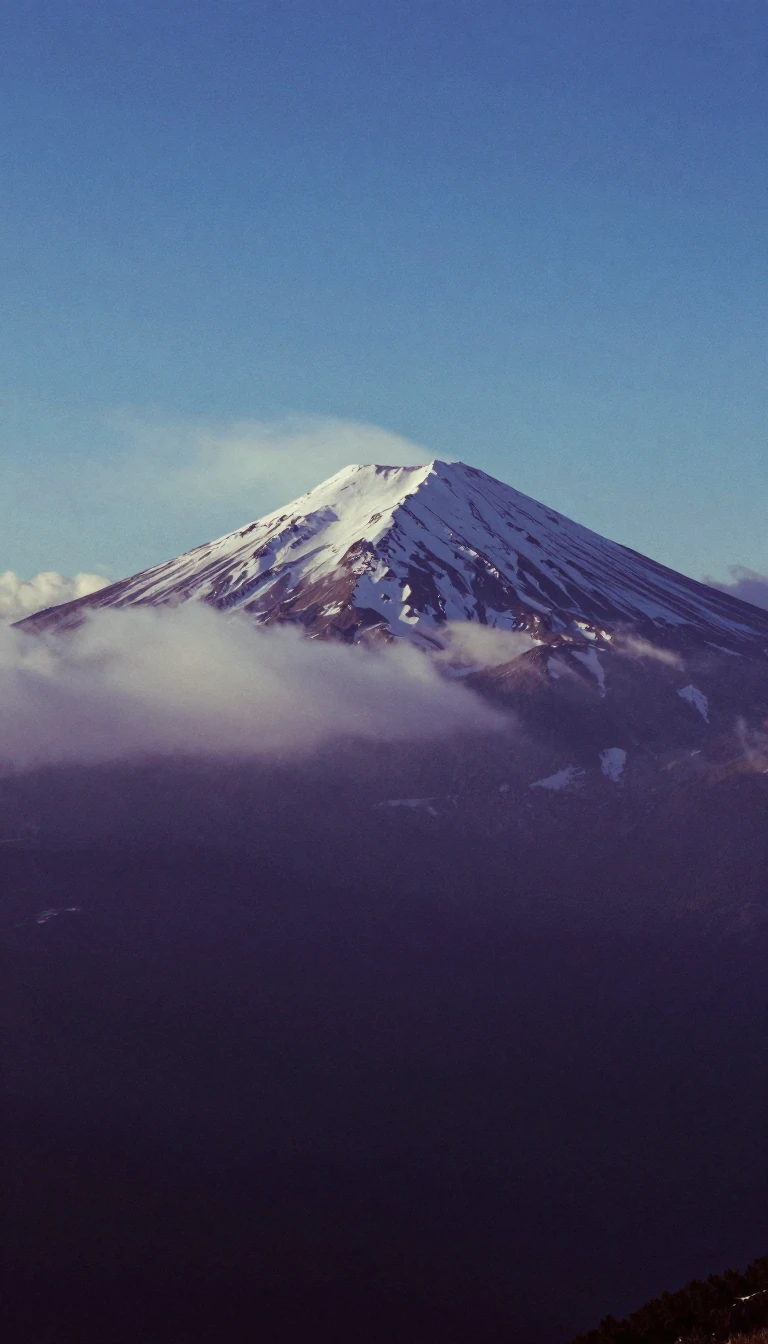
In short: Climbing the highest peak on every continent sounds straightforward, but geography is rarely simple. Depending on how you define a continent's border, the list of mountains changes. From tectonic plates to political boundaries, the Seven Summits remain a debated challenge that forces climbers to choose their own path to completion.
The concept of the Seven Summits, popularized by businessman Richard Bass in 1985, relies on identifying the highest point on each of the seven traditional continents. However, the lack of a universal definition for continental boundaries creates significant ambiguity. The most prominent debates involve Europe and Oceania. For Europe, the inclusion of Mount Elbrus (5,642 meters) is contested by those who argue the Caucasus Mountains lie in Asia, favoring Mont Blanc (4,810 meters) instead. Similarly, the Australian continent is defined either by mainland Australia, featuring Mount Kosciuszko (2,228 meters), or by the Sahul Shelf, which includes the much higher Puncak Jaya (4,884 meters) in Indonesia.
These geographic disagreements have birthed multiple versions of the challenge. The 'Bass list' uses Kosciuszko, while the 'Messner list,' championed by Reinhold Messner, favors the more technically demanding Puncak Jaya. Mountaineers often view the Messner list as the true test of skill, as Puncak Jaya requires an expedition through dense jungle, whereas Kosciuszko is a straightforward hike. Other variations exist, including the 'Eight Summits' list, which incorporates both peaks, and tectonic-based lists that consider Mauna Kea or Mount Wilhelm.
Beyond geography, modern logistics and safety have reshaped the pursuit. Recent geopolitical instability, such as the Russian invasion of Ukraine, has complicated access to Elbrus, while security concerns and tribal conflicts in Western New Guinea have led to the closure of Puncak Jaya. Consequently, some climbers now view Mount Wilhelm in Papua New Guinea as a safer alternative for the Oceania summit. Despite these hurdles, the challenge remains a popular goal for adventure mountaineers, with record-seekers constantly pushing to complete the circuit in ever-shorter timeframes, sometimes in under 134 days.
Opens the Intellect+ feed with this card first. Swipe up for the next one.
Sources
- Summary by Intellect · source: Seven Summits
To cite this card, link to https://intellectplus.co.uk/app/nature-seven-summits.
How we source, check and correct cards: Editorial standards.
General information, not professional advice. Spotted an error? Flag the card or see corrections and complaints.
Intellect Plus is a visual educational discovery platform for exploring fascinating facts and ideas. Brain Food, Not Brain Rot. What is Intellect Plus?
Related
More in Physical geography · More in Nature · Latest · A–Z · All topics
