Why the oldest parts of Earth's crust are called continental shields
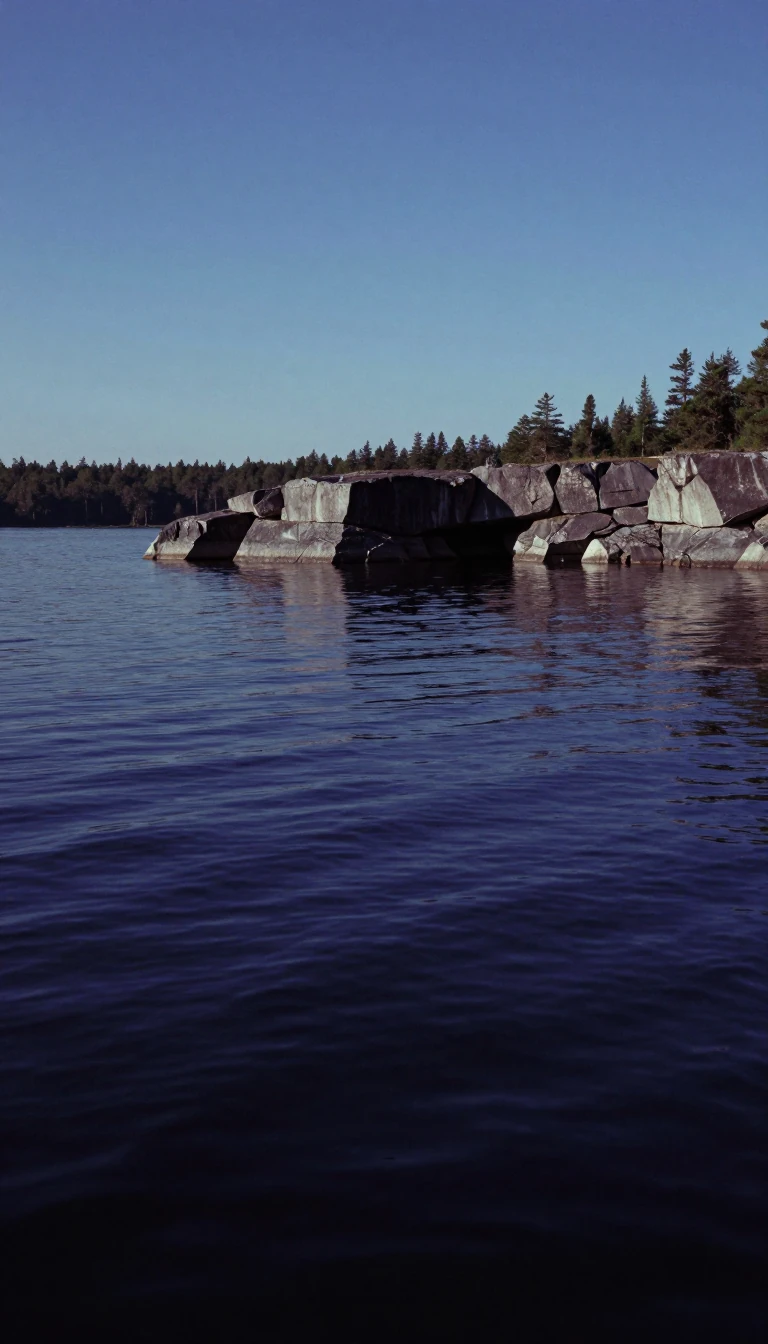
In short: Beneath the shifting surface of our planet lie vast, ancient foundations known as shields. These stable, low-relief regions are composed of crystalline rocks formed billions of years ago. They act as the rigid hearts of our continents, remaining largely unchanged while the rest of the world folds and breaks around them.
A continental shield is a massive, tectonically stable area of Earth's crust where ancient Precambrian basement rocks are exposed at the surface. These regions are defined by their remarkable longevity, often containing crystalline igneous and metamorphic formations that date back between 2.5 and 4.6 billion years. Because they have remained relatively undisturbed by major mountain-building or faulting for eons, they serve as the enduring structural cores of the continents.
The African Shield, sometimes referred to as the Ethiopian Shield, provides a prime example of this geological stability. It is composed of ancient cratons—such as the Kaapvaal, Congo, and West African cratons—that have persisted for billions of years. While younger fold belts formed along their margins between 300 million and 2 billion years ago, the interior of the shield has remained largely unaltered. This stability allowed subsequent Paleozoic deposits to settle in horizontal, undisturbed layers across the landscape.
The term itself reflects the visual character of these regions. Early geologists noted that the outline of the Canadian Shield resembled the shape of defensive armor used in hand-to-hand combat. Beyond their appearance, these areas are geologically complex, often featuring granite-gneiss-greenstone terrains. In some locations, such as the Arabian-Nubian Shield, these rocks were generated in island-arc settings similar to the modern southwestern Pacific, eventually accreting onto the ancient continent to expand its reach.
Understanding these shields is essential for grasping the history of the planet. They are not merely static blocks but are the result of intense volcanic and metamorphic processes that occurred deep within the Earth more than 540 million years ago. By studying the exposed rocks of a shield, researchers can peer into the deep past, uncovering the mechanisms that built the continents long before the emergence of modern geological features.
Opens the Intellect+ feed with this card first. Swipe up for the next one.
Sources
- Summary by Intellect · source: African Shield | geology | Britannica
- Also: Shield (geology)
To cite this card, link to https://intellectplus.co.uk/app/nature-shield-geology.
How we source, check and correct cards: Editorial standards.
General information, not professional advice. Spotted an error? Flag the card or see corrections and complaints.
Intellect Plus is a visual educational discovery platform for exploring fascinating facts and ideas. Brain Food, Not Brain Rot. What is Intellect Plus?
Related
More in Geology · More in Nature · Latest · A–Z · All topics
