Why these flat sheets of frozen magma are often mistaken for lava flows
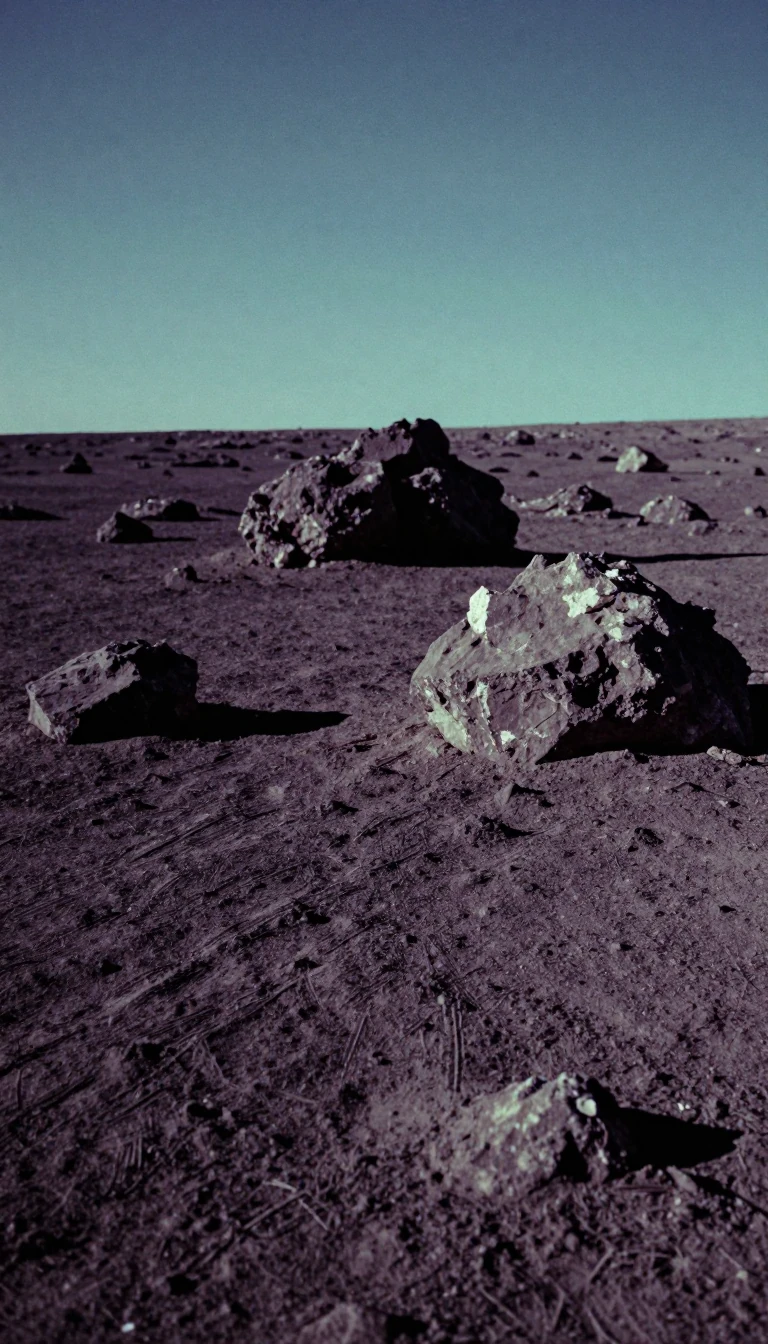
In short: Deep beneath the Earth's surface, magma forces its way between existing rock layers to create sills. These tabular intrusions run parallel to the surrounding stone, often mimicking surface lava flows. However, their subterranean origins leave distinct geological fingerprints that reveal a far more complex history than a simple surface eruption.
A sill is a concordant igneous intrusion, meaning it forces itself between preexisting layers of sedimentary, volcanic, or metamorphic rock without cutting across them. While they are typically emplaced horizontally, tectonic forces can later tilt them into near-vertical orientations. These structures are fed by dikes—discordant sheets that cut through rock—and require brittle host rock to fracture, creating the planes where magma can spread. While many sills are simple, single-event intrusions, others are multiple or composite, reflecting complex histories of repeated magma injection.
Distinguishing a sill from a surface lava flow is a critical task for geologists. Because sills form underground, they are subjected to the immense pressure of overlying rock, which prevents the formation of gas bubbles, or vesicles, commonly found in surface flows. Furthermore, while lava flows only show signs of heat-induced contact metamorphism on their base, sills exhibit this evidence on both their upper and lower contact surfaces. Sills also show signs of partial melting and incorporation of the surrounding country rock, whereas surface flows typically display weathering on their upper surface.
Modern technology has revolutionized our understanding of these structures. 3D seismic reflection data has revealed that many large sills are not perfectly flat but instead possess a saucer-like geometry. Some are also transgressive, meaning they shift stratigraphic levels, with concordant sections linked by short, dike-like segments. Beyond their structural intrigue, certain layered sills are economically vital. Complexes like the Bushveld in southern Africa or the Duluth in the United States contain significant concentrations of rare elements, including gold, platinum, and chromium, making them essential subjects for both academic study and resource exploration.
Opens the Intellect+ feed with this card first. Swipe up for the next one.
Sources
- Summary by Intellect · source: Sill (geology)
- Also: Sill | Igneous Rock, Intrusive Layer & Magma Chamber | Britannica
To cite this card, link to https://intellectplus.co.uk/app/nature-sill-geology.
How we source, check and correct cards: Editorial standards.
General information, not professional advice. Spotted an error? Flag the card or see corrections and complaints.
Intellect Plus is a visual educational discovery platform for exploring fascinating facts and ideas. Brain Food, Not Brain Rot. What is Intellect Plus?
Related
More in Geology · More in Nature · Latest · A–Z · All topics
