Why the difference between a shrimp and a prawn is mostly in your head
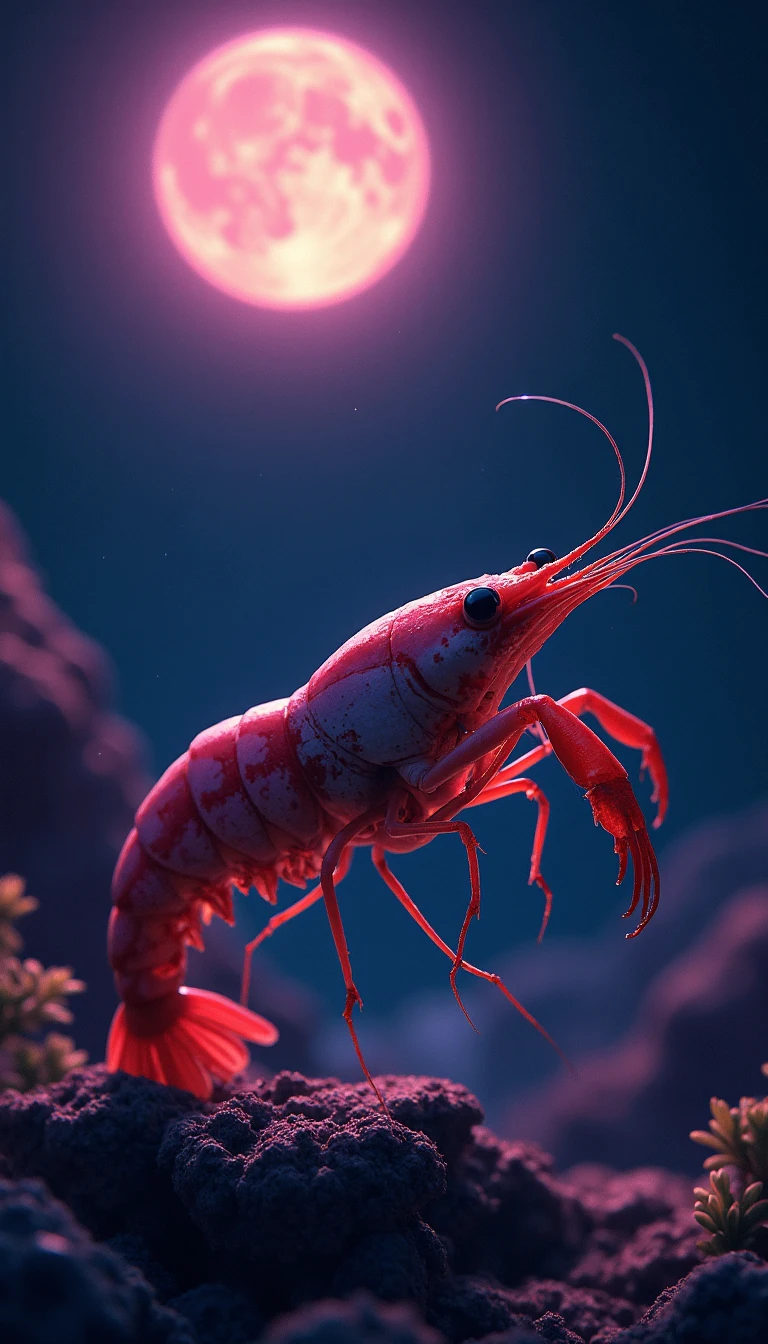
In short: Shrimp and prawn are often used interchangeably, but the distinction is rarely biological. Whether you call them one or the other depends largely on where you live and how big they are. Beyond the naming confusion, these crustaceans are a global culinary staple with surprising health and safety nuances.
The terminology for these crustaceans is notoriously inconsistent. While 1990s Indian aquaculture literature attempted to restrict 'prawn' to freshwater forms and 'shrimp' to marine species, this definition never gained universal traction. In practice, geography dictates usage: North Americans favor 'shrimp,' while the British and Australians prefer 'prawn.' Even the famous 'shrimp on the barbie' line was a deliberate linguistic distortion by an Australian comedian to accommodate American audiences.
Nutritionally, these crustaceans are high in protein and low in energy. While they are significant sources of dietary cholesterol—ranging from 122 mg to 251 mg per 100 g—they are generally considered heart-healthy. Because they lack high levels of saturated fat, they can actually improve the ratio of LDL to HDL cholesterol and lower triglycerides. Furthermore, they are low in mercury; a 2010 FDA study found methylmercury levels as low as 0.001 parts per million.
Culinary preparation often involves 'deveining,' a process of removing the digestive tract. While the vein is not poisonous, it can be gritty if the animal has consumed sand. On larger specimens, the ventral nerve cord—or 'blood vein'—is also typically removed. Because these creatures are as delicate as eggs, they require precise timing; overcooking them results in a tough, rubbery texture. Chefs often prefer cooking them in their shells to retain flavor, as much of the taste resides there.
The industry faces modern challenges, including food fraud where non-food grade gels like carboxymethyl cellulose (CMC) are injected into product to increase weight. In 2022, authorities in Cambodia seized 7 tons of such adulterated shrimp. To combat this, the NIST has developed Standard Reference Materials (RM 8258 and RM 8259) to help verify the authenticity of wild-caught and aquacultured products globally.
Opens the Intellect+ feed with this card first. Swipe up for the next one.
Sources
- Summary by Intellect · source: Shrimp and prawn as food
To cite this card, link to https://intellectplus.co.uk/app/nature-shrimp-and-prawn-as-food.
How we source, check and correct cards: Editorial standards.
General information, not professional advice. Spotted an error? Flag the card or see corrections and complaints.
Intellect Plus is a visual educational discovery platform for exploring fascinating facts and ideas. Brain Food, Not Brain Rot. What is Intellect Plus?
Related
More in Organisms · More in Nature · Latest · A–Z · All topics
