The giant tiger prawn is a global aquaculture titan with a complex, fragile legacy.
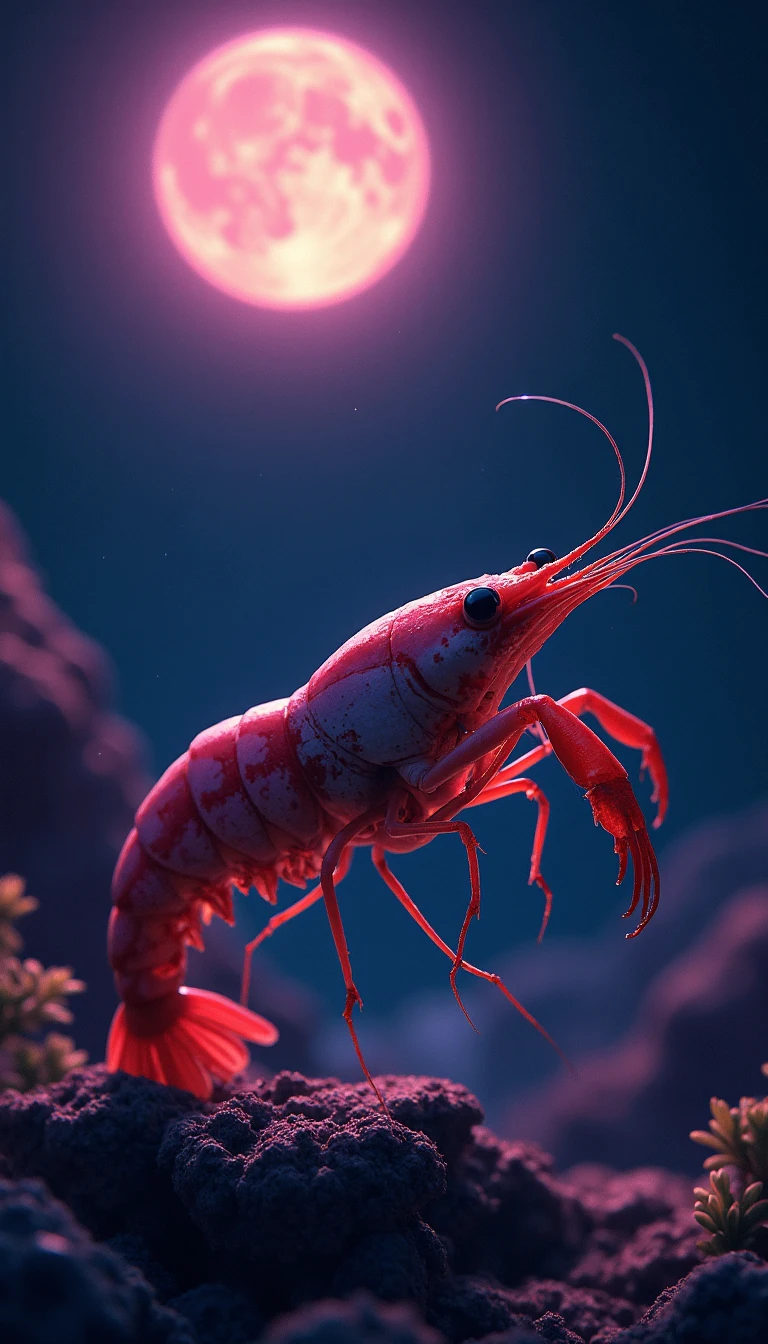
In short: The giant tiger prawn, Penaeus monodon, is a marine powerhouse that dominates global aquaculture. While prized for its rapid growth and adaptability, this crustacean faces significant challenges, from devastating disease outbreaks to environmental concerns. Understanding its biology reveals why this species remains both a commercial staple and an ecological puzzle.
First described by Johan Christian Fabricius in 1798, the giant tiger prawn was only formally clarified as the type species of its genus by Lipke Holthuis in 1949. These crustaceans are impressive in size, with females reaching up to 33 cm in length and weighing over 300 grams. Naturally distributed across the Indo-Pacific, they are nocturnal scavengers that transition from sandy estuaries as juveniles to deeper, muddy bottoms as adults. Their biological resilience is notable; they thrive in a wide range of salinities and temperatures between 28 and 33 °C, traits that have made them a cornerstone of the global shrimp industry.
The rise of the industry is largely credited to Liao I-chiu, known as the 'Father of Shrimp Farming,' who pioneered cultivation methods in the late 1960s. By 2009, production reached 770,000 tonnes, valued at US$3.65 billion. Despite this success, the species is notoriously vulnerable to pathogens like white spot and yellowhead disease. These infections, sometimes transmitted by other crustaceans like the Australian red claw crayfish, have caused severe economic damage. To combat this, researchers are investigating the prawn's DNA repair mechanisms, specifically homologous recombination, to develop pathogen-resistant breeding lines.
The industry's expansion has not been without controversy. In 2010, Greenpeace added the species to its seafood red list, citing the destruction of mangrove ecosystems, the overfishing of wild juveniles to stock farms, and reports of human-rights abuses. Furthermore, while the prawn has been introduced to regions like the Gulf of Mexico and the Caribbean, it has struggled to form large, established populations in the United States. This tension between the species' commercial utility and its ecological and ethical footprint continues to define its role in the modern food system.
Opens the Intellect+ feed with this card first. Swipe up for the next one.
Sources
- Summary by Intellect · source: Penaeus monodon
- Also: iNaturalist — giant tiger prawn (Penaeus monodon) · CC BY-SA 4.0 (Wikipedia summary)
To cite this card, link to https://intellectplus.co.uk/app/nature-penaeus-monodon.
How we source, check and correct cards: Editorial standards.
General information, not professional advice. Spotted an error? Flag the card or see corrections and complaints.
Intellect Plus is a visual educational discovery platform for exploring fascinating facts and ideas. Brain Food, Not Brain Rot. What is Intellect Plus?
Related
More in Arthropods · More in Nature · Latest · A–Z · All topics
