True shrimp are not prawns, and their secret lies in their overlapping abdominal segments.
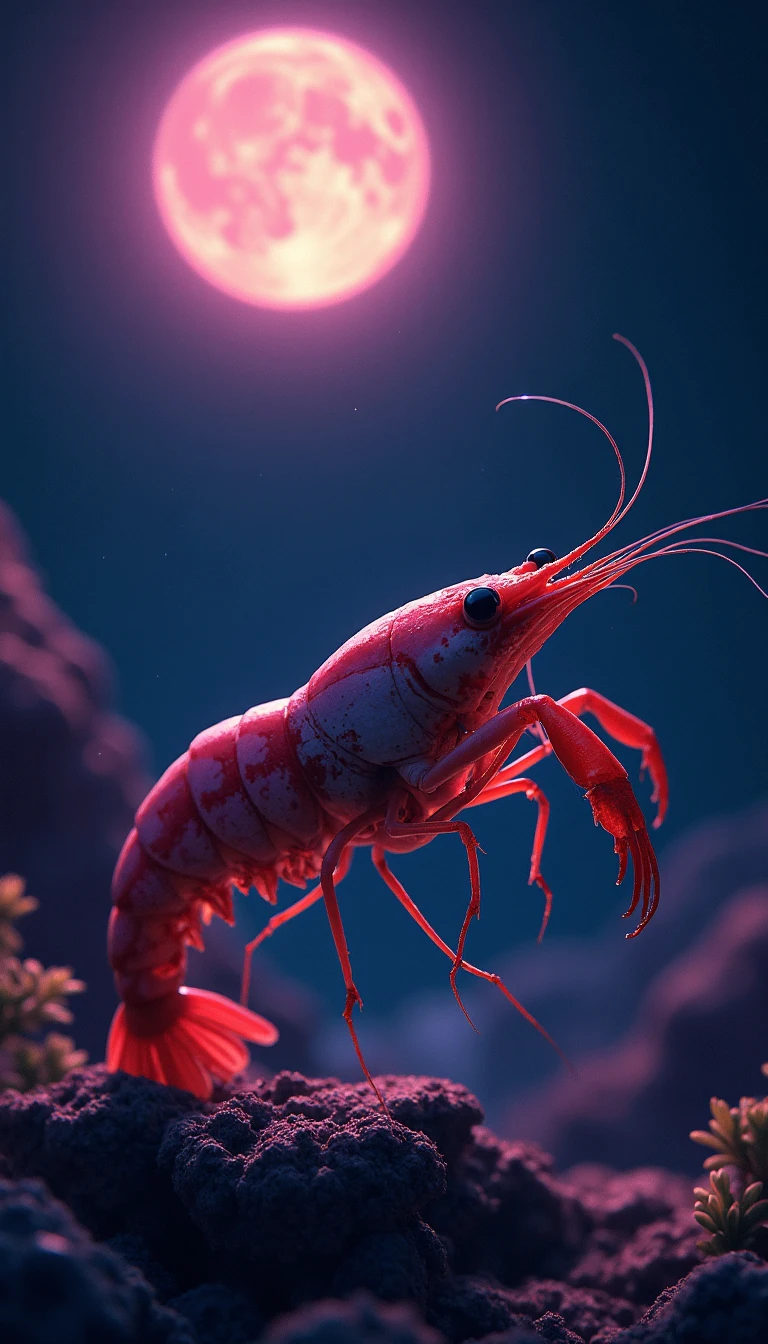
In short: While often confused with prawns, true shrimp belong to the infraorder Caridea. These resilient creatures inhabit nearly every aquatic environment on Earth, from deep-sea trenches to freshwater streams. They possess unique biological traits, including a specialized way of brooding their young, that set them apart from their crustacean cousins.
Carideans represent the true shrimp, a diverse group within the order Decapoda. They are found globally, excluding Antarctica, and occupy habitats ranging from tropical reefs to polar waters at depths reaching 5,000 meters. While most are marine, about a quarter of species thrive in freshwater environments. Their physical size is equally varied, with adults ranging from a few millimeters to over 300 millimeters in length.
Distinguishing carideans from other crustaceans, such as the Dendrobranchiata prawns, requires close inspection. The most reliable method involves checking the second abdominal segment; in carideans, this segment overlaps both the first and third segments. Additionally, carideans typically possess two pairs of claws, whereas prawns have three. Their internal biology also differs, as carideans feature lamellar gills, while prawns have branching structures. Furthermore, unlike prawns that release eggs directly into the water, carideans brood their eggs until they hatch as zoea larvae.
The feeding habits of these shrimp are remarkably diverse. Many are omnivores, but others have evolved specialized strategies. Some species use bristly legs to filter food from the water, while others graze on vegetation growing on submerged surfaces. Perhaps most famous are the snapping shrimp of the genus Alpheus, which generate powerful shock waves with their claws to stun prey. Other species act as cleaners, removing parasites and dead tissue from reef fish.
Commercially, the pink shrimp Pandalus borealis is the most significant species, far outpacing the brown shrimp Crangon crangon in wild-capture production. Although global aquaculture for all shrimp species has grown to exceed wild capture, carideans remain primarily a wild-caught resource. Despite their ecological success, their fossil record is sparse, with only 57 known extinct species dating back to the Lower Jurassic and Cretaceous periods.
Opens the Intellect+ feed with this card first. Swipe up for the next one.
Sources
- Summary by Intellect · source: Caridea
To cite this card, link to https://intellectplus.co.uk/app/nature-caridea.
How we source, check and correct cards: Editorial standards.
General information, not professional advice. Spotted an error? Flag the card or see corrections and complaints.
Intellect Plus is a visual educational discovery platform for exploring fascinating facts and ideas. Brain Food, Not Brain Rot. What is Intellect Plus?
Related
More in Arthropods · More in Nature · Latest · A–Z · All topics
