Why these invasive fish are famous for leaping into the path of speeding boats
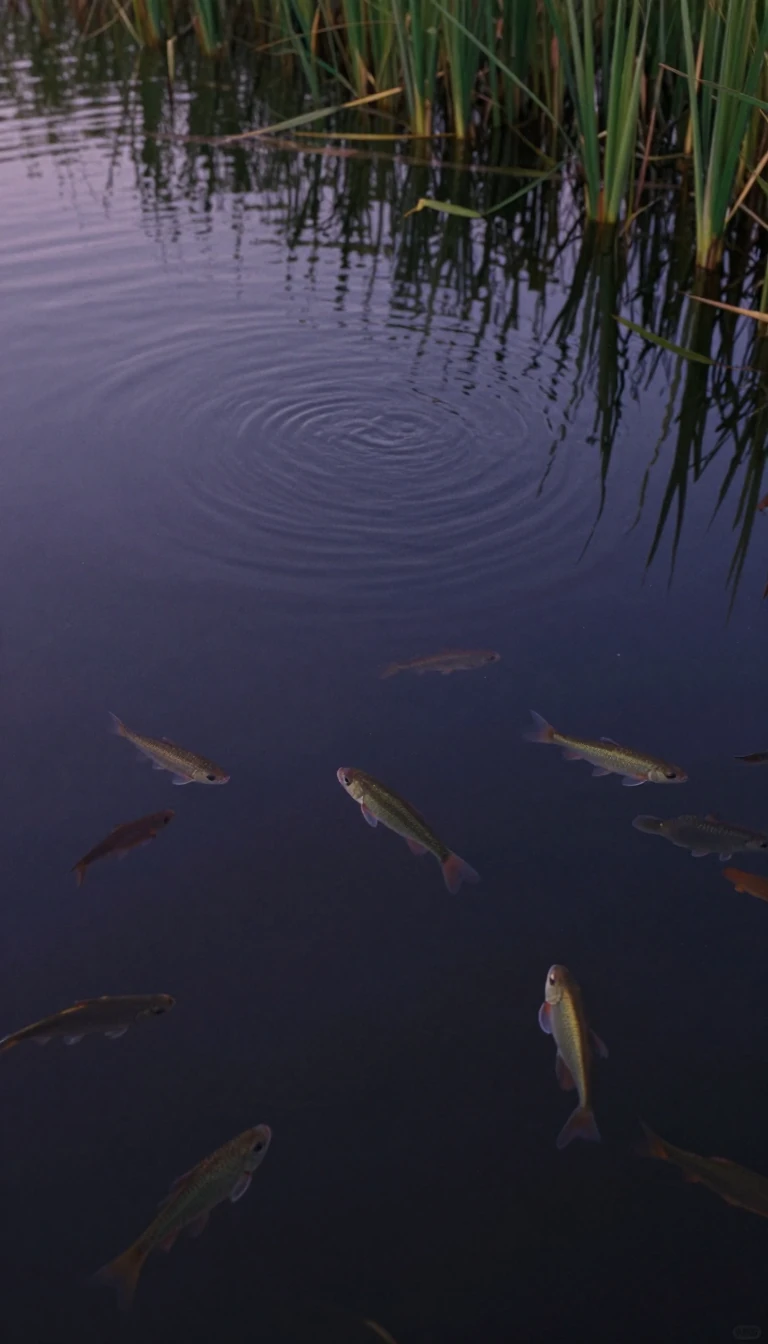
In short: Silver carp are notorious for their acrobatic, startling leaps when disturbed by boat motors, turning recreational waterways into hazardous zones. Originally imported to the United States in the 1970s to clean algae from ponds, these filter-feeding giants escaped into the wild, where they now disrupt native ecosystems across the country.
Native to eastern Asia, the silver carp (Hypophthalmichthys molitrix) was introduced to the United States during the 1970s and 1980s. Managers at private fish farms and wastewater treatment facilities initially viewed the species as a biological tool, hoping its voracious appetite for algae would naturally improve water quality. However, by the 1990s, high-water flooding events allowed the fish to escape into the Mississippi River, leading to a rapid expansion throughout the drainage system.
These fish are highly efficient filter feeders, possessing a specialized apparatus that traps particles as small as 4 micrometers. Because they feed constantly on phytoplankton, they compete directly with native North American species like the paddlefish and gizzard shad. In some cases, their presence has backfired; while they were intended to control blue-green algae, certain toxic strains can pass through their guts unharmed, potentially exacerbating toxic blooms. Their impact is so significant that the United States listed them as injurious wildlife under the Lacey Act in 2007.
The physical characteristics of the silver carp are as distinct as their behavior. They can grow up to 3 feet in length and commonly reach 20 pounds, though the largest individuals can weigh between 80 and 110 pounds. Their eyes are positioned low on their heads, and their bodies are covered in small silver scales. Because they are filter feeders, they are difficult to catch with traditional angling, leading to the development of specialized methods like the suspension method or even bowfishing, where hunters target them while they are airborne.
While considered invasive in North America and many other countries, the silver carp is actually near-threatened in its original Chinese range. Habitat loss, pollution, and overfishing have caused significant population declines in their native waters. This contrast highlights the complexity of managing a species that is simultaneously a vital aquaculture staple—produced in greater quantities worldwide than any other fish except the grass carp—and a destructive ecological force in foreign environments.
Opens the Intellect+ feed with this card first. Swipe up for the next one.
Sources
- Summary by Intellect · source: Silver Carp (Hypophthalmichthys molitrix) | U.S. Fish & Wildlife Service
- Also: Silver carp
To cite this card, link to https://intellectplus.co.uk/app/nature-silver-carp.
How we source, check and correct cards: Editorial standards.
General information, not professional advice. Spotted an error? Flag the card or see corrections and complaints.
Intellect Plus is a visual educational discovery platform for exploring fascinating facts and ideas. Brain Food, Not Brain Rot. What is Intellect Plus?
Related
More in Vertebrates · More in Nature · Latest · A–Z · All topics
