Was this ancient ape the ancestor of humans or the modern orangutan?
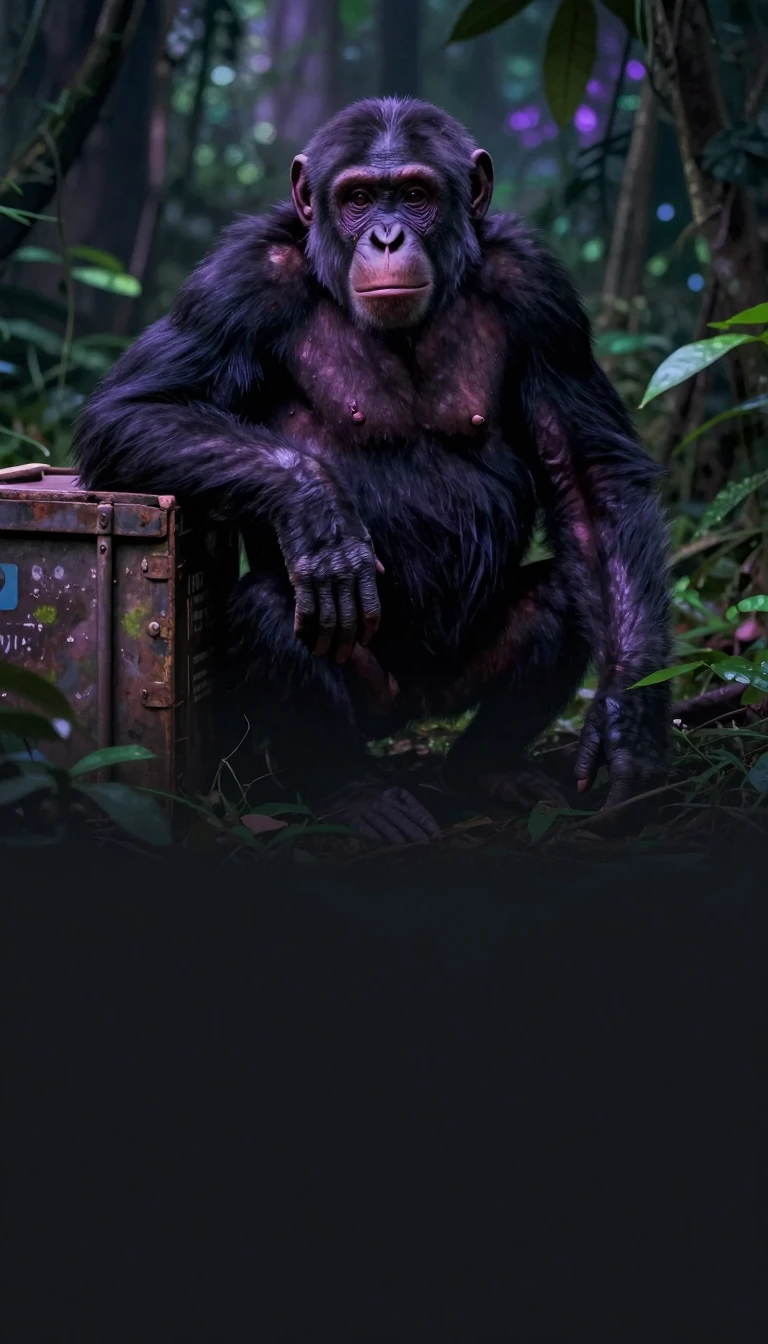
In short: For decades, fossil hunters believed the genus Sivapithecus held the key to human origins. Once misidentified as a direct human ancestor under the name Ramapithecus, this Miocene ape has since been reclassified. Today, researchers debate whether its striking facial similarities to orangutans reveal a true evolutionary link.
The story of Sivapithecus is a masterclass in scientific revision. First discovered in the late 19th century in northern India, early specimens were categorized under various names, including Ramapithecus and Bramapithecus. In 1932, G. Edward Lewis unearthed a jawbone in Nepal that he argued was distinct from Sivapithecus, claiming it possessed human-like traits. This theory gained traction in the 1960s, fueled by the belief that human ancestors had diverged from other apes 14 million years ago.
However, the narrative shifted dramatically in the 1970s. More complete fossils found in 1975 and 1976 revealed that Ramapithecus was far less human-like than previously assumed. Researchers realized these fossils were likely just female forms of Sivapithecus, rendering the older name the priority. By 1982, a significant discovery by David Pilbeam—a partial skull and jaw from Pakistan—solidified the connection to orangutans. This specimen, GSP 15000, displayed a concave face and narrow eye spacing, mirroring modern orangutan morphology.
Despite these visual similarities, the evolutionary picture remains complex. While Sivapithecus shares facial features with orangutans, some experts, such as Yaowalak Chaimanee, caution that dental and skeletal evidence does not definitively confirm this phylogenetic position. Sivapithecus was a creature of contrasts, standing about 1.5 metres tall with a chimpanzee-like body but an orangutan-like face. Its lifestyle was equally varied; while some species like S. sivalensis were likely arboreal fruit-eaters, others possessed heavy molars suited for a tougher diet of seeds and grasses, suggesting they spent significant time on the ground.
Today, three species are generally recognized: S. indicus, S. sivalensis, and the larger S. parvada. While Ramapithecus is no longer considered a human ancestor, the search for our true lineage continues, with prehistoric apes like Nakalipithecus nakayamai now viewed as more likely candidates for the common ancestor of humans, gorillas, and chimpanzees.
Opens the Intellect+ feed with this card first. Swipe up for the next one.
Sources
- Summary by Intellect · source: Sivapithecus
To cite this card, link to https://intellectplus.co.uk/app/nature-sivapithecus.
How we source, check and correct cards: Editorial standards.
General information, not professional advice. Spotted an error? Flag the card or see corrections and complaints.
Intellect Plus is a visual educational discovery platform for exploring fascinating facts and ideas. Brain Food, Not Brain Rot. What is Intellect Plus?
Related
More in Vertebrates · More in Nature · Latest · A–Z · All topics
