Beneath our feet, massive tectonic plates are shifting in slow motion without a sound.
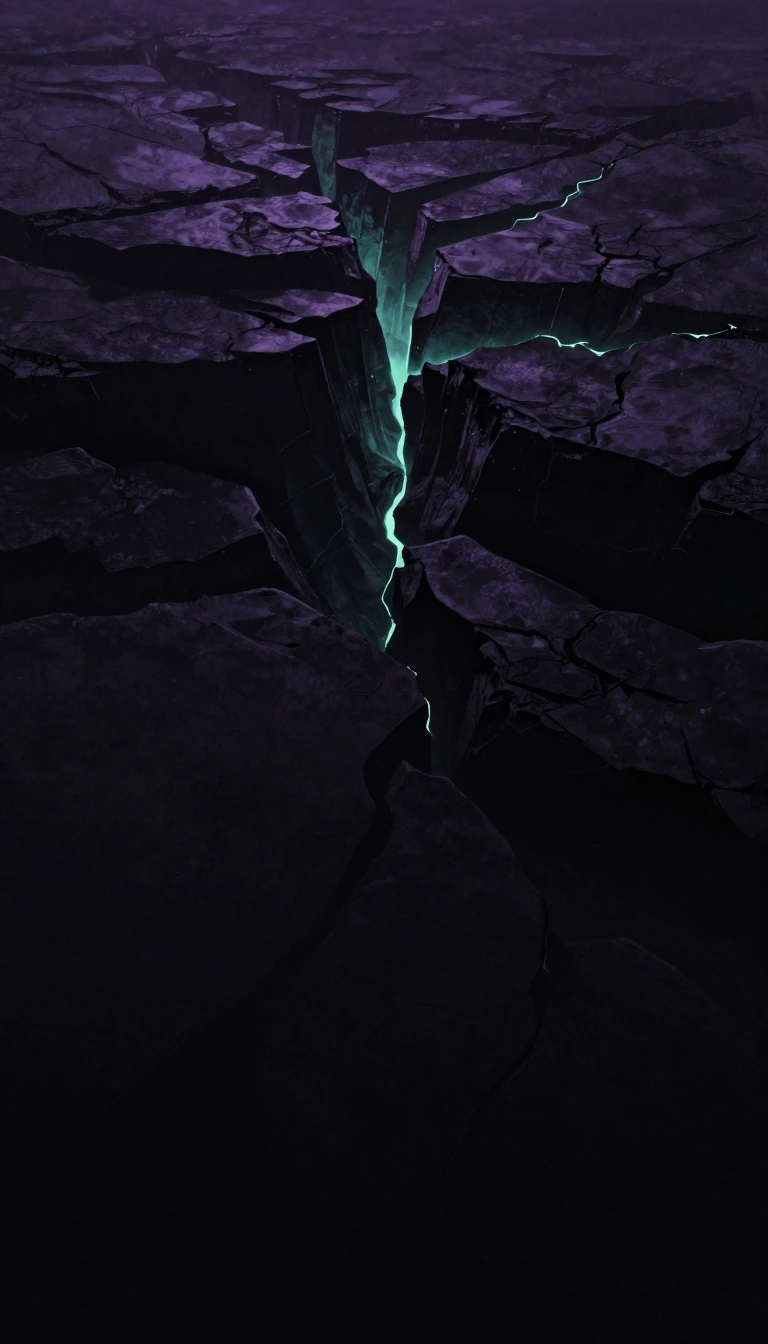
In short: Regular earthquakes topple buildings in seconds, but slow earthquakes can last for months. These imperceptible events shift tectonic plates as much as a magnitude 7 quake, yet they remain entirely undetected by human senses. Scientists are now racing to decode these silent tremors to forecast the next major disaster.
Discovered only in the last 20 years, slow earthquakes—or slow slip events—occur at the boundary between tectonic plates. Unlike typical earthquakes, which release energy explosively through seismic waves, these events unfold over days, months, or even years. They typically take place 18 to 24 miles beneath the surface, in a sticky intermediate zone located between the deep, high-temperature regions where plates slide smoothly and the shallow, brittle portions that remain locked until they rupture in a megathrust quake.
The phenomenon was first identified in the late 1990s and early 2000s when researchers noticed anomalies in GPS and seismic data. In 1999, geophysicist Herb Dragert observed GPS stations on Vancouver Island jumping in the opposite direction of normal plate movement, despite an absence of shaking. Simultaneously, seismologist Kazushige Obara detected low-frequency vibrations in Japan that resembled volcanic tremors but occurred in non-volcanic areas. These events are often accompanied by low-frequency earthquakes, which are distinct from ordinary seismic events due to their unique rupture duration and stress drop.
While the exact mechanics remain a subject of intense study, laboratory experiments suggest that slow slip behavior is controlled by the frictional dynamics of surrounding materials, such as quartz gouge. Some researchers believe these events may act as precursors to massive temblors, potentially transferring stress that triggers larger, more dangerous quakes. By mapping these silent movements in regions like Cascadia, Mexico, and Japan, scientists hope to gain a clearer picture of the seismic cycle and eventually improve our ability to predict devastating tsunamis and earthquakes before they strike.
The study of slow earthquakes is inherently complex, as they represent a spectrum of slip behaviors rather than a single, uniform process. Because they occur in the transition zone between stable sliding and locked faulting, they provide a critical window into the physics of fault failure. Understanding why these regions slip periodically—such as the 14-month cycle observed in Cascadia—is essential for assessing the seismic risk of fault zones worldwide.
Opens the Intellect+ feed with this card first. Swipe up for the next one.
Sources
- Summary by Intellect · source: Slow Earthquakes Are a Thing
- Also: Laboratory observations of slow earthquakes and the spectrum of tectonic fault slip modes - Nature Communications
- Also: Slow earthquake
To cite this card, link to https://intellectplus.co.uk/app/nature-slow-earthquake.
How we source, check and correct cards: Editorial standards.
General information, not professional advice. Spotted an error? Flag the card or see corrections and complaints.
Intellect Plus is a visual educational discovery platform for exploring fascinating facts and ideas. Brain Food, Not Brain Rot. What is Intellect Plus?
Related
More in Geology · More in Nature · Latest · A–Z · All topics
