Why the humble sole fish is named after both footwear and anatomy
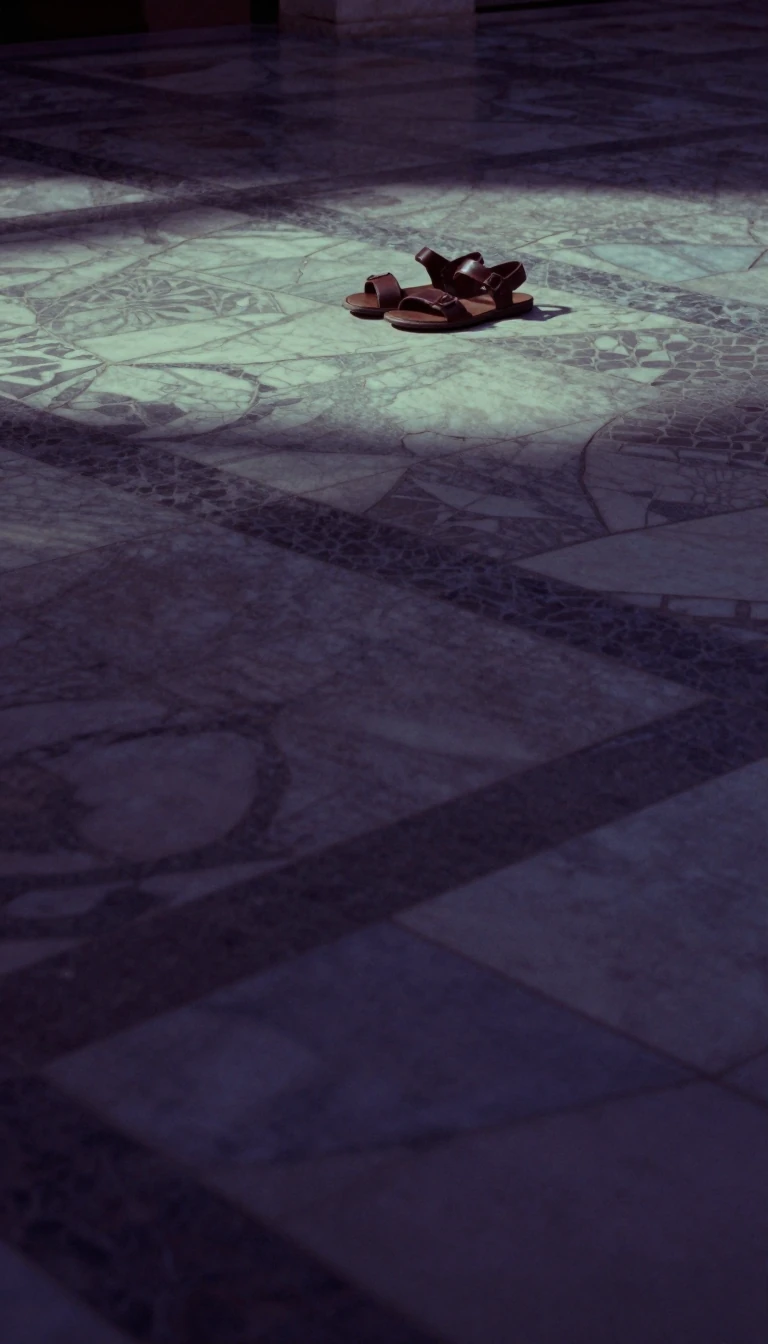
In short: The sole is a flatfish with a dual identity. Its name reflects a linguistic split: in Romance languages, it is named for its resemblance to a sandal, while in many others, it is described as a tongue. Beyond the etymology, these bottom-feeders face significant ecological pressure from modern industrial fishing.
The term sole encompasses a diverse group of flatfish within the suborder Pleuronectoidei. While the family Soleidae represents the true soles, the name is applied broadly to various species, including American soles, tonguefishes, and certain righteye flounders like the lemon or Pacific Dover sole. The common or Dover sole, Solea solea, remains the most esteemed variety in European culinary traditions, serving as the primary reference point for the name across the continent.
Linguistically, the fish carries a fascinating history. The English, French, and Italian names derive from the Latin solea, meaning sandal, highlighting the fish's physical shape. Conversely, many other languages, such as German, Greek, and Cantonese, focus on the fish's appearance as a tongue. This anatomical naming convention spans cultures, appearing as zeetong in Dutch, glóssa in Greek, and lung lei in Cantonese, illustrating a global consensus on the fish's distinct, elongated profile.
Despite their culinary popularity, the status of the common sole is precarious. Once abundant, populations have been severely impacted by overfishing. By 2003, stocks of large ground fish like sole were estimated to be only about 10% of pre-industrial levels. Scientific bodies like the ICES have flagged these fish as being outside safe biological limits, noting that they are now growing more slowly and rarely surviving past six years, despite a natural potential to reach forty. In 2010, Greenpeace International added the common sole to its seafood red list, citing the high bycatch rates associated with beam trawling, which remains the primary method for their capture. Today, many fisheries, particularly in the western English Channel and Irish Sea, face the threat of total collapse.
Opens the Intellect+ feed with this card first. Swipe up for the next one.
Sources
- Summary by Intellect · source: Sole (fish)
To cite this card, link to https://intellectplus.co.uk/app/nature-sole-fish.
How we source, check and correct cards: Editorial standards.
General information, not professional advice. Spotted an error? Flag the card or see corrections and complaints.
Intellect Plus is a visual educational discovery platform for exploring fascinating facts and ideas. Brain Food, Not Brain Rot. What is Intellect Plus?
Related
More in Vertebrates · More in Nature · Latest · A–Z · All topics
