The blind mole-rat is a subterranean rodent with a surprising resistance to cancer
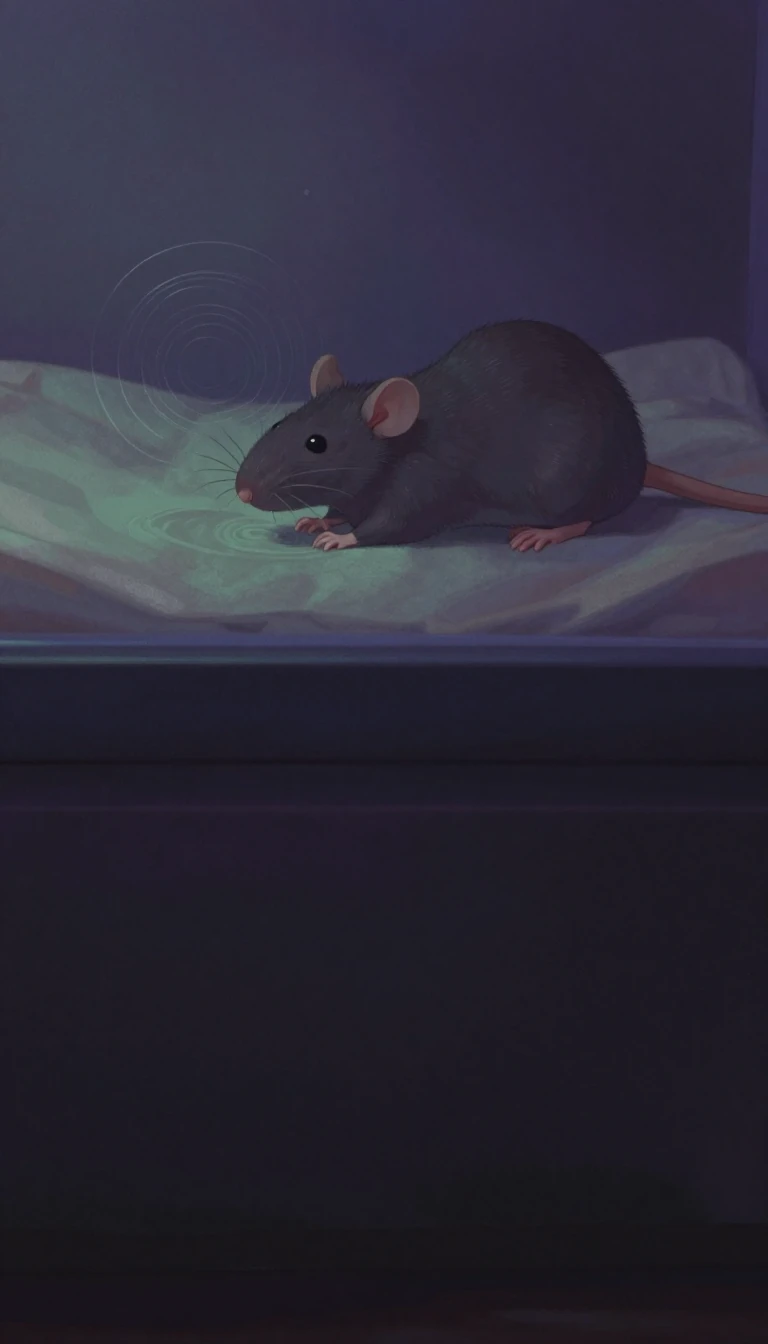
In short: Deep beneath the soil of Eastern Europe and Asia lives the Spalax, a genus of completely blind rodents. While their subterranean lifestyle is fascinating, researchers have discovered something even more remarkable: these animals possess a pronounced resistance to cancer, offering a unique window into the biology of disease prevention.
The genus Spalax belongs to the family Spalacidae, specifically the subfamily Spalacinae. These creatures are entirely blind and spend their lives in subterranean environments. For many years, scientists grouped all blind mole-rats into the single genus Spalax. However, this classification changed significantly following research published in 2013, which utilized phylogenetic and morphological evidence to redefine the group.
The revision revealed that some species within the original grouping actually formed a distinct lineage that diverged during the Late Miocene. This evolutionary split was driven by the formation of a marine barrier between the Balkans and Anatolia. Consequently, these species were reclassified into a separate genus, Nannospalax. Today, Spalax and Nannospalax stand as the two extant genera within the subfamily Spalacinae, reflecting a complex history of adaptation and geographic isolation.
Beyond their taxonomy, the Spalax genus has garnered significant scientific interest due to its physiological resilience. Studies have provided both in vivo and in vitro evidence demonstrating that these rodents exhibit a pronounced resistance to cancer. This discovery is particularly notable given the extreme conditions of their underground habitats, where low oxygen levels and high carbon dioxide concentrations are common. Understanding how these animals manage such biological stressors may provide critical insights into the mechanisms of cancer resistance in mammals.
While the genus remains a subject of ongoing study, some species face uncertain futures. For instance, the Oltenia blind mole-rat, known as S. istricus, is currently considered possibly extinct. The study of these rodents continues to bridge the gap between evolutionary biology and medical research, highlighting how specialized adaptations to subterranean life can yield unexpected benefits for survival.
Opens the Intellect+ feed with this card first. Swipe up for the next one.
Sources
- Summary by Intellect · source: Spalax
To cite this card, link to https://intellectplus.co.uk/app/nature-spalax.
How we source, check and correct cards: Editorial standards.
General information, not professional advice. Spotted an error? Flag the card or see corrections and complaints.
Intellect Plus is a visual educational discovery platform for exploring fascinating facts and ideas. Brain Food, Not Brain Rot. What is Intellect Plus?
Related
More in Vertebrates · More in Nature · Latest · A–Z · All topics
