Why the name 'tetra' is a misnomer for these popular freshwater aquarium fish
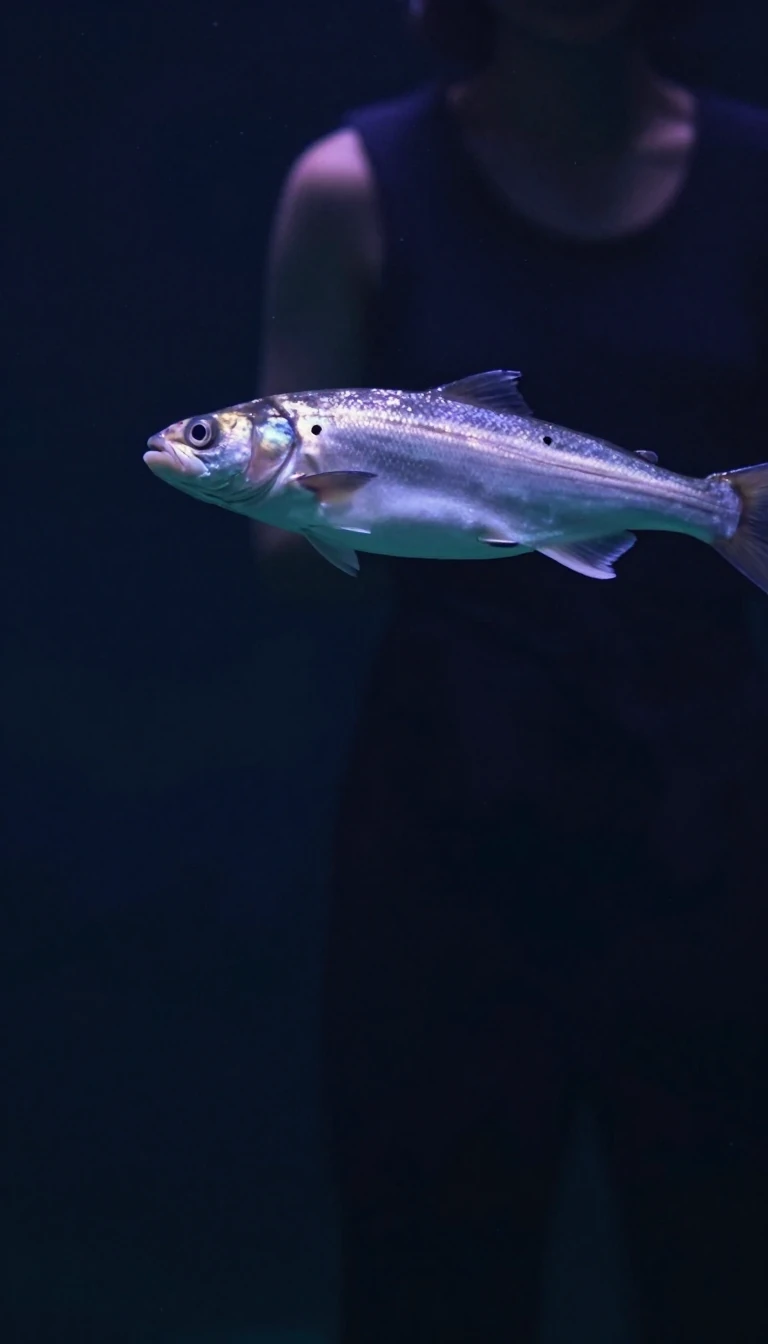
In short: The term tetra is not a scientific classification but a linguistic relic. Derived from the Greek word for four, it refers to the four unpaired fins found on many of these small freshwater species. Yet, the name is so loosely applied that it now encompasses fish that lack this defining feature.
The name tetra is a shortened version of Tetragonopterus, a genus that translates to 'square-finned' or 'four-sided-wing.' Historically, this label was applied to a wide array of small freshwater characiform fish found across Africa, Central, and South America. Today, however, the term has no formal taxonomic or phylogenetic standing. It is a colloquialism that persists largely due to the immense popularity of these fish in the home aquarium trade, where species like the neon tetra are prized for their vibrant colors and ease of care.
The anatomical basis for the name is the presence of four unpaired fins: the caudal, dorsal, anal, and the small, fleshy adipose fin positioned between the dorsal and tail fins. This adipose fin is often cited as the primary distinguishing feature of the group. However, biology rarely adheres to such neat definitions. Some species, such as the emperor tetra, lack this appendage entirely. Furthermore, ichthyologists remain uncertain about the adipose fin's purpose, as its small size and lack of structural rays or spines make it an unlikely tool for swimming.
Because the name is not a scientific category, it has become a catch-all in the hobbyist world. Many unrelated species are frequently labeled as tetras, leading to significant confusion. In some instances, the common name is applied to vastly different fish, such as the payara, which is sometimes marketed as the 'sabretooth' or 'vampire tetra.' This inconsistency is why advanced aquarists often bypass common names entirely, preferring scientific nomenclature to ensure they are identifying the correct species within the diverse families of Characidae, Alestidae, and their various allies.
Opens the Intellect+ feed with this card first. Swipe up for the next one.
Sources
- Summary by Intellect · source: Tetra
To cite this card, link to https://intellectplus.co.uk/app/nature-tetra.
How we source, check and correct cards: Editorial standards.
General information, not professional advice. Spotted an error? Flag the card or see corrections and complaints.
Intellect Plus is a visual educational discovery platform for exploring fascinating facts and ideas. Brain Food, Not Brain Rot. What is Intellect Plus?
Related
More in Vertebrates · More in Nature · Latest · A–Z · All topics
