The short-faced bear that grew into a giant and then vanished from South America
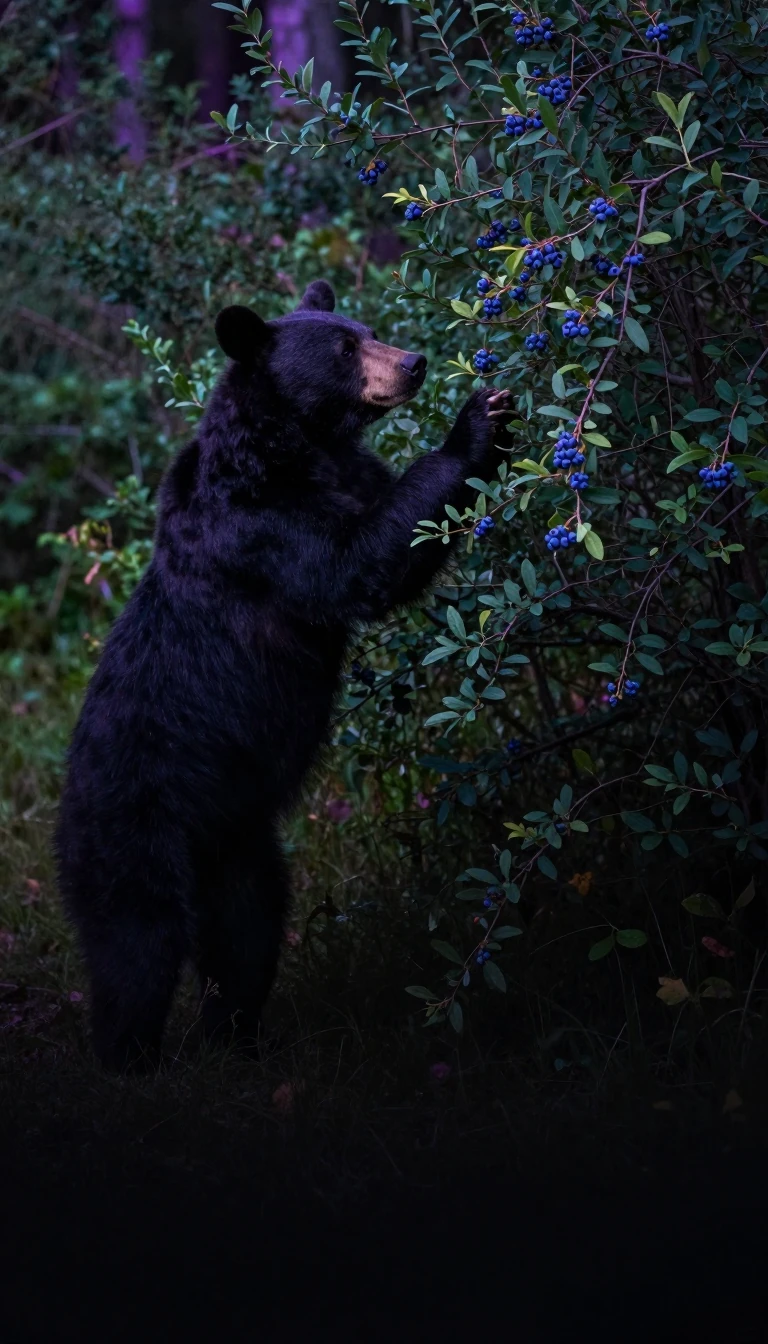
In short: Arctotherium, the bear beast of the Americas, evolved into one of the largest terrestrial carnivores in history before shrinking and eventually disappearing. These short-faced bears dominated the landscape for millions of years, adapting from apex predators to omnivorous scavengers as their environment and the competition around them shifted dramatically.
Arctotherium emerged during the Pliocene, likely migrating into South America as a land bridge formed between the continents. Early specimens appear in Venezuela and El Salvador around 3 million years ago. By the Early Pleistocene, the genus produced its most formidable member, Arctotherium angustidens. This massive creature, which reached heights of over 4 meters and weighed up to 1,749 kilograms, likely thrived due to an abundance of prey and a lack of large competing predators in its new environment.
The evolutionary trajectory of these bears shifted around 400,000 years ago. As the Middle Pleistocene progressed, the giant A. angustidens vanished from the fossil record, replaced by smaller, more diverse species like A. bonariense, A. tarijense, and A. wingei. This transition coincided with a more crowded predator guild, forcing the bears to adapt. While A. angustidens was a highly carnivorous hunter of mega-herbivores, its successors adopted more varied diets, incorporating fruits, vegetation, and opportunistic scavenging to survive in changing climates.
Despite their name, these bears did not actually have shorter faces than modern relatives; their appearance was an illusion created by deep snouts and short nasal bones. They were highly adaptable, with some species showing evidence of semi-arboreal movement and others utilizing caves for shelter. By the end of the Pleistocene, between 13,000 and 9,000 years ago, most of these species succumbed to the same extinction event that claimed many other large mammals across the Americas, leaving behind only the distant, smaller spectacled bear as a living relative.
The history of Arctotherium remains a subject of intense study, particularly regarding how they balanced their size and diet. While genetic evidence suggests they were closely related to the spectacled bear, their physical evolution was marked by distinct pressures. From their early days as massive, apex predators to their final, smaller forms, these bears reflect the complex ecological shifts that defined the prehistoric Americas.
Opens the Intellect+ feed with this card first. Swipe up for the next one.
Sources
- Summary by Intellect · source: Arctotherium
To cite this card, link to https://intellectplus.co.uk/app/nature-arctotherium.
How we source, check and correct cards: Editorial standards.
General information, not professional advice. Spotted an error? Flag the card or see corrections and complaints.
Intellect Plus is a visual educational discovery platform for exploring fascinating facts and ideas. Brain Food, Not Brain Rot. What is Intellect Plus?
Related
More in Physical geography · More in Nature · Latest · A–Z · All topics
