Why a sudden, violent shift in wind is more than just a gust
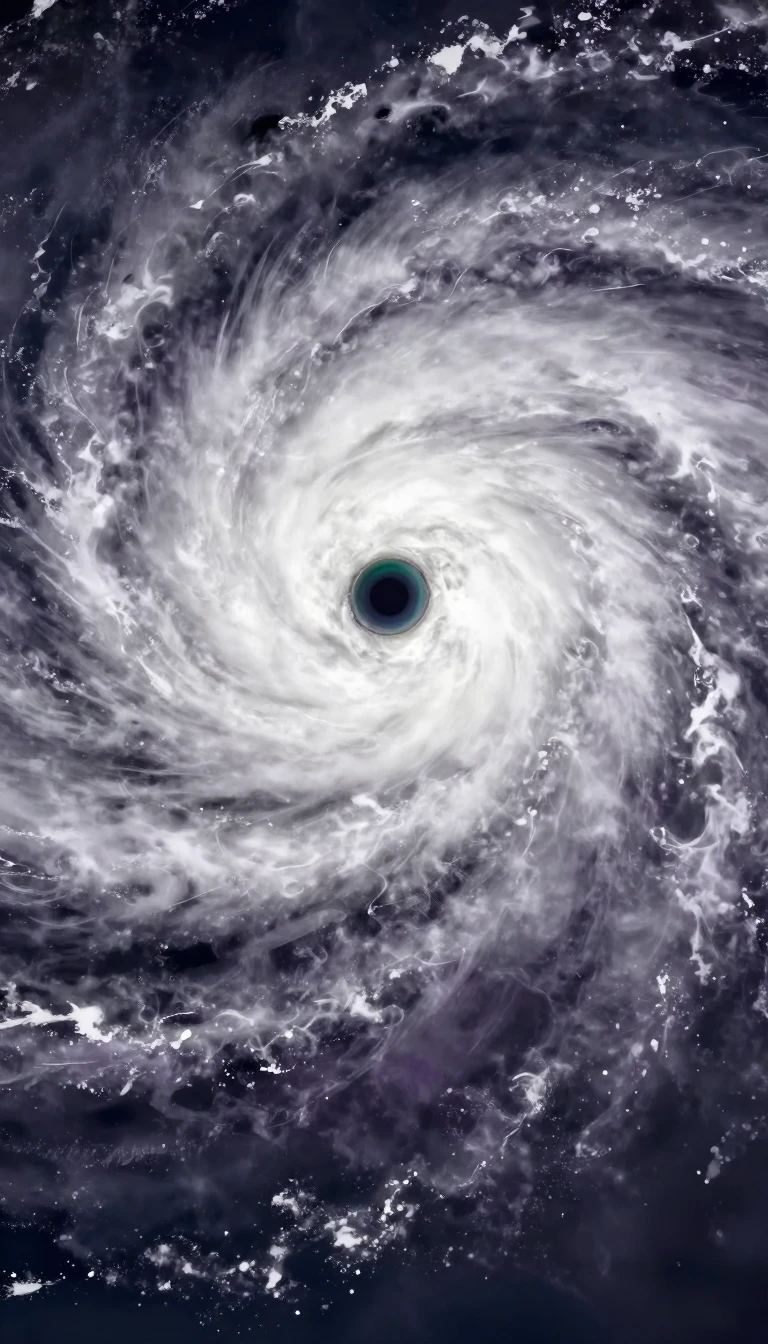
In short: While a gust lasts only seconds, a squall is a sustained, intense surge of wind lasting several minutes. Often arriving with heavy rain or thunder, these events are driven by sinking air that hits the ground and spreads outward, creating a powerful, localized atmospheric disturbance that can catch sailors off guard.
Meteorologically, a squall is defined by a specific threshold. According to the World Meteorological Organization, a wind event must increase by at least 8 metres per second—reaching a peak of at least 11 metres per second—and persist for at least one minute to earn the classification. These events are fundamentally driven by downdrafts; as cold air from the mid-atmosphere descends and strikes the surface, it creates a high-pressure zone that propagates outward, often resulting in damaging winds. This process is distinct from the low-pressure systems typically associated with mature thunderstorms.
Squalls frequently organize into lines, known as squall lines, which act as multi-cell thunderstorm complexes. These lines rely on significant low-level humidity, frontal boundaries, and vertical wind shear to maintain their structure. When these systems are particularly intense and feature multiple bow-shaped radar echoes, they are classified as derechos. The leading edge of such a system is often marked by a shelf cloud, which serves as a visual warning that high winds will likely arrive within 15 minutes. While they are common in summer, they can occur in winter, sometimes producing heavy snow or lightning over inland lakes.
The phenomenon is known by many names globally, reflecting its impact on local geography. In Australia, the 'southerly buster' provides a dramatic, cooling relief on hot days, while in the Pacific Northwest, mariners refer to strong katabatic outflows in fjords as 'squamish'. Other regional variations include the 'pampero' of the pampas, the 'bayamo' near Cuba, and the 'Sumatra squall' in Singapore, where gusts can reach 28 metres per second. Regardless of the name, the underlying mechanism remains a complex interplay of pressure perturbations and wind shear that can dictate weather patterns across entire regions.
Opens the Intellect+ feed with this card first. Swipe up for the next one.
Sources
- Summary by Intellect · source: Squall
To cite this card, link to https://intellectplus.co.uk/app/nature-squall.
How we source, check and correct cards: Editorial standards.
General information, not professional advice. Spotted an error? Flag the card or see corrections and complaints.
Intellect Plus is a visual educational discovery platform for exploring fascinating facts and ideas. Brain Food, Not Brain Rot. What is Intellect Plus?
Related
More in Earth science · More in Nature · Latest · A–Z · All topics
