Squamata: The Diverse Reptilian Order That Includes Snakes, Lizards, and Ancient Evolutionary Mysteries
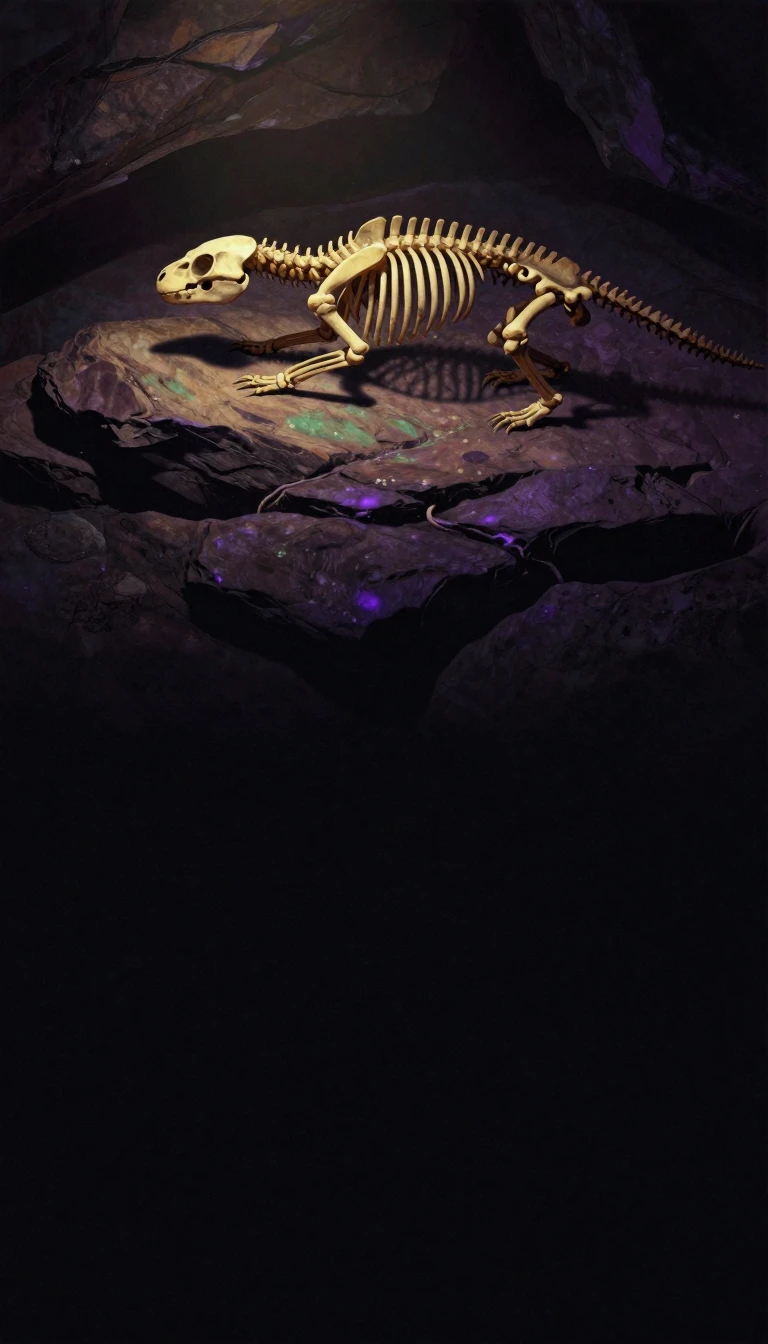
In short: With over 11,991 species, Squamata is the second-largest order of living vertebrates. Defined by their scaly skin and unique movable jaw bones, these reptiles range from tiny geckos to massive pythons. Recent genetic research is fundamentally reshaping our understanding of their complex evolutionary history, venomous origins, and surprising reproductive strategies.
Squamates are distinguished by their horny scales and a specialized skull structure featuring a movable quadrate bone. This adaptation allows for significant jaw flexibility, most famously enabling snakes to consume prey much larger than their own heads. While traditionally categorized into lizards and snakes, modern molecular studies reveal that the term 'lizard' describes a paraphyletic group, as snakes and amphisbaenians are nested within these lineages. The order is part of the superorder Lepidosauria, sharing a common ancestor with the tuatara.
The evolutionary timeline of squamates remains a subject of intense scientific debate. While fossils of their relatives appear in the Early Triassic, the oldest unambiguous squamate fossils date to the Middle Jurassic. Researchers have long debated the placement of early specimens like Megachirella and Cryptovaranoides, with studies frequently contesting whether these fossils represent true squamates or other lepidosaurian lineages. This uncertainty highlights the difficulty of mapping the early diversification of these reptiles, which was once thought to be a Jurassic and Cretaceous phenomenon.
Beyond their anatomy, squamates exhibit extraordinary reproductive diversity. They are the only reptile group containing oviparous, ovoviviparous, and viviparous species. Some, like the Komodo dragon, can reproduce asexually through parthenogenesis, while others, such as certain copperhead and cottonmouth snakes, utilize facultative parthenogenesis. Furthermore, genetic data suggests that venom evolved once in a common ancestor of the Toxicofera clade, which includes 60% of all squamates. This evolutionary arms race has produced a vast array of toxins, though only a small fraction of these species pose a lethal threat to humans.
Opens the Intellect+ feed with this card first. Swipe up for the next one.
Sources
- Summary by Intellect · source: Squamata
To cite this card, link to https://intellectplus.co.uk/app/nature-squamata.
How we source, check and correct cards: Editorial standards.
General information, not professional advice. Spotted an error? Flag the card or see corrections and complaints.
Intellect Plus is a visual educational discovery platform for exploring fascinating facts and ideas. Brain Food, Not Brain Rot. What is Intellect Plus?
Related
More in Organisms · More in Nature · Latest · A–Z · All topics
