Why the Earth's crust ripples like a rug when continents collide
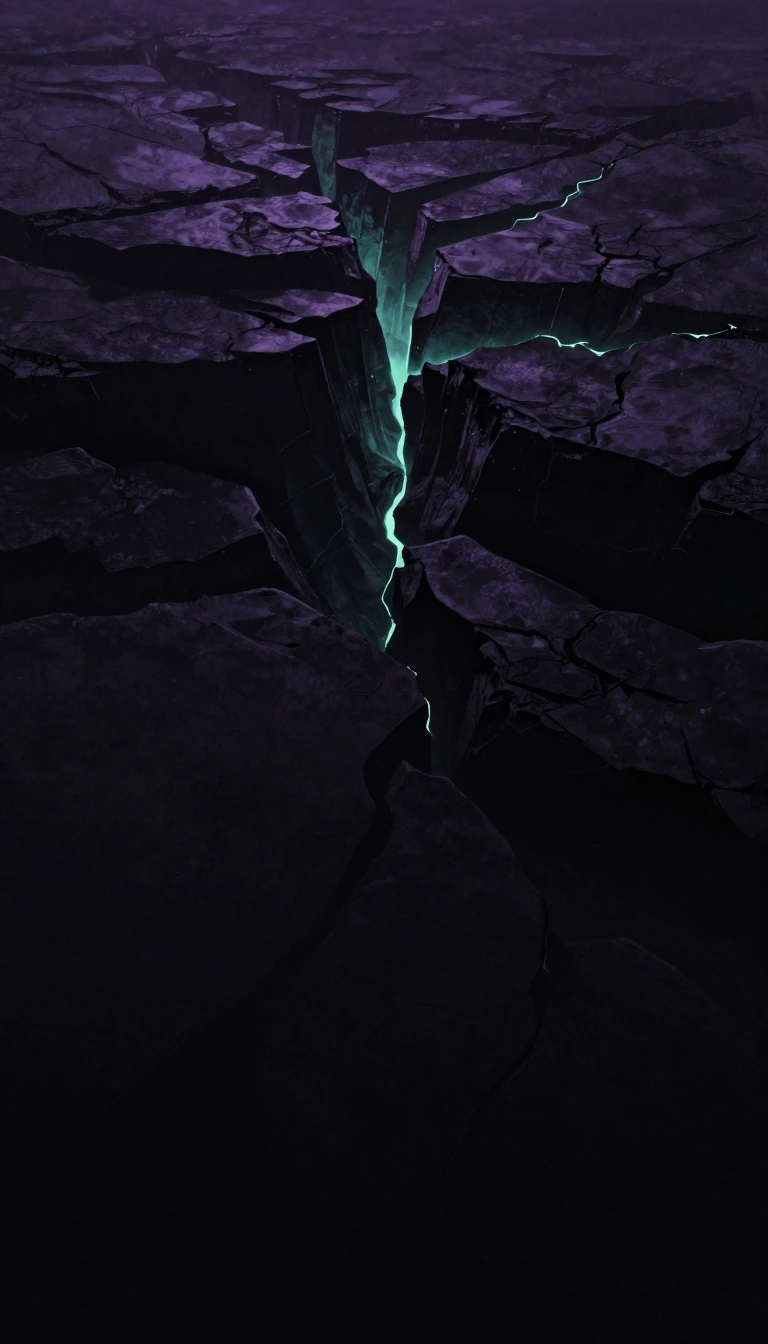
In short: When tectonic plates collide, the Earth does not just break; it bends. Synclines are the vast, trough-like folds in stratified rock that form when flat layers are warped by immense compressional forces. They are the concave counterparts to anticlines, creating the rhythmic, wave-like architecture of our planet's most iconic mountain ranges.
At its simplest, a syncline is a geological fold that is concave upward, characterized by rock layers that dip inward from both sides toward a central trough. These structures are fundamentally linked to the process of orogenic mountain building. When stratified rocks, which are originally deposited in flat, horizontal layers, encounter the intense compressional forces of shifting tectonic plates, they buckle and undulate. This creates a repeating pattern of folds, with synclines alternating alongside their convex counterparts, the anticlines.
The scale of these formations can be immense. A classic example is the Valley and Ridge province of Pennsylvania, which emerged from the collision between the African and North American plates near the end of Paleozoic time, approximately 240 million years ago. In such regions, the crust is not merely faulted but folded into complex, regularly spaced waves. Geologists also identify larger, more complex structures known as synclinoria, which are massive synclines that have smaller, minor folds superimposed upon their larger, overarching shape.
While the term 'syncline' describes the geometry of the fold, the identification of these features in the field requires careful analysis of rock age. In a standard syncline, the youngest rock layers are found closest to the center or hinge of the fold, with the sequence of strata repeating in reverse order on the opposite side. However, geology is rarely straightforward; in cases where strata have been overturned by extreme pressure, a syncline can occasionally point upward, creating an antiformal syncline. Understanding these mechanisms is essential for interpreting the history of the Earth's crust, moving beyond the outdated concept of 'geosynclines' to a modern framework defined by the dynamic, shifting nature of plate tectonics.
Opens the Intellect+ feed with this card first. Swipe up for the next one.
Sources
- Summary by Intellect · source: Syncline | geology | Britannica
- Also: Syncline
To cite this card, link to https://intellectplus.co.uk/app/nature-syncline.
How we source, check and correct cards: Editorial standards.
General information, not professional advice. Spotted an error? Flag the card or see corrections and complaints.
Intellect Plus is a visual educational discovery platform for exploring fascinating facts and ideas. Brain Food, Not Brain Rot. What is Intellect Plus?
Related
More in Geology · More in Nature · Latest · A–Z · All topics
