How massive tectonic shifts sculpt the Earth into dramatic mountains and deep valleys
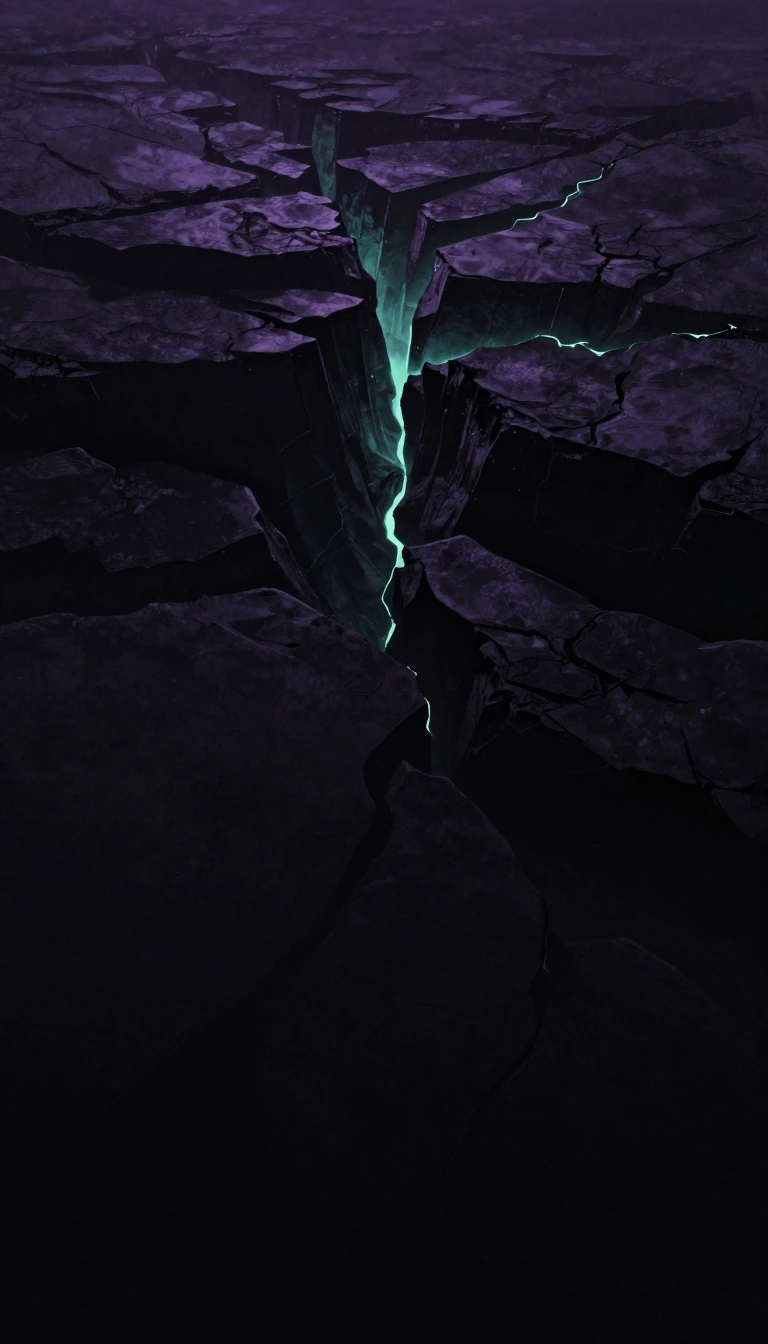
In short: Beneath our feet, the Earth's crust is not a solid shell but a mosaic of massive rock blocks. When tectonic forces pull these blocks apart or force them upward, they create the world's most striking landscapes, from the towering peaks of the Sierra Nevada to the depths of Death Valley.
Fault blocks are colossal segments of bedrock, sometimes spanning hundreds of kilometres, defined by their uniform composition. These structures emerge from the intense stresses within the Earth's crust, often associated with the movement of tectonic plates. While horizontal motion along strike-slip faults is common, it is the vertical displacement of these blocks that creates the most dramatic topographical features, including mountains, ridges, and valleys.
The process is primarily driven by extensional tectonics, where the crust is stretched and rifted. This movement produces two distinct mountain types: uplifted horsts and tilted blocks. Horsts are elevated sections flanked by faults, often resulting in steep escarpments on both sides. In contrast, tilted blocks feature one gentle slope and one abrupt, steep scarp. When the land between these elevated blocks subsides, it forms a graben, a depression that can evolve into a rift valley. Examples of this horst and graben terrain are found globally, such as the Upper Rhine valley in Europe, situated between the Vosges mountains and the Black Forest.
The scale of these formations varies significantly. Large crustal blocks, sometimes representing the full thickness of the lithosphere, are known as microplates, while continent-sized segments are classified as microcontinents or continental ribbons. In the United States, the Basin and Range region is a classic example of tilted block mountains, while the Sierra Nevada and the Tetons showcase blocks tilted to create steep eastern slopes. Whether forming isolated ranges or expansive rift systems like the East African Rift, fault blocks remain a fundamental mechanism for shaping the planet's surface.
The complexity of these systems is evident in regions like Bulgaria, where the Rila-Rhodope Massif contains well-defined horsts such as the linear Belasitsa and the vaulted Rila mountain. Similarly, the Narmada River basin in India serves as a notable graben, lying between the Vindhya and Satpura horsts. These landforms demonstrate how the internal mechanics of the crust translate into the diverse geography we observe today.
Opens the Intellect+ feed with this card first. Swipe up for the next one.
Sources
- Summary by Intellect · source: Fault block
- Also: Block-fault mountain | Britannica
To cite this card, link to https://intellectplus.co.uk/app/nature-fault-block.
How we source, check and correct cards: Editorial standards.
General information, not professional advice. Spotted an error? Flag the card or see corrections and complaints.
Intellect Plus is a visual educational discovery platform for exploring fascinating facts and ideas. Brain Food, Not Brain Rot. What is Intellect Plus?
Related
More in Geomorphology · More in Nature · Latest · A–Z · All topics
