Why mountains rise and fall: the hidden physics of Earth's shifting crust
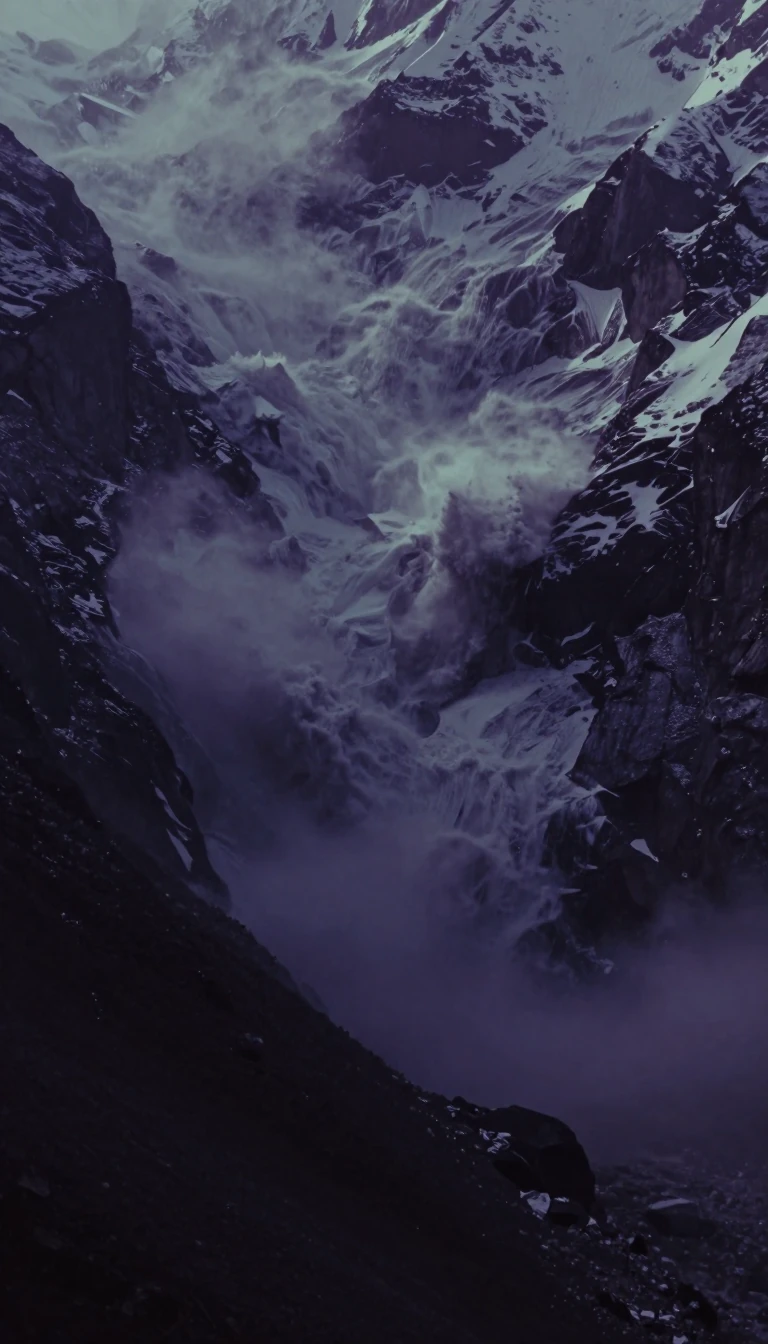
In short: Tectonic uplift is more than just mountains rising; it is a complex dance between crustal thickening, gravity, and erosion. While we often view the landscape as static, the Earth's surface is constantly being displaced by deep-seated forces, creating everything from towering Himalayan peaks to uplifted coral islands in the Pacific.
At its core, tectonic uplift is the displacement of Earth's surface against the pull of gravity. This process is primarily driven by plate tectonics, specifically through crustal thickening, where continental plates collide and stack like thrust sheets. The collision between the Indian and Eurasian plates serves as a prime example, having produced the Himalayas and surrounding ranges like the Tian Shan and Hindu Kush. However, this vertical growth has a physical limit; gravity eventually prevents further elevation, and the process of nappe stacking is constrained by the structural integrity of the crust.
The relationship between surface height and crustal mass is governed by isostasy, where the lithosphere bends under the weight of mountains or ice. Interestingly, surface uplift is not a direct reflection of crustal thickening. Due to isostatic sinking, the actual rise in surface elevation is often only about one-sixth of the total crustal thickening. Furthermore, erosion plays a paradoxical role: as mass is removed from the surface, the crust rebounds upward to compensate. For instance, after the melting of ice sheets 10,000 years ago, regions like Fennoscandia and the Great Lakes continue to experience gradual post-glacial rebound.
Geologists distinguish between three types of displacement: surface uplift, the uplift of rocks, and exhumation. These are linked by the equation where surface uplift equals the uplift of rock minus exhumation. Measuring these rates is notoriously difficult, as it requires accounting for erosion, changes in crustal density, and the lag time of isostatic responses. Scientists often rely on paleoclimatic restorations or geothermobarometry—analyzing the pressure and temperature history of rocks—to infer how much material has been removed over time. Even in seemingly stable areas, such as the Ozark Plateau or the coral islets of Nauru, the movement of tectonic plates continues to reshape the topography of our planet.
Opens the Intellect+ feed with this card first. Swipe up for the next one.
Sources
- Summary by Intellect · source: Tectonic uplift
To cite this card, link to https://intellectplus.co.uk/app/nature-tectonic-uplift.
How we source, check and correct cards: Editorial standards.
General information, not professional advice. Spotted an error? Flag the card or see corrections and complaints.
Intellect Plus is a visual educational discovery platform for exploring fascinating facts and ideas. Brain Food, Not Brain Rot. What is Intellect Plus?
Related
More in Geology · More in Nature · Latest · A–Z · All topics
